What Are Flour Mites? A Complete Guide
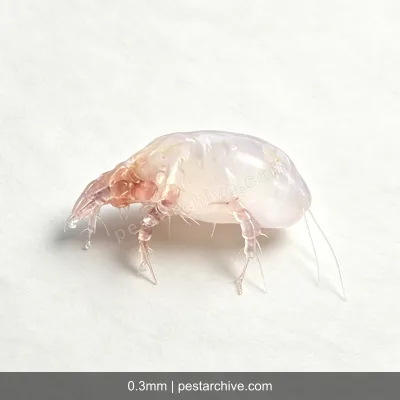
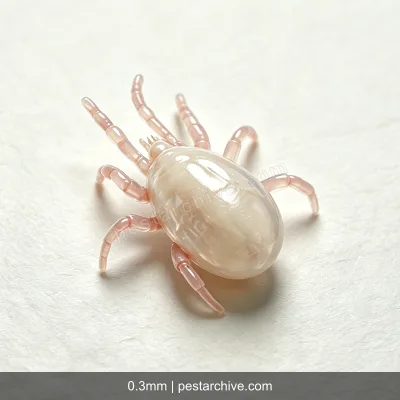
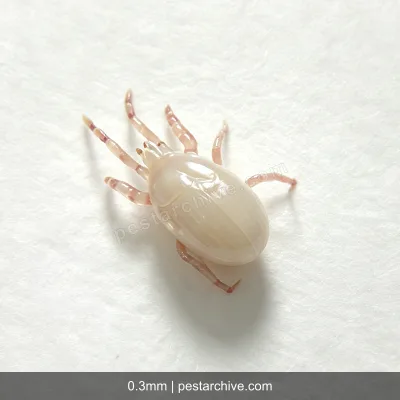
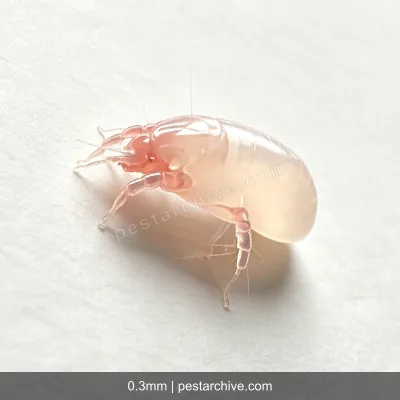
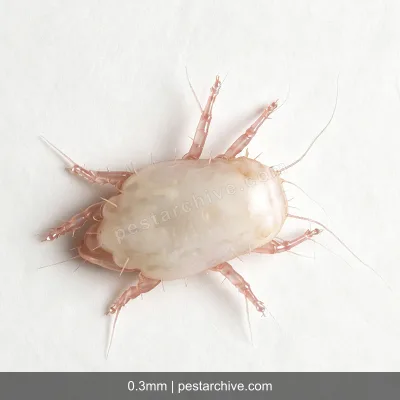
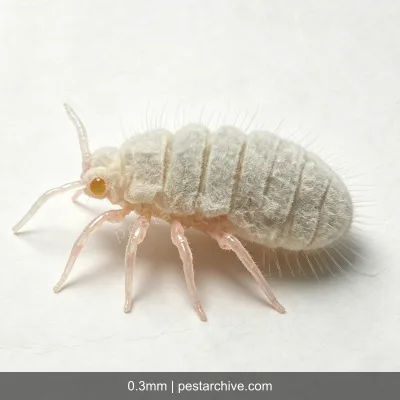
What Are Flour Mites?
Flour mites are a broad group of mites that live in stored grains and food products. Understanding their basic biology helps with effective control.
Flour Mite Characteristics
- Size: Extremely small, body length only 0.3-0.5mm — about the size of a pin tip.
- Color: Grayish-white or pale white, semi-transparent.
- Appearance: Round or oval body with four pairs of short legs. Against a light background, they look like specks of dust slowly moving.
- Classification: They are mites (not insects) — part of the same broad group that includes dust mites and chiggers.
Behavior and Habits
- Diet: Feed on grains, flour, bean powder, dried fruit, dried herbs, pet food, and more.
- Reproduction: Reproduce extremely fast in warm, humid conditions (at 25-30°C and humidity above 60%, they can complete a generation in 1-2 weeks).
- Life cycle: Flour mites go through four stages — egg → larva → nymph → adult. A single female can lay 200-300 eggs. This is why by the time you notice them, there's usually already a large population.
- Movement: Slow-moving, avoid light. Often cluster on the surface of food powder or in cracks and crevices.
- Distribution: Widespread in nature, but only erupt into large indoor populations when conditions are right.
How Flour Mites Differ from Other Pests
- Much smaller than grain weevils and bean weevils. To the naked eye, they look like moving powder.
- Rounder and whiter than booklice.
- Don't jump (unlike springtails). Only crawl slowly.
What Flour Mites Tell You
Finding flour mites in your home means:
- There's opened and unsealed food that's been sitting too long.
- The storage environment is humid (above 60%).
- You need to inspect all cabinets and food seals right away.
Dealing with flour mites isn't difficult. The key is finding and discarding contaminated food, controlling humidity, and storing new food in airtight containers.