How effective is food-grade diatomaceous earth against flour mites?
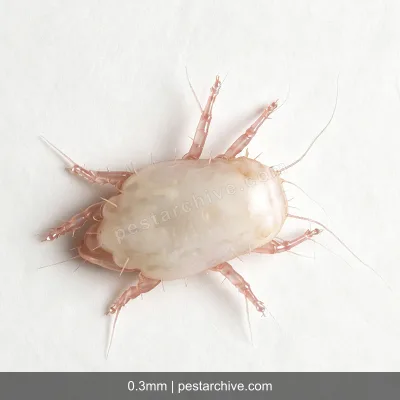
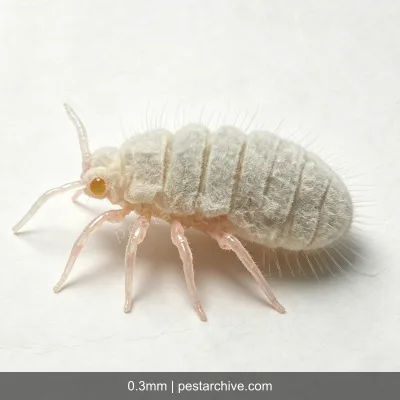
How effective is food-grade diatomaceous earth against flour mites?
Diatomaceous earth has good contact-killing effects on flour mites and is suitable as an auxiliary measure for environmental control. Here are specific usage methods and precautions:
Position of diatomaceous earth in flour mite control
Flour mite control involves three steps: remove contaminated food → reduce ambient humidity → apply environmental insecticides. Diatomaceous earth belongs to the third step—a supplementary measure after the first two are completed. Spraying alone without removing the source will lead to a quick resurgence of mites.
Suitable application areas
- Inner corners of cabinets, shelf seams — routes mites must traverse when spreading from contaminated food.
- Baseboards and wall corners — main routes for mites crawling along the floor.
- Floor edges of storage rooms — especially near grain storage areas.
- Gaps between refrigerator and cabinets — hygiene dead zones where food debris accumulates.
- Bottom of kitchen base cabinets — gaps where pipes pass through walls.
Application method
- First, remove or cover all food, utensils, and cookware.
- Thoroughly clean the target areas—vacuum and wipe clean.
- Evenly dust the dry surfaces with diatomaceous earth from a distance of 20-30 cm.
- Allow the powder to dry completely (about 1-2 hours).
- The powder forms a physical protective layer; crawling mites die upon contact.
Precautions
- Do not apply directly to food, utensils, or countertops.
- Close doors and windows during application; ventilate for 1 hour after spraying before re-entering.
- Once dry, it is safe for humans and pets.
- Diatomaceous earth is a contact killer, not a repellent; mites will not avoid it.
- The more thorough the cleaning before application, the better the efficacy.
- Duration of effectiveness: The dry protective layer lasts 2-4 weeks. It is recommended to reapply monthly for 2-3 consecutive months to achieve basic control.