Flour Mites or Dust Mites? How to Tell the Difference
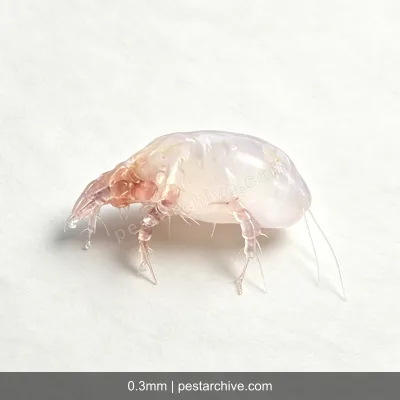
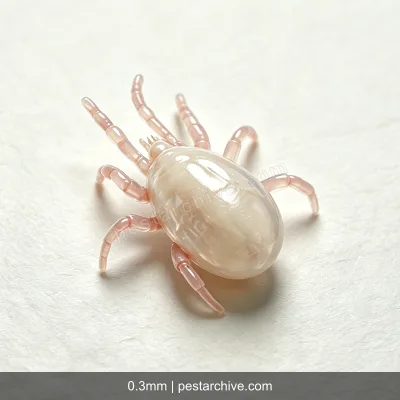
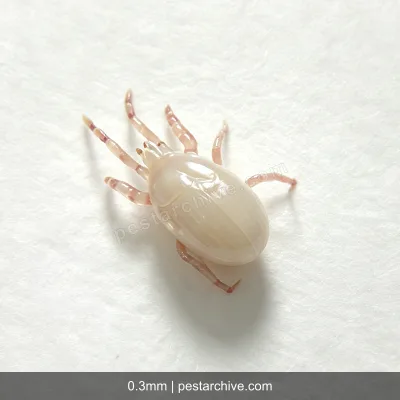
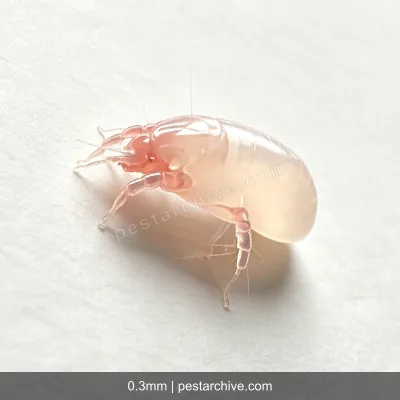
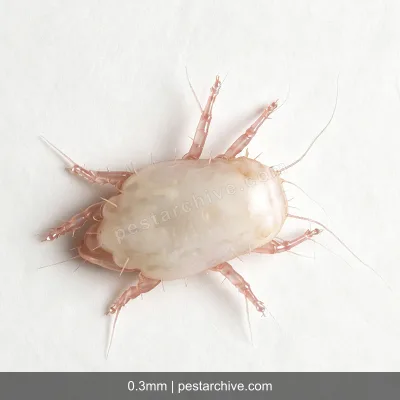
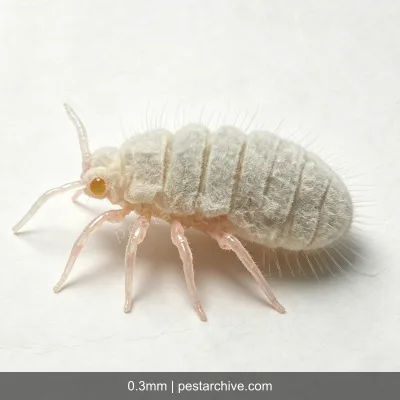
How to Tell Flour Mites and Dust Mites Apart?
Although both are called "mites," flour mites and dust mites have completely different habitats and behaviors. Here's a detailed comparison:
Different Habitats
- Flour mites: Mainly in the kitchen, pantry, and food storage areas. Live in rice, flour, grains, dried fruit, and pet food.
- Dust mites: Mainly in the bedroom, living room, and anywhere with fabric and human activity. Live in mattresses, pillows, bedding, fabric sofas, and carpets.
Different Diets
- Flour mites: Eat grains, flour, dried fruit, pet food, and other plant-based or processed foods.
- Dust mites: Eat shed human skin flakes and organic matter in dust.
Different Visibility
- Flour mites: Body length about 0.3-0.5mm. On a light-colored surface, you can see grayish-white tiny dots slowly crawling if you look closely. When clustered on grain surfaces, they look like a layer of grayish-white powder.
- Dust mites: Body length about 0.2-0.3mm, semi-transparent. Almost invisible to the naked eye. You can only see them under a microscope or with very careful observation under bright light.
Different Health Effects
- Flour mites: Contact with skin causes mite dermatitis (rash, itching). Accidental ingestion may cause mild stomach upset.
- Dust mites: Major indoor allergen causing allergic rhinitis, asthma, and atopic dermatitis. The health impact is more significant.
Different Control Methods
- Flour mites: Focus on sealing food, cleaning up food debris, and lowering kitchen humidity.
- Dust mites: Focus on washing bedding in hot water, controlling bedroom humidity, and vacuuming.
Different Reproduction Rates
- Flour mites: At 25-30°C (77-86°F) and humidity above 70%, they reproduce extremely fast, completing a full generation in just 2-3 weeks. A single grain of rice can host hundreds.
- Dust mites: Reproduce relatively slower, completing a generation in about 3-4 weeks. They rely mainly on accumulated skin flakes to sustain their population.
Different Movement Patterns
- Flour mites: They crawl on food surfaces and countertops. You can see grayish-white dots moving with the naked eye. They speed up when disturbed.
- Dust mites: They almost never leave the depths of the mattress. They don't crawl on surfaces. Their activity is confined inside mattresses, pillows, and bedding — which is why you never see them.
Different Seasonal Patterns
- Flour mites: Most likely to erupt during humid spring and early summer months. Their numbers drop sharply once humidity falls below 50%.
- Dust mites: Present year-round, but symptoms may actually worsen in fall and winter when windows stay closed, ventilation is poor, and indoor humidity rises.
One-Sentence Summary
"White specks in your kitchen grains? Flour mites. Invisible mites in your bedding? Dust mites. Fix the food for one, fix the bed for the other."