Where Do Bed Bugs Hide in a Room?
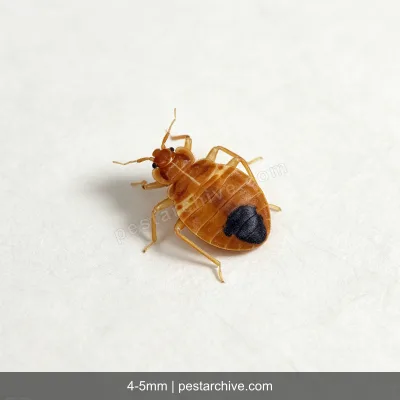
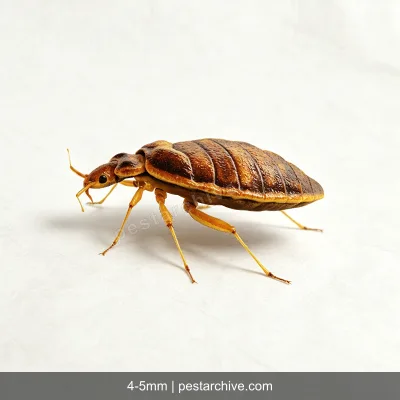
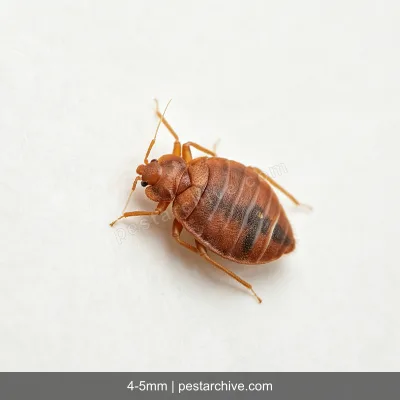
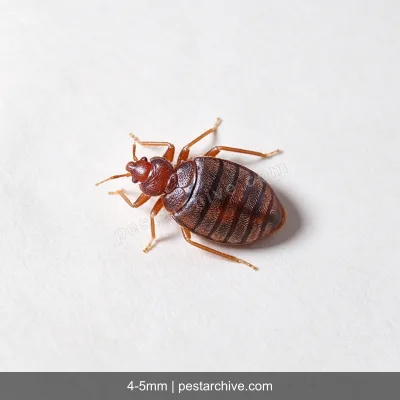
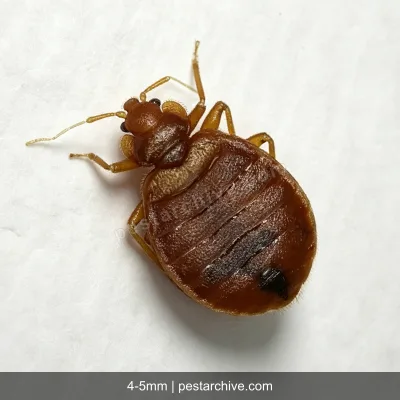
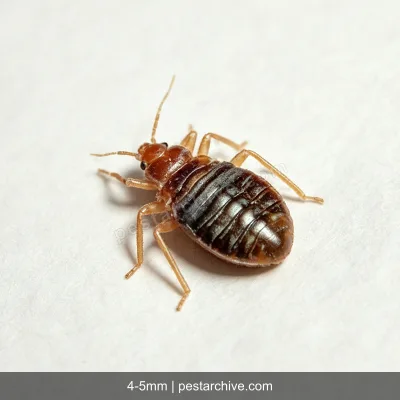
Real scene: You wake up every morning with several new red, itchy bumps on your arms and back, arranged in a line. You search the sheets and see nothing. You lift the mattress and finally find a few flat brown bugs in the seam folds, along with clusters of dark brown specks. Your stomach turns. This is the bed bug nest. But the mattress seam is just one of their hiding spots. They're spread out in multiple places around the room.
Quick answer: Bed bugs are extremely flat, only about 2 mm thick. They can squeeze into almost any narrow gap. Key hiding spots in priority order: mattress seams and edges, wooden joints and screw holes of the bed frame, the back and bottom of the headboard, gaps between baseboards and the floor, and behind wall outlets and switch plates. When inspecting, use a flashlight at an angle to look inside gaps. Dark fecal spots and shed skins are solid evidence of bed bug activity.
Why bed bugs are hard to find
Bed bugs are nocturnal blood-feeding insects. They don't stay on open surfaces during the day. They squeeze deep into extremely narrow gaps. A bed bug that has just fed and swelled to two to three times its normal size can still squeeze back into its hiding gap. Bed bugs also secrete aggregation pheromones that attract others to the same spot. So they're not randomly distributed around the room. They're concentrated in a few fixed aggregation sites. Finding these sites is more effective than spraying the entire room.
Bed area (core hiding spots)
- Mattress seams and edges: This is the most important hiding spot. Pull apart each seam with your fingers and shine a flashlight inside. Dark specks (feces), translucent shed skins, and white pinhead-sized eggs are all signs.
- Behind the mattress label: The folded label creates a narrow, hidden space that's often overlooked.
- Bed frame wood joints and screw holes: Especially on older wooden beds. The tiny gaps between tenons and mortises are ideal cluster spaces.
- The back and bottom edge of the headboard: Headboards are usually against the wall. The back is dark and undisturbed, a classic hiding spot. Move the headboard away from the wall to check the back.
- Between bed slats and the bed frame: Each joint where a slat meets the frame is a potential hiding spot.
High-frequency spots beyond the bed
- Gaps between baseboards and the floor: Bed bugs crawl down from the bed and move along baseboards. These gaps are their alternate daytime hiding spots.
- Behind wall outlets and switch plates: Unscrew the plates and check behind them. These are exit points for bed bugs moving inside wall voids.
- Behind picture frames, clocks, and wall decorations: Anything hanging on the wall near the bed can have bed bugs hiding behind it.
- Inside the gaps and back of bedside table drawers: The closest furniture to the bed is the first stop after they spread.
- Curtain tracks and curtain folds: Especially curtains on the side closest to the bed.
Inspection methods
- Shine a flashlight at an angle: Light from the side makes fecal spots more visible in gaps. Shining straight down makes them harder to see.
- Look for three pieces of evidence: dark fecal spots (about the size of a pen dot), translucent shed skins (light brown, hollow, intact shells), and white pinhead-sized eggs and egg shells.
- Smell: In areas with large aggregations, there may be a sweet, musty odor from bed bug gland secretions. If you smell it, the population is already significant.
First step after finding them
After confirming bed bugs, the first step isn't spraying. It's physical removal with a vacuum. Vacuum up all visible adults, nymphs, eggs, and feces at the aggregation sites. Immediately seal and discard the vacuum bag afterward. Physical removal can immediately reduce the population by 30% to 50%, making subsequent chemical treatment less stressful.
Common mistakes
- Mistake 1: Checking only the mattress is enough. Fact: Bed bugs spread to multiple spots around the bed, including baseboards, bedside tables, behind picture frames, and inside outlets. Checking only the mattress misses more than half the hiding spots.
- Mistake 2: No live bugs means no bed bugs. Fact: Many people don't see a live bug until weeks after being bitten. The key is to look for indirect evidence like fecal spots and shed skins, not to wait until you see a live bug.
- Mistake 3: Bed bugs are caused by poor hygiene. Fact: Bed bugs have nothing to do with cleanliness. They're about whether they had a chance to hitchhike into your room. A five-star hotel room can have bed bugs too, because they come in with luggage.
When you absolutely need a pro
If bed bugs have spread to two or more rooms, or if you still have new bites every night after 6 weeks and 4 rounds of self-treatment, the population is beyond what individuals can control. Professionals have heat treatment equipment (heating the entire room above 50 degrees C) and professional-grade residual sprays that go far deeper than home remedies. When choosing a company, insist on an on-site inspection rather than a phone quote. Reputable companies will inspect the mattress seams in person before giving a price.
* * * 25. How to Tell Bed Bug Bites from Mite Bites