How to eliminate bed bugs from the home?
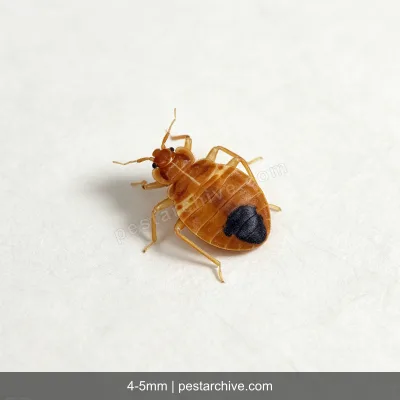
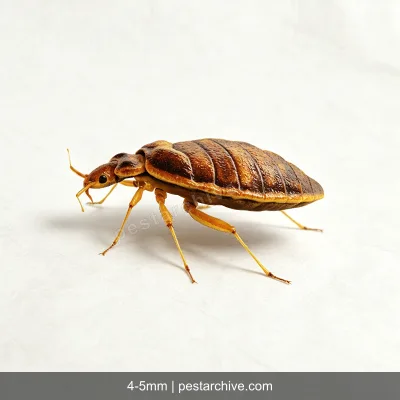
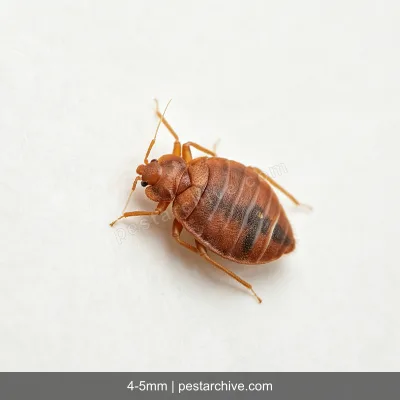
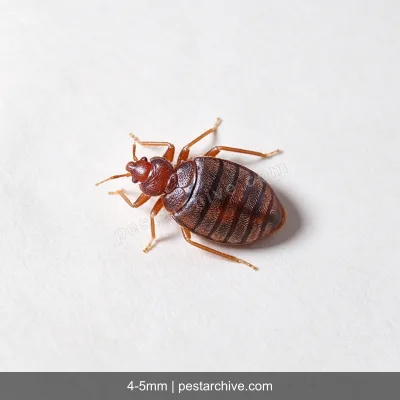
The short answer: Bed bugs are one of the hardest pests to DIY, they hide in tiny crevices, and their eggs are resistant to sprays. You must combine heat (60°C+ washing/steaming), vacuuming, residual insecticide, and physical barriers. Expect 3–4 treatments over 6 weeks. If the infestation is heavy, call a professional, they use heat chambers or specialised fumigation.
- Confirm it’s bed bugs
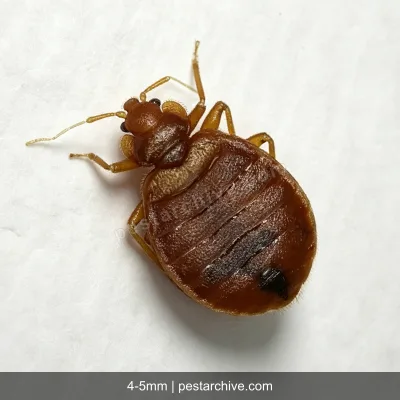
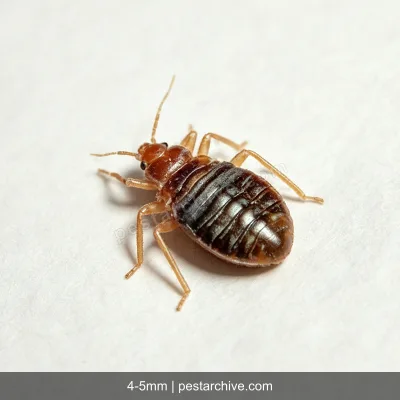
- Adults are 4–5 mm, flat, oval, reddish-brown, with a distinctive “apple seed” shape.
- You’ll find them in mattress seams, headboard cracks, behind picture frames, and in furniture joints.
- Look for dark faecal spots (small black dots) and shed skins, these are telltale signs.
- Bites often appear in lines or clusters, usually on exposed skin during sleep.
- Where do they come from?
- They hitchhike on luggage, second-hand furniture, clothes, and even from public transport or hotels.
- They spread between apartments through wall voids, electrical conduits, and along pipes.
- A clean home doesn’t repel them, they only need blood, not dirt.
- Step 1: treat bedding and fabrics
- Remove all sheets, duvet covers, pillowcases, and wash at 60°C with detergent.
- Tumble dry on high heat for more than 30 minutes, heat kills all stages.
- For non-washable items (stuffed toys, delicate fabrics), seal them in plastic bags and place in direct sunlight on a hot day, or freeze at -18°C for 72 hours.
- Handle fabrics gently to avoid dislodging eggs, place them directly in the washing machine, not carried through the room.
- Step 2: vacuum thoroughly
- Vacuum all mattress seams, edges, label folds, and zipper areas.
- Vacuum the bed frame, headboard, baseboards, and floor cracks, bed bugs hide there during the day.
- Also vacuum sofa crevices and under furniture.
- Immediately seal and discard the vacuum bag outdoors, do not leave it in indoor bins.
- Step 3: apply dinotefuran spray
- Spray dinotefuran-containing household insecticide on bed slats, mattress edges, corners, nightstand crevices, and along baseboards.
- Use the straw nozzle to inject into cracks and crevices, this ensures the product reaches their hiding spots.
- Spray until slightly damp, not dripping.
- Once dry, the film kills bed bugs that crawl over it, residual effect lasts 2–4 weeks.
- Step 4: physical barriers
- Encase the mattress and box spring in a bed-bug-proof cover (zip-closed, with a tight seal). This traps any bugs inside (they’ll starve) and prevents new ones from entering from the outside.
- Place interceptor cups under bed legs, they trap bugs trying to climb up. Alternatively, apply a ring of petroleum jelly around legs.
- Step 5: repeat treatments
- Bed bug eggs have thick shells that resist insecticides, they hatch 7–14 days later.
- You must re-apply spray at 7-day intervals for at least 3 rounds.
- Between rounds, vacuum again to remove eggs and dead bugs.
- Continue monitoring for 6 weeks after the last treatment, no new signs means success.
- When to call a professional
- If the infestation is in multiple rooms, or you see bed bugs on walls/ceilings (heavy population).
- If after 3 DIY rounds you still find live bugs.
- Professionals use whole-room heat treatments (raising temperature to 50°C for several hours) or targeted insecticide applications that are more effective and safer.
Common mistakes
- ❌ Spraying once and waiting, eggs survive, so you’ll see new bugs.
- ❌ Not washing fabrics, heat is the most reliable killer.
- ❌ Ignoring headboards and wall hangings, they hide behind them.
Mini FAQ
Q: Can I get rid of bed bugs with just a vacuum?
A: No, vacuuming removes visible bugs but not eggs; you need heat and insecticide.
Q: Are bed bug bites dangerous?
A: They are itchy and can cause secondary infection from scratching, but they don’t transmit diseases.
Q: How long does it take to eliminate them completely?
A: With consistent treatment, 4–6 weeks. In severe cases, professional help can resolve in 1–2 visits.
Your bed bug action list
- Wash all bedding at ≥60°C.
- Vacuum all crevices, seal bag outdoors.
- Apply dinotefuran spray to mattress edges, bed frame, baseboards.
- Install mattress encasements and interceptor cups.
- Repeat spray every 7 days for 3 rounds.
- Monitor for 6 weeks.
- If no success, call a professional.