What to do if bed bugs are found on the mattress?
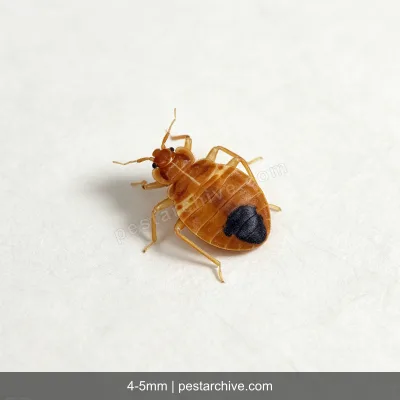
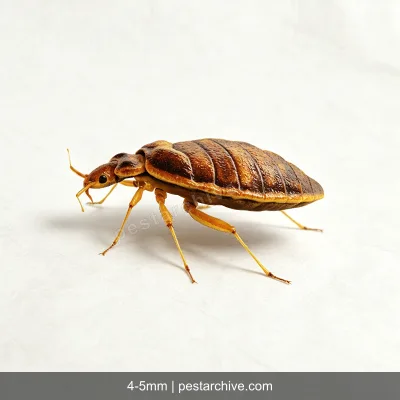
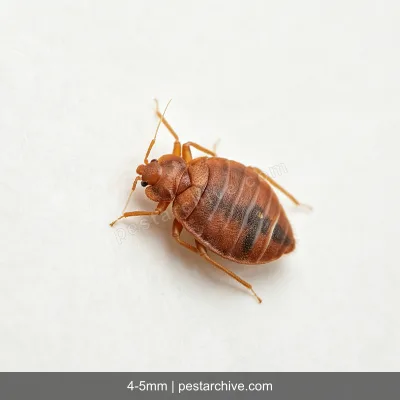
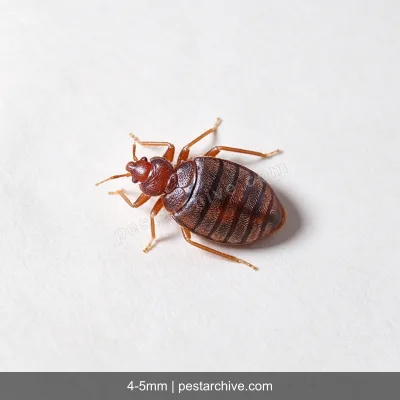
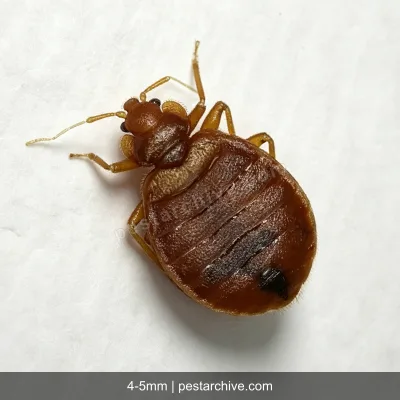
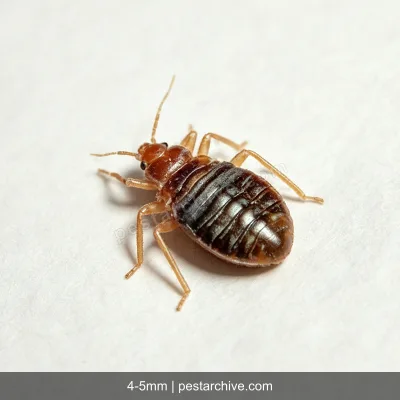
What to do if bed bugs are found on the mattress?
The mattress is the core activity area for bed bugs. Immediate action is required. Bed bugs hide deep in mattress seams during the day and emerge at night to feed. Incomplete treatment leads to recurring infestations.
Emergency treatment steps
- Remove fabrics — take off sheets, duvet covers, and pillowcases (handle gently to avoid shaking off eggs). Wash in water above 60°C with laundry detergent; tumble dry on high heat for more than 30 minutes.
- Thorough vacuuming — use a vacuum cleaner with a narrow attachment to carefully vacuum all mattress seams, edges, labels, and zipper areas. Move slowly and steadily; vibration flushes bed bugs out of hiding. Immediately seal and discard the vacuum bag outdoors.
- Spray insecticide — spray dinotefuran-containing household insecticide along mattress seams, bed frame joints, headboard crevices, and the floor area around bed legs (their climbing route). Once dry, it forms an invisible film; bed bugs die upon contact. Residual effect lasts 2-4 weeks.
- Encapsulate the mattress — after treatment, cover the mattress with a bed bug-proof encasement to fully seal it. Any bed bugs remaining inside are trapped and cannot feed; new ones cannot enter.
Precautions
- Dinotefuran residue is colorless and odorless once dry and does not affect sleep.
- Spray only mattress seams and bed frame crevices, not the sheets.
- Ventilate the room during spraying; wait for the spray to dry before making the bed.
What if the infestation is severe?
If the mattress is old and heavily infested, consider:
- Replacing the mattress (spray the old mattress before disposal to prevent spread).
- Or using a bed bug-proof encasement to seal the old mattress long-term.
- Also treat other bedroom areas: baseboards, floor cracks, nightstands, and wardrobes.
Follow-up observation
Continue monitoring for 1-2 weeks after treatment for signs of new activity (black fecal spots, blood stains, live bugs). If found, reapply treatment. A second application at 7-14 days is essential because one treatment cannot kill eggs; newly hatched nymphs must be targeted by the second application.