Can dinotefuran-containing household insecticide spray control cottony cushion scales?
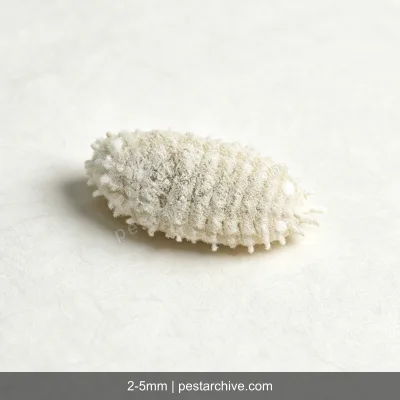
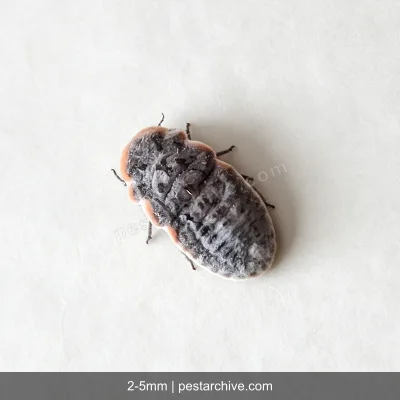
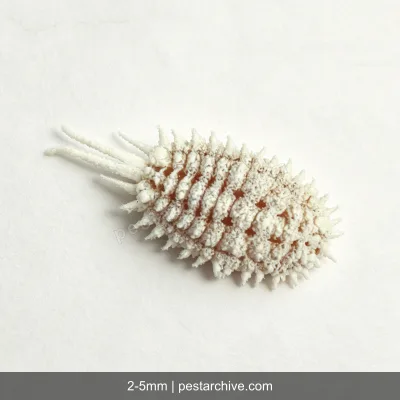
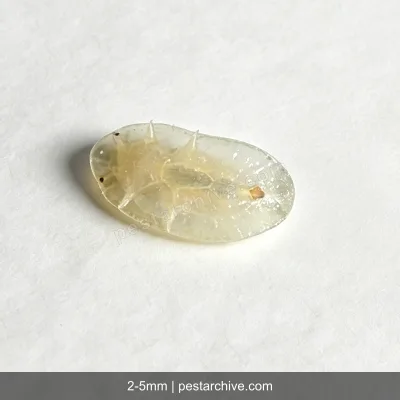
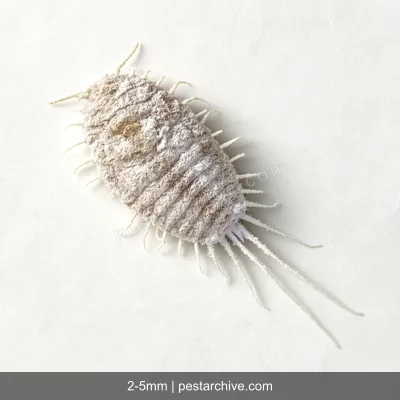
Can dinotefuran-containing household insecticide spray control cottony cushion scales? Sprays containing dinotefuran are effective against cottony cushion scales, but timing and method are critical. Using the right approach maximizes effectiveness.
Best spray timing
- Peak nymph emergence (best) — newly hatched nymphs have not yet formed a thick waxy shell and are soft-bodied, making them more susceptible to insecticides.
- Spring (March-April) is the nymph emergence period in most regions — this is the best time to spray.
- Early spring before budding — spraying before trees leaf out kills overwintered insects.
Spraying method
- Spray directly on branches and trunks where insects are clustered, ensuring thorough contact.
- Spray leaf undersides — scales prefer hiding there.
- Spray into bark crevices where eggs and nymphs often hide.
- Don't forget the inner canopy and lower branches.
Factors affecting effectiveness
- Waxy shell thickness — mature adults have thick waxy shells that are difficult for insecticides to penetrate. For those with thick shells, scrape them off manually before spraying. Adding a silicone adjuvant to the spray solution improves adhesion and penetration of the waxy surface.
- Coverage — the insecticide must contact the insect to be effective; missed areas will survive.
- Weather — rain within 24 hours after spraying reduces effectiveness and requires reapplication.
Integrated control advice Combining dinotefuran spraying with manual scraping and winter sanitation (scraping old bark, removing leaf litter) is necessary for complete control.