Dengue Fever Prevention: Mosquito Control Tips
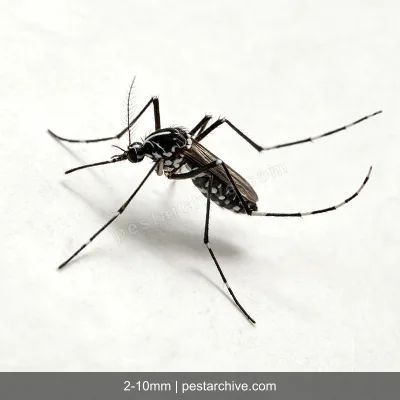
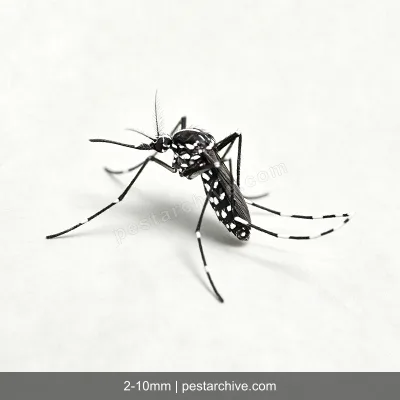
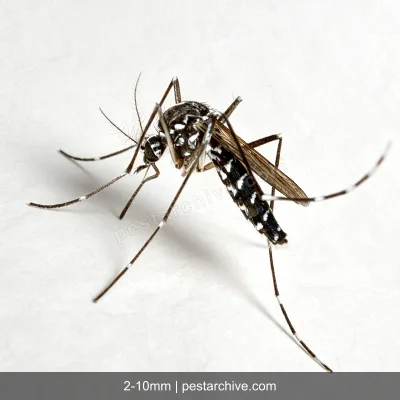
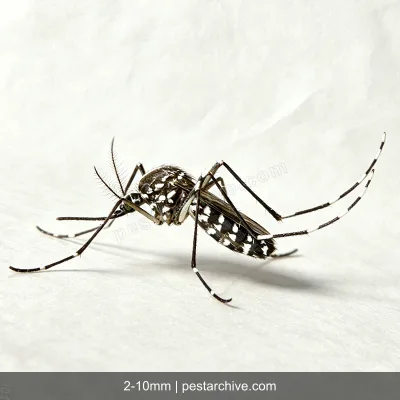
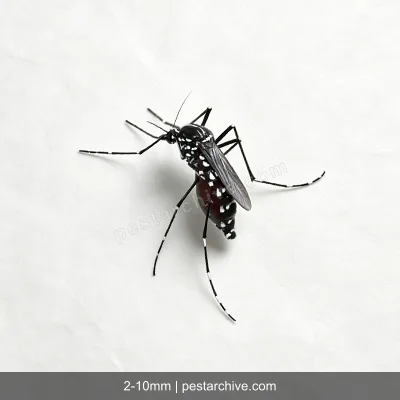
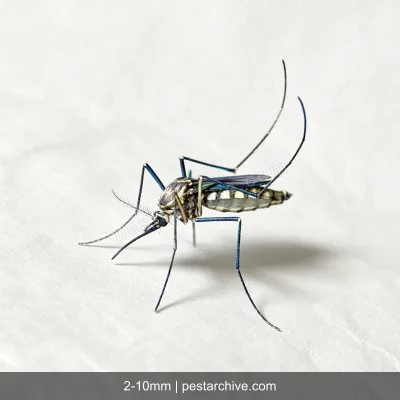
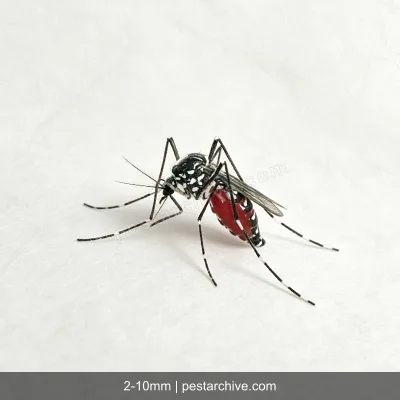
Dengue fever — sometimes called "breakbone fever" for the agonizing joint and muscle pain it causes — infects an estimated 100–400 million people worldwide each year, according to the World Health Organization. There is no specific antiviral treatment once you are infected, and a second infection with a different dengue serotype can trigger severe dengue (dengue hemorrhagic fever), which is life-threatening.
The only reliable way to prevent dengue is to avoid being bitten by an infected mosquito. Two species carry the virus: the Yellow Fever Mosquito (*Aedes aegypti*) and the Asian Tiger Mosquito (*Aedes albopictus*). Both bite primarily during daylight hours, and both breed in small containers of standing water near human homes.
### Understanding the Enemy: *Aedes* Mosquito Behavior
Knowing when and where these vectors strike is the foundation of prevention:
- Daytime biters. Peak biting periods are early morning (2–3 hours after sunrise) and late afternoon (2–3 hours before sunset). Unlike House Mosquitoes, *Aedes* species are active while you are awake and outdoors.
- Container breeders. They lay eggs in any small pool of stagnant water — flower-pot saucers, discarded tires, rain barrels, pet bowls, even a bottle cap. Eggs glued to container walls survive dry periods for months and hatch upon rehydration.
- Short flight range. Adults typically stay within 200 meters of their breeding site. This means the mosquitoes biting you almost certainly hatched on your property or your neighbor's.
- Silent approach. *Aedes* mosquitoes fly low and approach from below, often biting ankles and lower legs without being noticed.
### Strategy 1: Eliminate Breeding Sites (Source Reduction)
This is the single most impactful dengue prevention measure — more effective than any repellent, trap, or fogging campaign:
- Inspect weekly. Walk your entire property and dump out anything that holds water.
- Cover or discard. Store buckets, wheelbarrows, and tools upside down or indoors. Discard old tires, cans, and bottles.
- Gutters. Clean gutters and downspouts so water flows freely — clogged gutters are one of the most common and overlooked breeding sites.
- Containers you cannot empty. For ornamental ponds, water features, and drainage areas, apply a larvicide containing *Bacillus thuringiensis israelensis* (Bti). Bti kills mosquito larvae without harming people, pets, or wildlife.
- Rain barrels. Cover with a tight-fitting lid and fine-mesh insect screen.
- Indoor plants. Change water in vases and hydroponic containers at least twice a week.
### Strategy 2: Personal Protection — Repellents and Clothing
When you must be outdoors during daylight in a dengue-endemic area:
- Apply an EPA-registered repellent containing DEET (20–50%), picaridin, IR3535, or oil of lemon eucalyptus (OLE).
- Wear loose-fitting, long-sleeved shirts and long pants — *Aedes* mosquitoes can bite through tight fabric.
- Treat clothing, gear, and tents with permethrin for extended protection. Permethrin is an insecticide, not a repellent — it kills mosquitoes on contact. Never apply permethrin directly to skin.
### Strategy 3: Physical Barriers at Home
- Install insect screens on all windows and doors; repair holes immediately.
- Use air conditioning when possible — mosquitoes are less active in cooled, enclosed spaces.
- If sleeping outdoors or in unscreened rooms, use a bed net treated with permethrin.
### Strategy 4: Community and Travel Precautions
- Before travel. Check CDC travel advisories for dengue risk at your destination. Pack EPA-registered repellent and permethrin-treated clothing.
- During travel. Stay in air-conditioned or well-screened accommodations. Use bed nets if screens are unavailable.
- After travel. Even if you feel fine, continue bite-prevention for 3 weeks — you could be infected without symptoms, and local mosquitoes could pick up the virus from you and spread it further.
- Community action. Organize neighborhood cleanups. Because *Aedes* mosquitoes rarely fly beyond 200 meters, coordinated source reduction across a block or subdivision can dramatically lower local dengue risk.
### Strategy 5: The Dengue Vaccine
A dengue vaccine (Qdenga) is approved in some countries for children 9–16 who have had a previous confirmed dengue infection and live in endemic areas. It is not widely available for travelers or adults in non-endemic regions. Consult your healthcare provider about vaccine eligibility.
### What to Do If You Suspect Dengue
Symptoms typically appear 4–10 days after a mosquito bite: high fever, severe headache, pain behind the eyes, joint and muscle pain, nausea, and sometimes a rash. If you experience these symptoms:
- Seek medical care immediately.
- Do NOT take aspirin or ibuprofen — these can worsen bleeding risk. Use acetaminophen (paracetamol) for fever and pain.
- Rest, hydrate, and monitor for warning signs of severe dengue: persistent vomiting, abdominal pain, bleeding from gums or nose, rapid breathing, and fatigue. If any of these appear, go to an emergency facility.