How to use dinotefuran-containing household insecticide spray to control whiteflies?
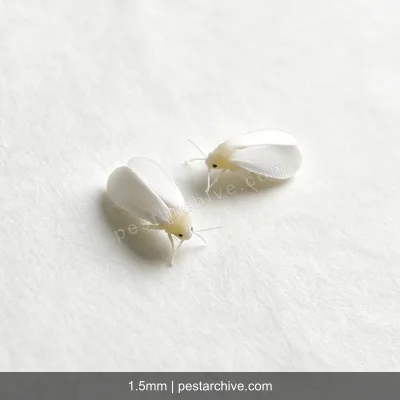
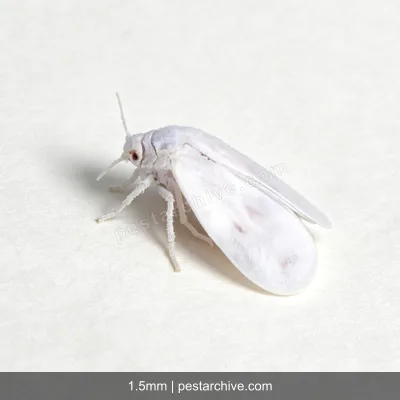
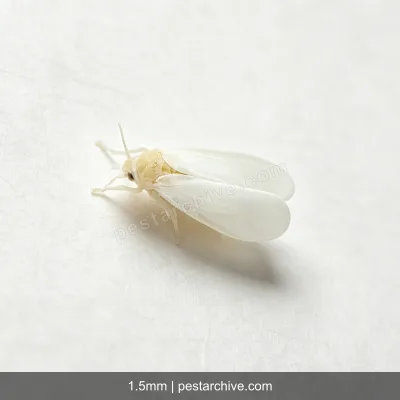
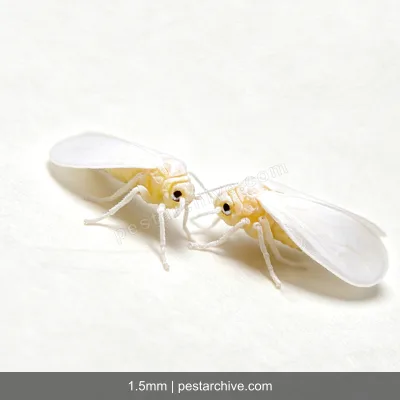
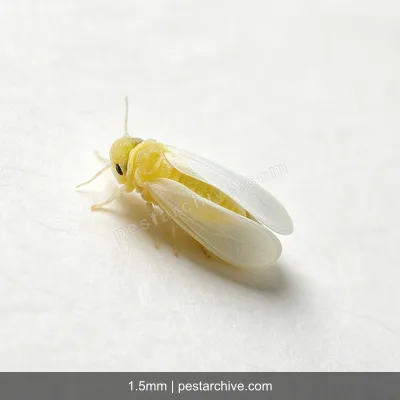
How to use dinotefuran-containing household insecticide spray to control whiteflies?
Since whiteflies fly and hide on leaf undersides, application methods must be adjusted to their characteristics.
Best spray timing
- Morning (6-9 AM) or evening (5-7 PM) — whiteflies are less active and less likely to fly away at lower temperatures.
- Avoid spraying at midday when it is hot and they are active.
- Choose calm or light-wind days.
Spraying method
- Leaf undersides are the main battlefield — adults, nymphs, and eggs are all on the undersides.
- Lift leaves and spray from below upward.
- Spray until the undersides are dripping to ensure full coverage.
- Also spray the soil surface and tray to kill fallen insects.
- Spray surrounding countertops and window sills as well.
Why multiple sprays are needed
Whitefly eggs are more tolerant of dinotefuran-containing sprays; one spray cannot eliminate all life stages:
- First spray: kills most adults and nymphs.
- Second spray after 5-7 days: kills newly hatched nymphs.
- Third spray after another 5-7 days: thoroughly eliminates any remaining individuals.
Complementary measures
- Remove bottom old leaves and heavily damaged leaves before spraying.
- Hang yellow sticky traps to trap remaining adults.
- Ventilate appropriately after spraying.
Precautions
- Systemic action — dinotefuran is absorbed by plants; whiteflies that feed on treated plant sap are poisoned. Even new leaves that were not directly sprayed will be protected.
- Do not spray during flowering to avoid affecting pollination.
- Observe the recommended pre-harvest interval after spraying vegetables.