What Are the Most Effective Home Pest Control Methods?
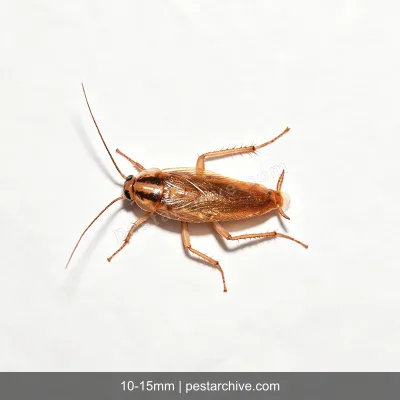
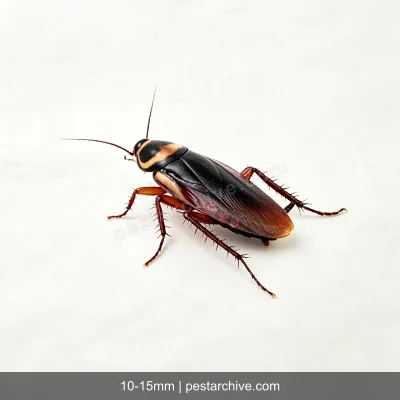
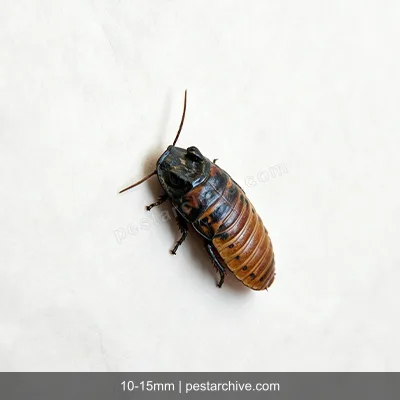
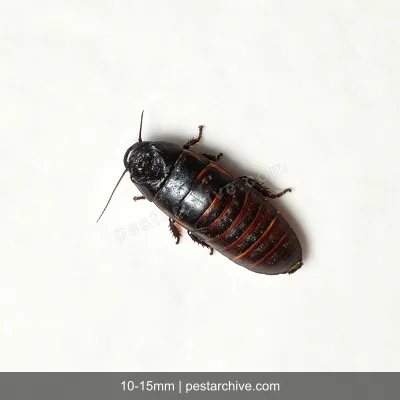
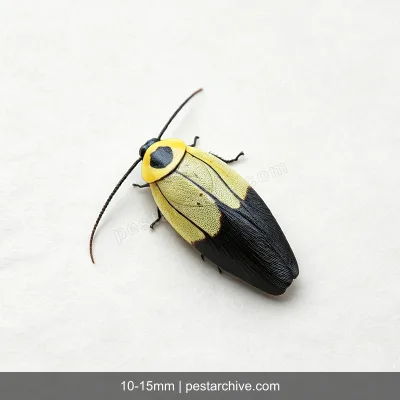
There are many household insecticides on the market. Here's what you need to know before choosing and using one:
- Types of insecticides
- Pyrethroid-based: The most common type for home use — includes permethrin, beta-cypermethrin, and others. Effective against most household pests with low toxicity, but breaks down quickly in bright light. Often found in aerosol sprays and mosquito coils.
- Neonicotinoids: Such as dinotefuran. Highly effective against bed bugs, cockroaches, fleas, and other sanitation pests. Provides long-lasting residual control.
- Boric acid: Low toxicity, long-lasting. Acts as a stomach poison for cockroaches — they carry it back to the nest and pass it to others.
- Insect growth regulators (IGRs): Disrupt the normal growth and development of bugs. They don't kill adults directly, making them a good supplementary control method.
- Biological insecticides: Such as Bacillus thuringiensis (Bt), effective against mosquito larvae. It is the go-to choice for treating standing water breeding sites.
- Formulations
- Aerosol sprays: Ready to use, good for surface treatment. Break down fast — best for instant knockdown.
- Dusts: Ideal for applying into cracks, corners, around pipes, and other hidden spaces. Long residual life.
- Gel baits: Mainly used for cockroach control. Roaches eat the bait, return to the nest, die, and are consumed by others — creating a chain reaction of secondary kill.
- Liquid concentrates: Dilute and spray onto walls and floors to form a residual film that lasts 2–4 weeks.
- Mosquito coils / electric liquid vaporizers: Release fine particles into the air to repel or kill mosquitoes.
- Safety rules
- Move pets and small children out of the area before spraying
- Remove or tightly cover all food, dishes, and cookware with plastic wrap
- Wear a mask and gloves when applying — avoid contact with skin and eyes
- Follow the label rate exactly; never double up thinking "more is better"
- Wash your hands and face after use; ventilate the treated area for at least 30 minutes before re-entering