What Are the Basic Principles of Home Pest Control?
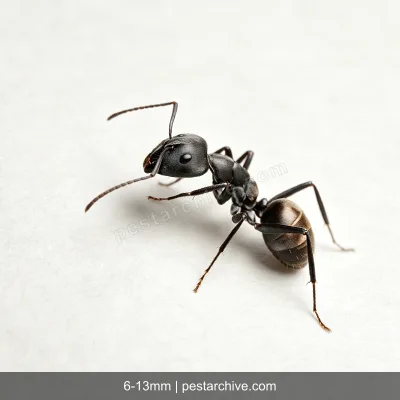
The short answer: Home pest control is not about spraying chemicals every time you see a bug. It’s a five-layer system: prevention > environmental management > physical controls > chemical (last resort) > ongoing monitoring. Get these in order, and you’ll solve 80% of problems without ever picking up a spray can.
- Prevention: the foundation
A clean, dry, and sealed home is your first and cheapest defence. In my own home, I cut ant invasions dramatically just by storing all dry goods in airtight glass jars and taking out the trash every night. Focus on:
- Food, all dry staples (rice, flour, cereals, pet food) in sealed containers.
- Moisture, fix leaky taps, use exhaust fans after showers, empty drip trays.
- Entry, seal gaps around doors (weatherstripping), windows (caulk), and pipe penetrations (expanding foam).
- Environmental management: fix the habitat
Most pests thrive because we give them food, water, and shelter.
- In the kitchen, wipe counters and sweep floors daily, crumbs are a buffet for ants and cockroaches.
- In the bathroom, reduce humidity below 50% with a dehumidifier, that alone eliminates drain flies, springtails, and booklice.
- Outside, keep gutters clean, trim vegetation away from walls, and remove standing water (mosquitoes breed in as little as a bottle cap of water).
- Physical controls: simple and safe
Before any chemical, try these:
- Screens, install 1.2-mm mesh on windows and vents to block flying insects.
- Traps, sticky traps along baseboards catch crawling pests; UV light traps for flies (place them 3 metres away from doors to avoid attracting outdoor bugs).
- Heat and cold, wash bedding at 60°C or above to kill dust mites and bed bugs; freeze infested dry goods at -18°C for 48 hours to kill eggs.
- Sealing, caulk cracks in walls, floors, and around pipes to eliminate hiding spots.
- Chemical controls: use wisely and sparingly
When physical methods fail, choose a ready-to-use household insecticide containing dinotefuran (a neonicotinoid). This forms a residual film on surfaces that kills crawling insects for 2–4 weeks after it dries.
- Spray along baseboards, under furniture, and around door/window frames.
- Never spray on food, dishes, or pet bowls, cover or remove them beforehand.
- Keep pets, fish tanks (dinotefuran is highly toxic to aquatic life), and children out of the treated area until the spray is completely dry (at least 1–2 hours).
- Always read the label, it tells you exactly how much to apply (never double the dose).
- Monitoring: the final piece
Pest control is never a one-and-done job. I check my kitchen cabinets and bathroom corners once a month with a flashlight. Look for:
- Droppings (small black specks).
- Shed skins, egg cases, or webbing.
- New gaps or cracks.
If you spot early signs, you can intervene before an infestation builds up.
Common mistakes
- ❌ Spraying every time you see a bug instead of finding the source.
- ❌ Over-relying on “natural” remedies, they often don’t eliminate breeding sites.
- ❌ Forgetting to clean up after treatment, dead bugs and droppings still attract new pests.
Mini FAQ
Q: Can I skip prevention and just spray?
A: You’ll waste money and chemicals. Without removing food/water and sealing entry, new bugs will keep arriving.
Q: How often should I monitor?
A: At least once a month in high-risk areas (kitchen, bathroom, storage). More often in summer.
Q: Is it safe to use dinotefuran around my aquarium?
A: No, cover the tank tightly before spraying and keep the spray away from water sources. Dinotefuran is extremely toxic to fish.
Your action list
- Do a full home inspection, identify moisture, food, and entry points.
- Fix leaks and install screens.
- Store all food in sealed containers.
- Set up sticky traps in corners.
- Only use dinotefuran spray as a targeted residual treatment.
- Schedule a monthly check-up.