How to Get Rid of Pests Naturally Without Harming Family or Pets
- Natural enemies
Some pests have specific natural predators or pathogens you can use to keep their numbers down:
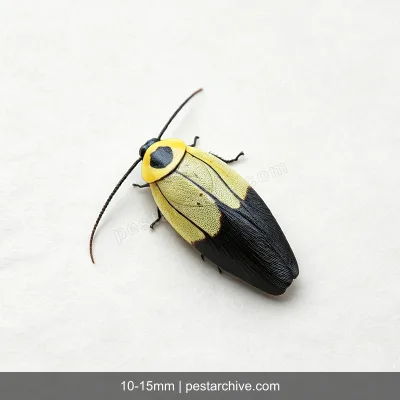
- Keep geckos or small lizards that feed on cockroaches and mosquitoes
- Grow pest-repellent plants (such as mint and basil) on your balcony or in the garden to attract parasitic wasps that control caterpillars and aphids
- Use Bacillus thuringiensis (Bt), a naturally occurring bacterium that selectively kills mosquito larvae while being low in toxicity to people and pets
- Physical barriers
- Install window screens with mesh openings no larger than 1.2 mm — this blocks most flying insects
- Encase mattresses and pillows in allergen-proof, bug-proof covers (pore size of 10 microns or less) to seal dust mites in and out
- Clear dead leaves, overgrown vegetation, and containers of standing water away from the house exterior — these are prime pest breeding sites
- Add magnetic insect screens to doors, windows, and vents
- Trapping
- UV bug zappers work for flying insects, but install them at least 3 meters (10 feet) away from doors and windows so you don't draw outdoor bugs inside
- Sticky traps catch crawling pests — place them along baseboards, under cabinets, and in other hidden spots
- Make a DIY sugar-vinegar trap (sugar + vinegar + dish soap + water in a shallow dish) to attract and drown fruit flies
- Pheromone traps target specific pests (such as cockroaches and clothes moths) — safe and highly effective
- Environmental management
- Regularly clean air conditioner drip trays and humidifier tanks so they don't become mosquito breeding grounds
- Pick up pet waste promptly to avoid attracting flies
- Trim back shrubs and keep the lawn mowed to reduce outdoor pest harborage
- Swap white outdoor bulbs for yellow LED bulbs to reduce the number of flying insects drawn to your home at night