Found an Unknown Bug at Home? What to Do
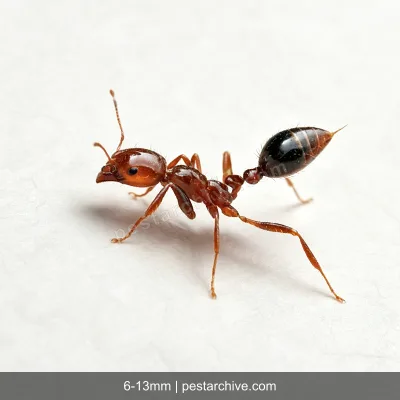
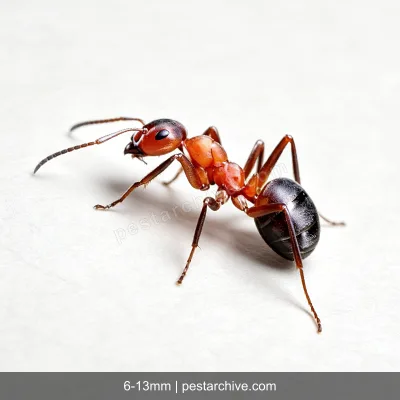
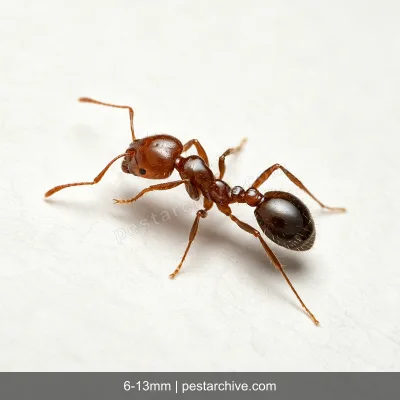
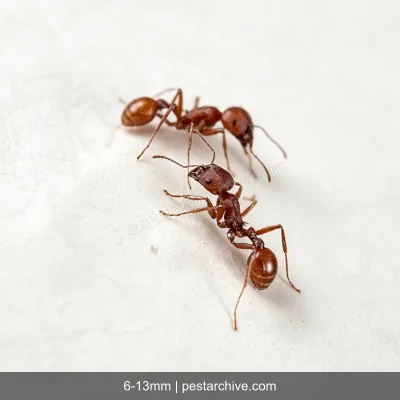
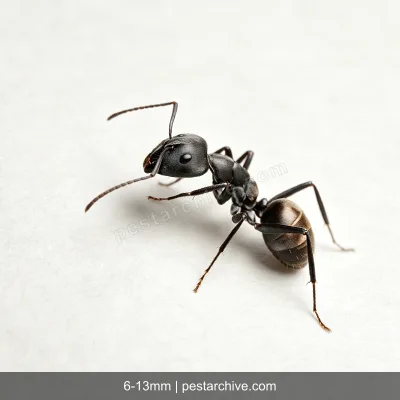
The short answer: Stay calm, don’t touch it with bare hands, and follow a simple five-step triage. Most home bugs are harmless, but a few can bite, sting, or carry disease. Your first move is always safety, then observe, photograph, and use our identification tool.
- Safety first: no bare-hand contact
I’ve learned this the hard way: once I grabbed a beetle off my kitchen counter and got a painful pinch. Many insects defend themselves with bites, stings, or irritating fluids. If you have sensitive skin, even a harmless caterpillar can cause a rash. So use a glass jar or a piece of stiff paper to gently trap the bug for a closer look. If you get bitten and experience difficulty breathing, widespread swelling, or dizziness, call emergency services immediately, that’s a severe allergic reaction (anaphylaxis) and needs medical attention right away.
- Observe and photograph: the four W’s
Before you kill or release it, take a few seconds to note:
- Size (in mm, compare to a coin: a 5-mm bug is about the size of a rice grain).
- Colour (brown, black, reddish, yellowish, or metallic).
- Wings (does it fly, or just crawl?).
- Where (kitchen, bedroom, bathroom, balcony, near a window, or on a plant).
- Behaviour (fast runner, hopper, slow walker, or sits still).
Take a clear photo with your phone, zoom in to see tiny features. These details are exactly what our bug identification guide uses to narrow down the suspects.
- Quick danger check: is it a known biter or stinger?
Some bugs are more urgent than others. If you see a tick attached to skin, remove it carefully (we have a dedicated tick guide). Bed bugs leave itchy red welts in lines. Wasps and fire ants can cause severe allergic reactions. Mosquitoes can transmit diseases. For most other crawling or flying bugs, the risk is low, but you still want to identify them correctly.
- Room-by-room common suspects
- Kitchen: cockroaches, ants, fruit flies, grain beetles, Indian meal moths.
- Bathroom: drain flies (moth flies), springtails, silverfish, booklice.
- Bedroom: bed bugs, dust mites (microscopic), clothes moths, carpet beetle larvae.
- Living room: spiders, carpet beetles, occasional invaders like stink bugs.
- Balcony / windows: flies, mosquitoes, ladybugs, or pollen beetles.
If your bug matches any of these, jump to our pest-specific encyclopedia page for detailed treatment.
- Use our online tool or compare with photos
We have a step-by-step bug identifier that asks you about size, colour, wings, and location. It gives you a shortlist of likely species. From there, you can read the full control guide. This is much faster than scrolling through random images.
Common mistakes
- ❌ Killing the bug before taking a photo, then you can’t identify it later.
- ❌ Assuming every bug is dangerous, most are harmless or even beneficial.
- ❌ Using insecticide immediately without knowing what it is, you might spray the wrong product or miss the real problem (like a breeding site).
Mini FAQ
Q: Should I vacuum the bug up?
A: You can, but if you need identification, trap it in a jar first. Vacuuming may damage it and make ID impossible.
Q: What if I find just one bug: is there always a nest?
A: Not always. Some are lone wanderers that entered from outside. But for social insects (cockroaches, ants, termites), one often means many more. Always investigate.
Q: Can I use a pest control app to identify it?
A: Yes, but they aren’t 100% reliable. Use our site’s visual guide and descriptions for the best match.
Your next-step checklist
- Trap the bug safely in a clear jar.
- Note size (mm), colour, wings, and location.
- Take a close-up photo.
- Go to our identification tool and match your observations.
- If it’s a known pest, read the treatment page.
- If bitten and symptoms are severe, seek medical help now.