Spiders Control & Removal Guide
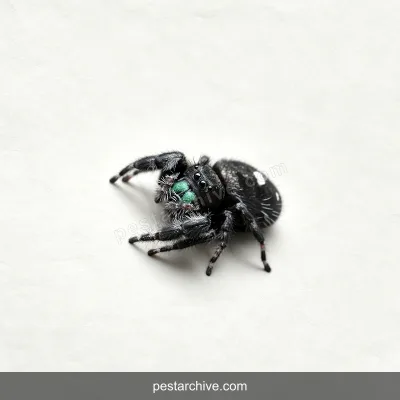
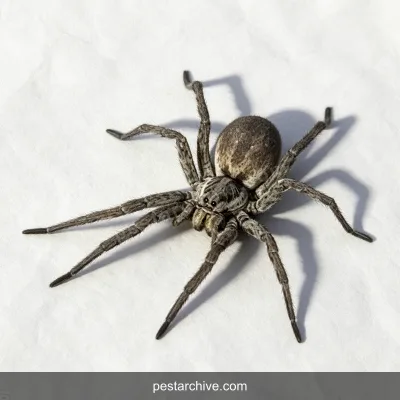
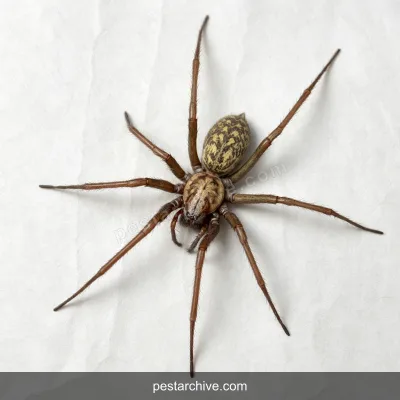
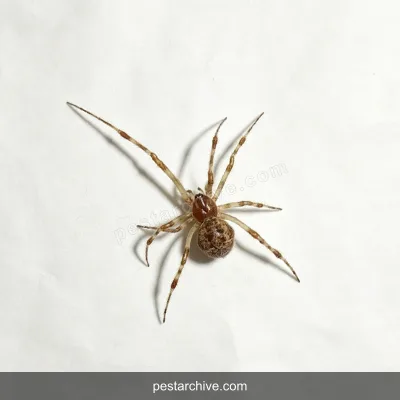
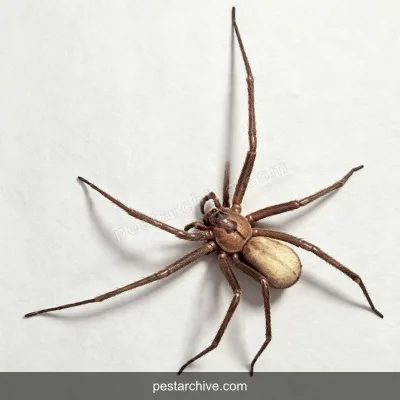
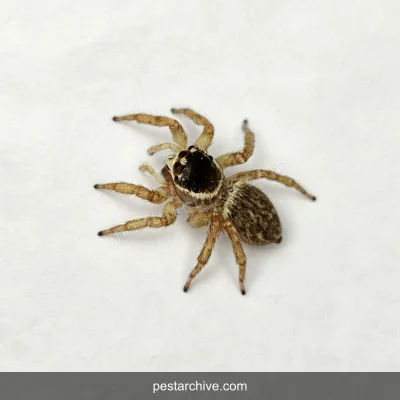
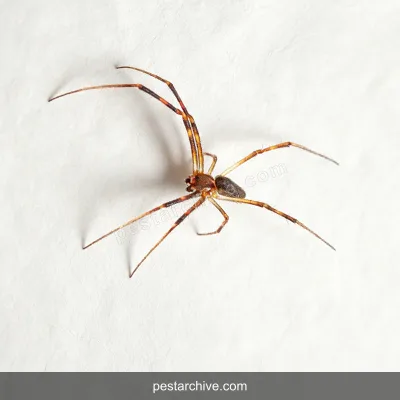
(Common house spider, Daddy long-legs, Giant house spider, Jumping spider)*Tegenaria domestica* / Araneae
How They Get In
- Spiders crawl in through door/window gaps, wall cracks, and pipe entries.
- Hallway and landscaping spiders follow wall surfaces and door frames indoors.
- Abundant indoor insects provide food that attracts and sustains spiders.
- Long-undisturbed ceiling corners and wall corners accumulate webs, providing stable nesting sites.
How to Get Rid of Them
- Pre-Treatment: Sweep down all visible old webs with a long-handled broom or vacuum. Clean dust from ceiling corners, curtain rods, and door/window top edges. Remove pets and children.;
- Key Zones: Wall corners (web-building sites), ceiling edges, curtain rods and blinds, behind and under furniture, door/window top edges, hallway corners.;
- Application: Spray along corners and edges in lines. Spray upward into high corners. Focus on curtain rods and window top frames. Spray baseboards in continuous lines.;
- Post-Treatment: Close 1 hour, ventilate. Regularly vacuum high corners to remove webs.;
- Ecological Note: Spiders are beneficial predators. Occasional individuals need no chemical treatment — vacuum or sweep outdoors. Only treat when spiders are frequent or webs are numerous. Keeping balcony and outdoor corner spiders actually helps control outdoor mosquitoes.
Prevention & Follow-Up
Vacuum ceiling corners, curtain rods, and the tops of door and window frames regularly to remove cobwebs — a spider-free home is less inviting to new spiders. Seal gaps around doors, windows, and walls to keep spiders from crawling in from outside. Cut down on indoor gnats and small flying insects to reduce their food supply. For the occasional spider, just vacuum it up or sweep it outside — no chemicals needed. Spiders are actually helpful pest-eaters in your home.