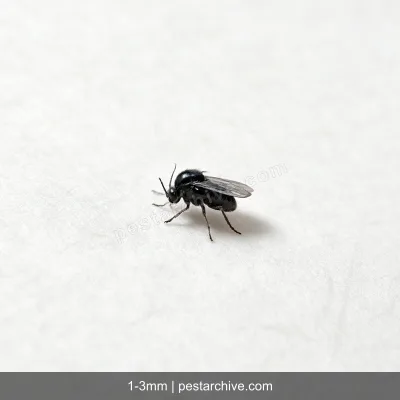
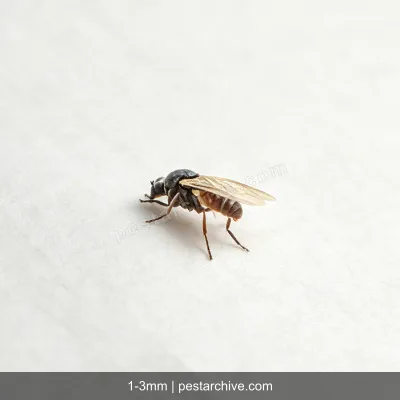
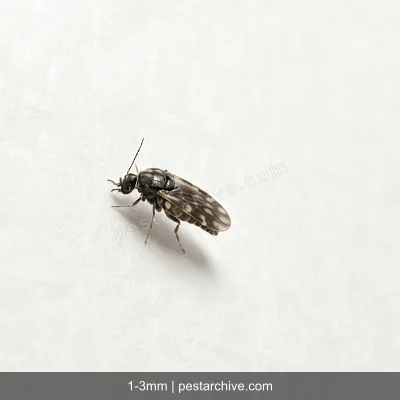
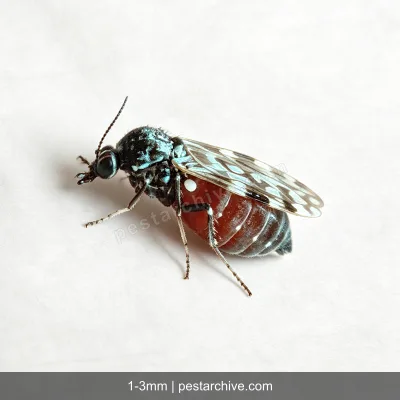
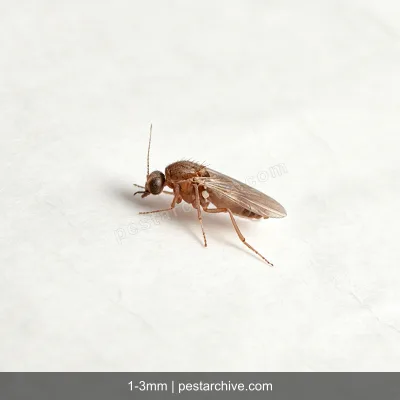
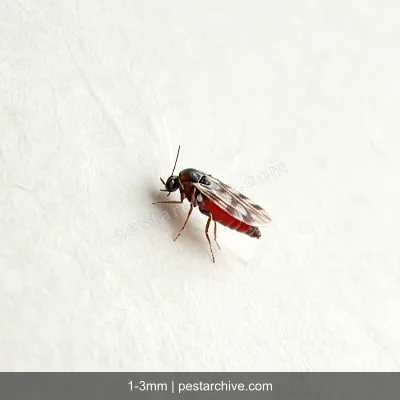
Biting Midges Control & Removal Guide
(No-see-ums, Punkies, Sand gnats)*Culicoides* spp.
How They Get In
- Door and Window Gaps: Adult midges at 1-3mm easily pass through standard window screen mesh (typically ~1.5mm openings), entering through door/window gaps, AC ducts, exhaust vents, and range hood pipes. They are attracted to light, so indoor lights at night draw them to gather around windows and doors seeking entry.;
- Outdoor Activity Carriage: When outdoors at dusk (walking, gardening, running), people move through midge swarms — the insects cling to clothing, hair, and exposed skin and are carried indoors. Midges are weak fliers but their sheer numbers mean a single breeding site can produce tens of thousands daily.;
- Indoor Standing Water Breeding: Midge larvae require water or extremely moist organic matter to develop. Indoor sources include flower pot trays, bathroom floor drains, sink standing water, clogged balcony drains, and water from aquariums or hydroponic plants. Midges have a limited flight range; large numbers around the home indicate suitable breeding water within a few hundred meters.;
- Ventilation Intake: Opening windows draws midges in with airflow, especially during peak activity at dawn and dusk. Fresh air system intakes without fine mesh filters can also pull midges indoors.
How to Get Rid of Them
- Source Elimination — Remove Standing Water: Midge larvae develop in water. Eliminating water sources is the most fundamental control measure. Thoroughly remove all standing water indoors and out: empty flower pot trays, clear balcony drains, clean floor drains, check hydroponic vases and aquatic plant containers for larvae. Keep bathrooms and kitchens dry and well-ventilated. Flush floor drains regularly with hot water or a small amount of bleach to kill larvae. Outdoors, check AC drain pipes, awning water accumulation, and sewer openings for potential water sources. Source elimination before spraying dramatically improves results.;
- Pre-Treatment Preparation: After removing water sources, close doors and windows. Remove pets, children, food, and dishes. Midges are small and numerous — running a mosquito lamp or sticky traps before spraying can reduce the airborne adult population. Shake the spray bottle well.;
- Key Treatment Zones: Door and window frame gaps and screens — primary entry routes, spray thoroughly without gaps. Balcony floors, walls, and window perimeters — where midges gather outdoors. Bathroom corners, around floor drains, and under sinks — damp areas where midges rest and breed. Flower pot trays and around plants — potential indoor larval breeding sites. Baseboard-wall junctions and vents — indoor resting spots. AC vents and duct openings — potential entry pathways.;
- Application Method: Hold sprayer 20-30cm from surfaces and spray evenly. Spray both sides of window screens to form a protective residue layer that blocks midge entry. Apply thoroughly along door/window frame gaps, ensuring penetration into crevices. Spray damp areas in bathrooms and balconies along wall lines until lightly moist. For airborne midges, light spraying of the air can knock down flying adults. In rooms with high midge density, close doors and windows, spray the air, wait 15 minutes, then apply surface treatment.;
- Post-Treatment and Screen Upgrades: Keep the area closed for 1-2 hours, then ventilate for 30+ minutes before re-entry. Avoid spraying on plant leaves, dishes, and food. Because midges can pass through standard screens, consider upgrading to 40+ mesh fine screens or applying insect screen mesh tape. Maintain physical protection after the spray residue period ends. Close doors and windows during dusk and dawn peak activity periods to reduce midge entry.
Prevention & Follow-Up
Install fine mesh window screens (40+ mesh count) to block biting midges. Keep doors and windows closed during peak midge activity (dusk and dawn). Regularly clear standing water from balcony trays, plant saucers, and bathroom drains to get rid of larval breeding sites. Use UV bug zappers or sticky traps to reduce indoor midge density in summer.