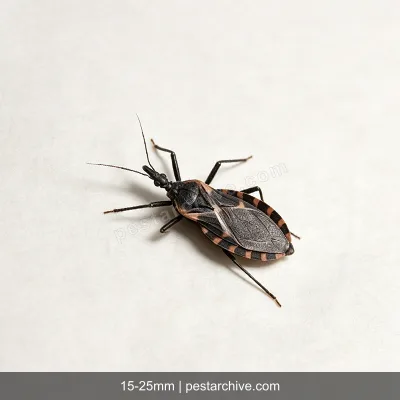
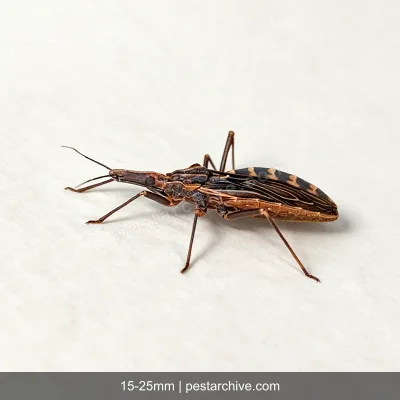
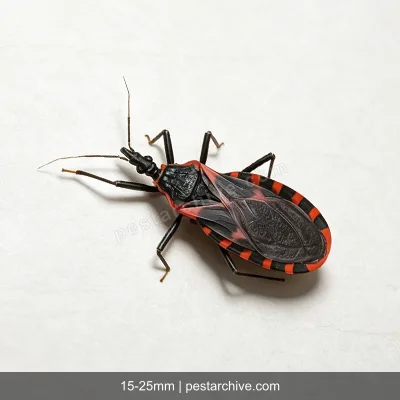
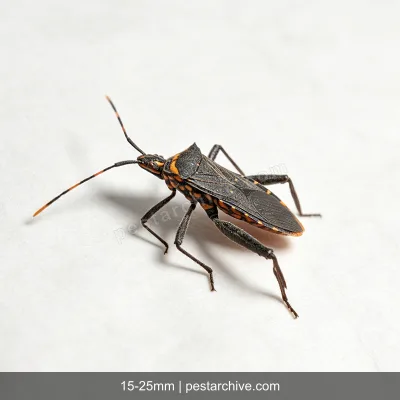
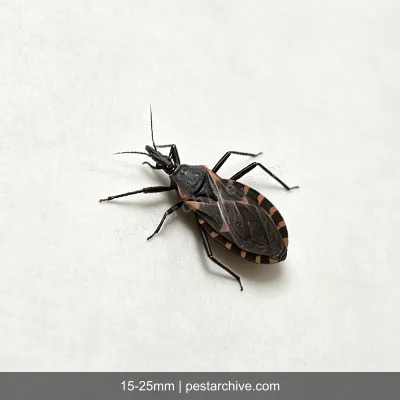
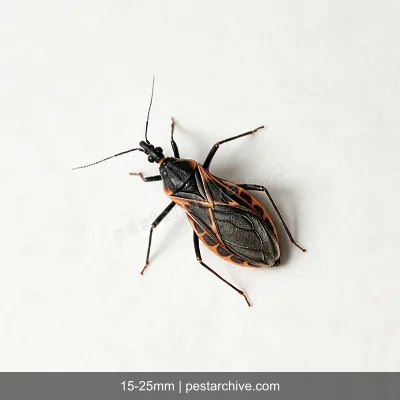
Kissing Bugs Control & Removal Guide
(Assassin bug, Cone-nosed bug, Triatomine bug)*Triatoma infestans* / Triatoma spp.
How They Get In
- Old building cracks: adobe wall cracks, thatched roof gaps, wood structure joints, and under furniture are their primary harborage.
- Yard and outbuildings: wood piles, rock piles, abandoned structures, and animal enclosures (chicken coops, dog houses, rabbit hutches) are common breeding sites.
- Light attraction: adults fly to lights and enter through open doors/windows at night.
- Lumber and building material transport: hidden in materials moved from infested areas to new locations.
How to Get Rid of Them
- Seal Indoor Cracks: Use sealant and cement to fill all wall cracks and holes; repair damaged walls and roofs. Pay special attention to cracks in bedroom walls and bed frame joints, kissing bugs emerge from these at night to feed. Install screens on windows and doors to prevent adult entry.;
- Secure Sleeping Areas: Move beds away from walls; keep bedding from touching the floor. Use insecticide-treated bed nets for long-term protection. Check walls and bed frame crevices for bugs before sleep.;
- Yard Environmental Management: Clear wood piles and debris from around the house; store firewood on elevated platforms away from the home. Regularly clean animal enclosures (chicken coops, dog houses, rabbit hutches); treat if kissing bugs are found. Trim tree branches and vines touching the house.;
- Indoor Residual Spraying: Apply pyrethroid-based residual surface treatment to wall cracks, roof spaces, door/window frames, and bedroom walls. In endemic areas, professional application of long-lasting residual insecticides to all indoor walls is recommended.;
- Personal Protection and Medical Care: When living or traveling in endemic areas, use bed nets (preferably insecticide-treated). If you suspect a kissing bug bite, do NOT scratch the bite area (to avoid rubbing parasite-laden feces into the wound) and seek prompt medical attention for serological testing. Early treatment of Chagas disease is more effective; chronic-phase treatment is difficult, making early diagnosis crucial.
Prevention & Follow-Up
Seal all cracks and gaps in walls with caulk or cement. Move beds away from walls and keep bedding from touching the floor. Use insecticide-treated bed nets. Clear woodpiles and debris away from the house. Clean animal pens and shelters regularly.