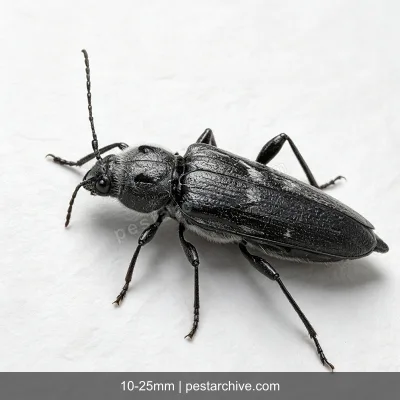
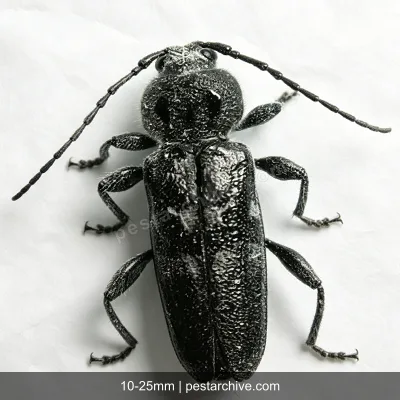
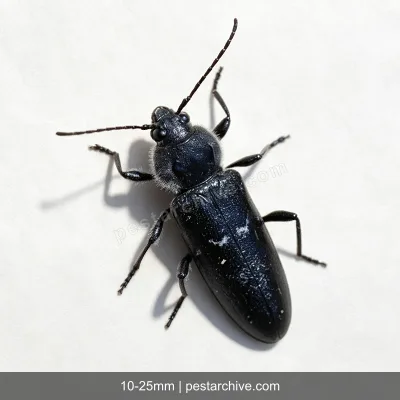
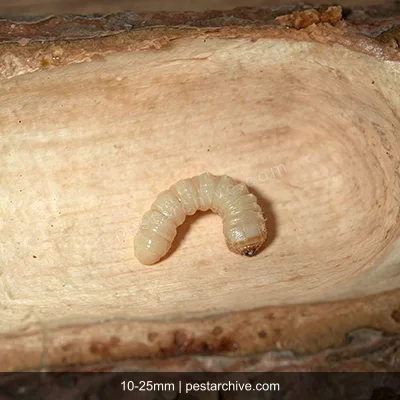
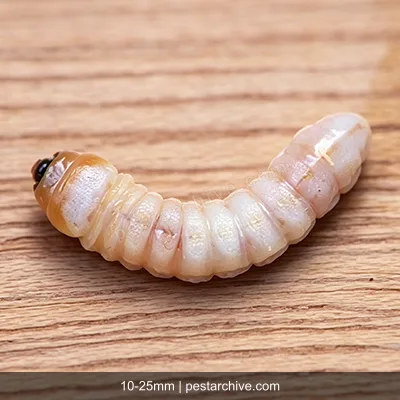
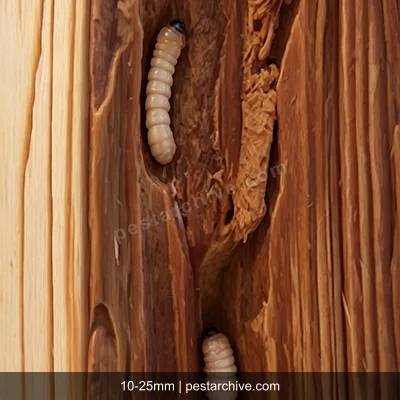
Old House Borers Control & Removal Guide
(European house borer, Longhorn house borer)*Hylotrupes bajulus*
How They Get In
- New construction lumber and solid-wood furniture carry eggs from the factory.
- Summer adults fly to lights and enter through windows, laying eggs in wood crevices.
- Old building common wood members (hallway handrails, old door frames) are continuous sources.
- Balcony landscape trees and wood plant stands harbor breeding populations.
How to Get Rid of Them
- Pre-Treatment: Full-house inspection of all wood members and furniture for exit holes. Collect fallen wood powder to locate sources. Look for 5-10mm oval exit holes with a flashlight. Tap flooring and door frames for hollow sounds. Clean hole openings.;
- Key Zones: Exit hole openings (pressure spot-spray into each), floor joint seams, door/window frame wood joints, wardrobe and cabinet back panel crevices, baseboard top edges at wall junction.;
- Application: Hold sprayer 10-15cm from holes. Pressure spot-spray 2-3 seconds to inject deep into galleries. Repeat 2-3 times per hole. Spray floor expansion joints. Spray frame joints along edges. Never on lacquered surfaces. Close room 2-3 hours.;
- Post-Treatment: Ventilate thoroughly. Monitor for fresh powder. Re-treat if active. Replace severely damaged members.;
- Prevention: Choose kiln-dried, treated lumber for construction and furniture. Pre-treat subfloor joists before flooring installation. Maintain indoor wood moisture at 8-12%. Inspect annually in spring for new holes and powder.
Prevention & Follow-Up
Inspect all wooden parts of your home for fresh exit holes and wood powder every spring. If you spot adult house longhorn beetles flying indoors, kill them on sight — that reduces their chance to lay eggs. Apply a preventive spray treatment to wooden joints and seams in summer to stop adults from laying eggs. When renovating, choose treated, pest-resistant lumber and treat the subfloor joists before installing hardwood floors. Keep the house ventilated and dry to make conditions less favorable for beetle development.