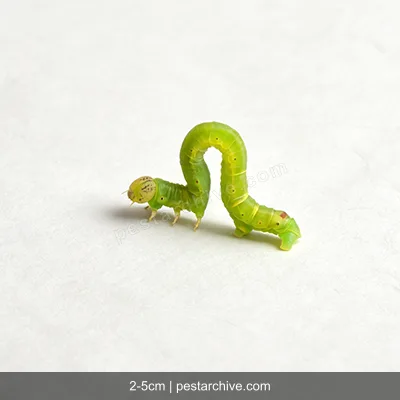
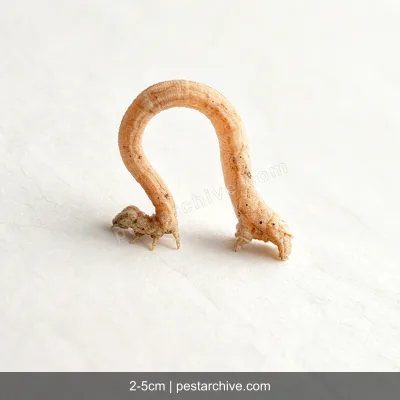
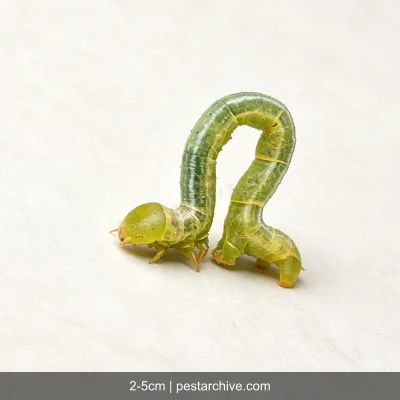
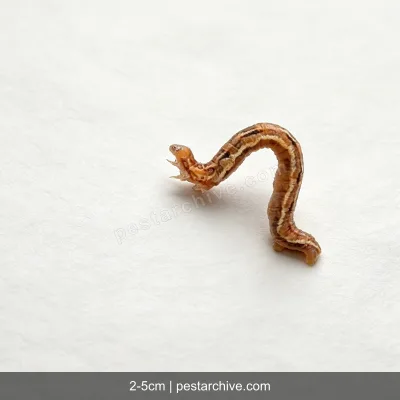
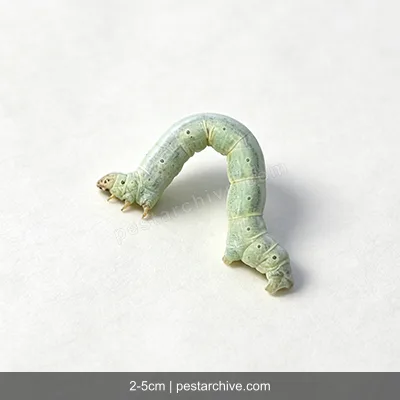
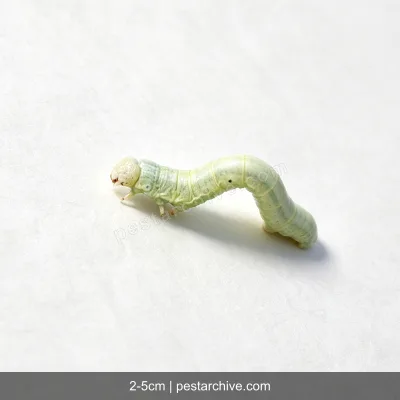
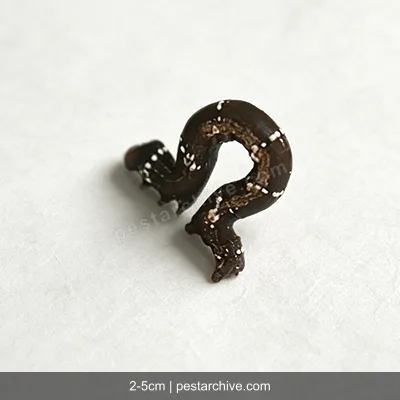
Inchworms Control & Removal Guide
(Loopers, Measuring worms, Spanworms)Geometridae larvae
How They Get In
- Inchworm eggs blow onto balcony plants from outdoor trees and landscaping.
- Newly purchased plants carry eggs or larvae from nurseries; camouflage makes detection difficult.
- Adult moths fly in at night through windows and lay eggs on potted plants.
- Ground-floor units near landscaping face higher risk of larvae crawling in.
How to Get Rid of Them
- Pre-Treatment: Hand-pick larvae (most effective method). Inspect both leaf surfaces and stems carefully. Prune severely damaged leaves. Remove pets and children.;
- Key Zones: Leaf surfaces (both sides), stems, balcony railings, outdoor vegetation, windowsill corners.;
- Application: Spray both leaf surfaces thoroughly. Spray the entire plant from top to bottom. Avoid over-application on tender seedlings and buds.;
- Post-Treatment: Let dry in ventilated area. Inspect leaves regularly for new feeding damage and larvae. Hand-pick any found.;
- Prevention: Install insect netting on balconies to block adult moths. Inspect leaves regularly for feeding notches and check nearby for larvae.
Prevention & Follow-Up
Check both sides of leaves regularly. If you find inchworms, pick them off by hand—they are large enough to spot easily and hand-picking is the most effective method. Install insect screens on your windows to keep adult geometer moths from flying in and laying eggs. If your balcony faces a greenbelt or garden, keep outdoor lights off on summer nights to avoid attracting moths. Clear dead leaves and plant debris in winter to eliminate overwintering sites. Keep your plants well-spaced and ventilated so they are less vulnerable to pests.