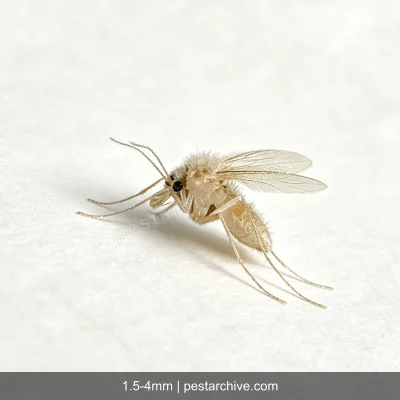
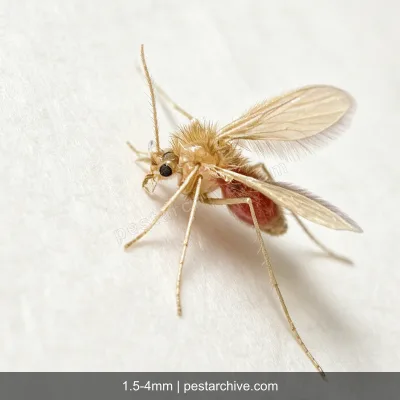
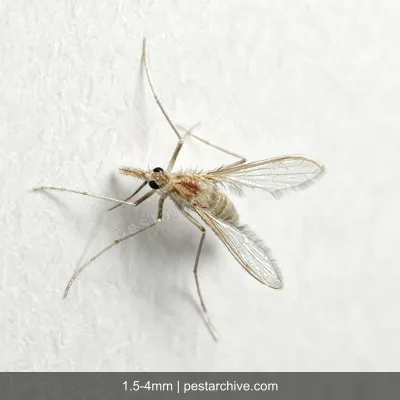
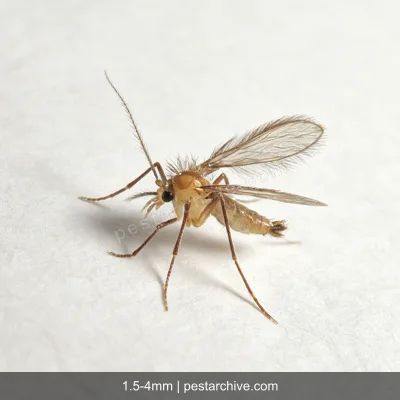
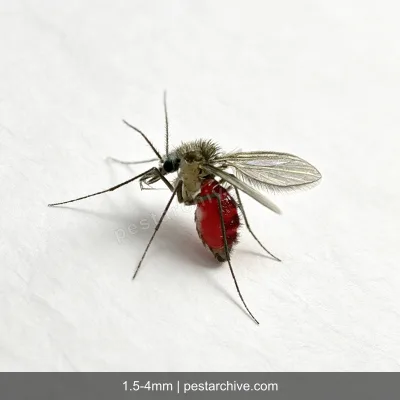
Sand Flies Control & Removal Guide
(Sand gnat, Leishmaniasis vector, Owl midge)*Phlebotomus chinensis* / *Phlebotomus* spp.
How They Get In
- Door and Window Gaps: Adult sand flies at 1.5-4mm easily pass through standard screen mesh, entering through door/window gaps, AC ducts, exhaust vents, and wall cracks. They are nocturnal and attracted to light — indoor lights at night draw them to gather around doors and windows.;
- Outdoor Activity Carriage: During dusk and nighttime outdoor activities (sitting outdoors, walking, dog walking), sand flies cling to clothing and exposed skin and are carried indoors. Their short flight range (typically a few hundred meters) means their presence indoors indicates suitable breeding conditions nearby.;
- Indoor Breeding Conditions: Sand fly larvae develop in moist, organic-rich soil. Overwatered potted plant soil, bathroom corner accumulations of hair and skin flakes, balcony leaf litter and soil, and damp wall cracks in older homes can all serve as larval breeding sites. Keeping indoor areas dry and eliminating damp dead zones is key to source control.;
- Perimeter Dispersal: Homes near farmland, livestock sheds, landscaped areas, ponds, and ditches face higher sand fly pressure from these breeding sites. Wall cracks and basements in older residential complexes are also sources of sand fly breeding and dispersal.
How to Get Rid of Them
- Environmental Management — Eliminate Breeding Conditions: Sand fly larvae develop in moist organic matter. Before spraying, eliminate breeding conditions: clean bathroom corner hair and skin flake accumulations, empty balcony standing water and leaf litter, keep potted plant soil surfaces dry (reduce watering frequency or apply a dry sand layer on top). Seal wall cracks, repair damp wall corners and baseboard gaps to reduce sand fly harborage and breeding sites. Keep indoor areas ventilated and dry — use a dehumidifier or install exhaust fans in bathrooms to keep humidity below 60%. Proper environmental management can dramatically reduce sand fly numbers.;
- Pre-Treatment Preparation: After completing environmental cleanup, close doors and windows. Remove pets, children, food, and dishes. Shake the spray bottle well.;
- Key Treatment Zones: Door and window frame gaps and screens — sand flies are tiny; all potential entry points need thorough treatment. Baseboard-wall junctions and wallpaper seams — daytime hiding spots. Bathroom corners, under-sink areas, and around floor drains — damp zones are key sand fly locations. Balcony floor cracks and wall crevices — first landing zone after outdoor entry. Potted plant soil surfaces and trays — potential indoor larval breeding sites. Behind wardrobes and under furniture edges — daytime resting spots. AC ducts and exhaust fan openings — non-window entry pathways.;
- Application Method: Hold sprayer 20-30cm from surfaces and spray evenly. Spray both sides of window screens to form an protective barrier. Apply thoroughly along door/window frame gaps, ensuring chemical penetration into crevice depths. Spray the wall-baseboard junction along the entire line without missing seams. Lightly spray damp corners and pot surfaces until moist. For airborne sand flies, light spraying of the air can knock down flying adults. Use the nozzle to spray directly into wall cracks and wallpaper seams.;
- Post-Treatment and Prevention: Keep the area closed for 2 hours, then ventilate for 1+ hour before re-entry. Avoid spraying on plant leaves, dishes, food, and water sources. Due to their small size, consider installing fine-mesh screens and periodically re-spraying screens to maintain protection. During the sand fly active season (June-September), spray screens and door/window frames every 1-2 weeks to prevent entry. When outdoors, wear long sleeves and use insect repellent to reduce bites.
Prevention & Follow-Up
Seal all cracks and gaps in walls and floors to reduce sandfly hiding and breeding spaces. Keep indoor areas dry and well-ventilated — maintain humidity below 60% to slow larval development. At night, turn off indoor lights or draw curtains to reduce the light that attracts sandflies indoors. Install fine-mesh window screens and check them regularly for tears. During peak sandfly season in summer, apply a residual surface treatment to window screens, door frames, and window frames to maintain a protective barrier.