Can Household Insecticide Spray Kill Phorid Flies?
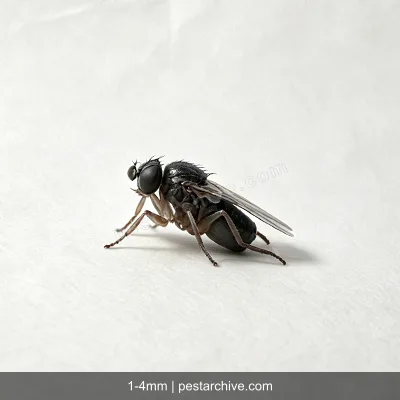
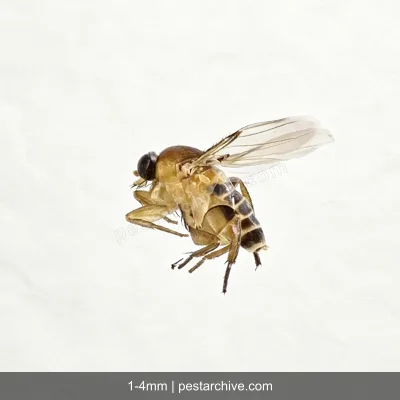
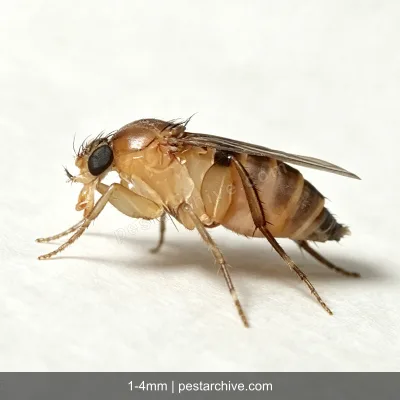
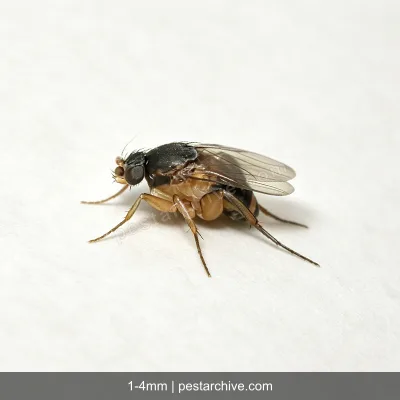
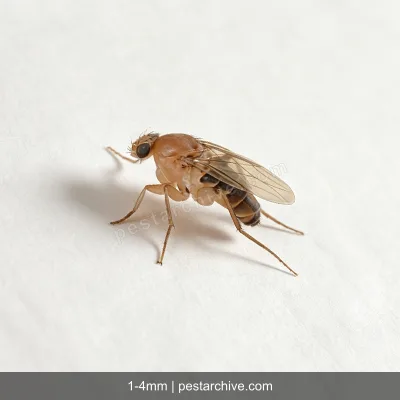
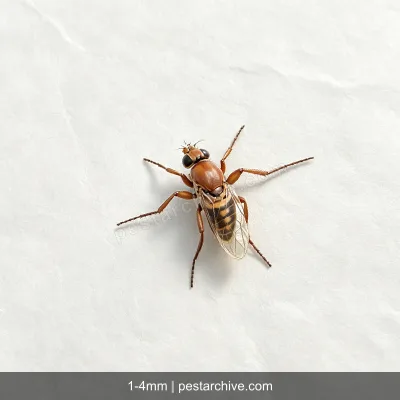
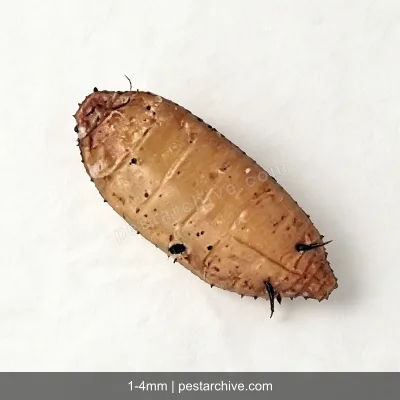
Real scene: There are always a few phorid flies crawling on the kitchen wall and on the counter near the trash can. You've tried a fly swatter and sticky traps, but they come back in a couple of days. You wonder if you need to spray something, but you're also concerned about using chemicals in the kitchen.
Quick answer: Residual household insecticide spray can be effective against phorid flies. Unlike fruit flies, which mostly fly, phorid flies spend a lot of time crawling on walls, countertops, and the edges of trash cans. That means they're likely to come into contact with the dried film. But you must find and remove the breeding source before spraying. Otherwise, larvae are pupating and emerging as adults every day. Spraying can't keep up with the reproduction rate. Clean the source first, then spray. The order matters.
Why residual spraying works on phorid flies
Phorid fly behavior is different from fruit flies. Fruit flies spend most of their time flying. Phorid flies spend most of their time crawling on surfaces: walls, countertops, cabinet doors, the outside of trash cans, and sink edges. Residual spraying creates an invisible film on these surfaces. When phorid flies crawl over it, they pick up the insecticide. This strategy takes advantage of their crawling behavior. The dried film typically remains effective for 2 to 4 weeks, continuously killing flies that crawl across it.
Prerequisite before spraying: Find and remove the breeding source
If the breeding source isn't removed, larvae are emerging as adults every day. Spraying is like mopping the floor while the faucet is still running. Go through this checklist:
- Trash can bottom: This is the number one suspect. Liquid and organic residue are most likely to collect here. Empty it, scrub with hot water and dish soap, and let it dry.
- Sink strainer and drain: Organic debris on the strainer is also a breeding site. Remove and scrub the strainer. Pour boiling water down the drain.
- Cabinet bottom corners: Rolled-out food debris and standing water. Use a flashlight to check and a vacuum to clean.
- Kitchen sponges and mops: Damp mop cloths and dishcloths can also breed phorid fly larvae. Replace them regularly or scald them with hot water.
Correct spraying method
After removing the breeding source, apply residual spray to these locations:
- The junction between wall and countertop: spray a strip about 5 cm wide.
- The counter and floor around the trash can.
- The inside of cabinet doors and the cabinet floor under the sink.
- The lower edges of door and window frames, and windowsills.
Hold the nozzle 20 to 30 cm from the surface. Spray evenly until slightly damp. Don't let it run. Let it air dry naturally. Don't wipe it off. The dried film is transparent and usually invisible.
Note: When spraying in the kitchen, move food, dishes, and spice bottles away or cover them. Wait until the spray has fully dried before putting them back. Don't spray on food-contact surfaces or directly above food.
Physical alternatives
If you don't want to use chemicals in the kitchen, physical methods can also control phorid flies effectively: hang sticky traps above the trash can and in kitchen corners, pour boiling water down drains regularly, and use a handheld vacuum to suck up adults crawling on walls. Combined with good trash management and source removal, physical methods work well enough for phorid flies.
Common mistakes
- Mistake 1: Spraying is enough without removing the breeding source. Fact: If you don't remove the source, new adults will keep emerging. The residual effectiveness of the spray will be constantly consumed by newly emerged flies and will wear off quickly.
- Mistake 2: Phorid flies and fruit flies are the same insect. Fact: Phorid flies are smaller (1 to 2 mm), their flight is more like hopping, they prefer crawling to flying, and their breeding sites are rotting organic matter, not fresh fruit. The control strategies for the two are not the same.