How to Prevent Phorid Flies from Breeding in Your Trash Can
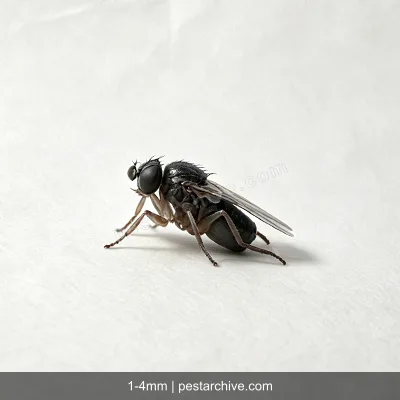
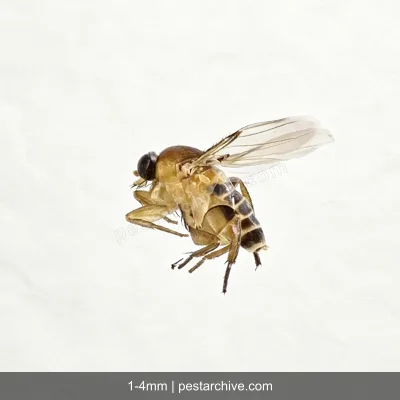
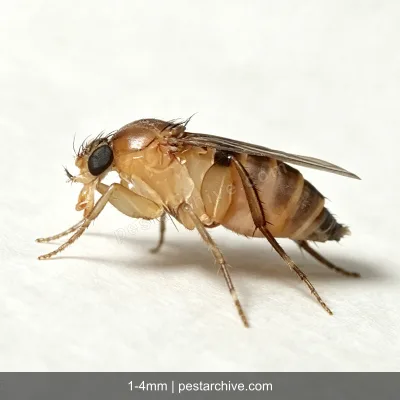
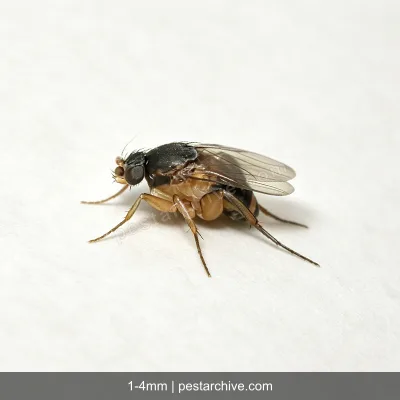
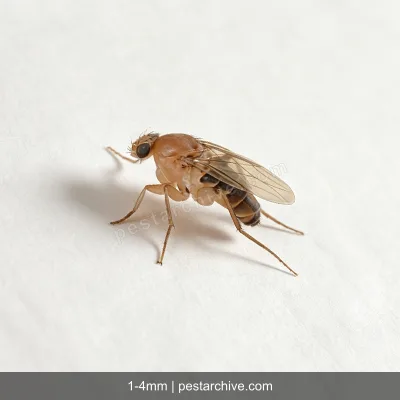
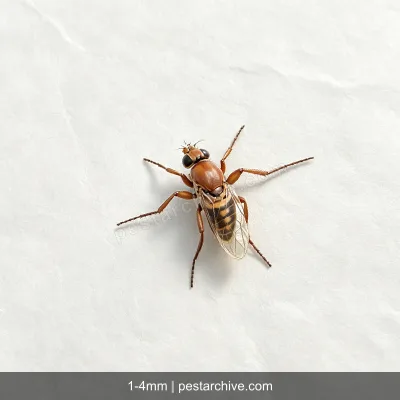
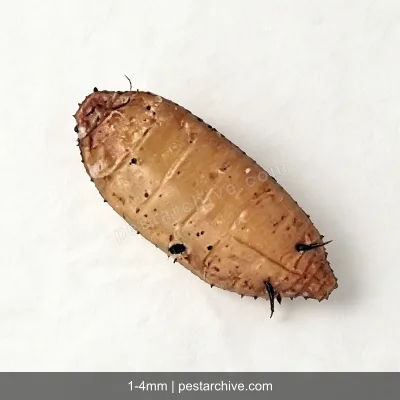
Real scene: In summer, there are always two or three tiny black flies buzzing around the kitchen trash can. They're smaller than fruit flies, and their flight is jerky, like hopping. You change the bag, and the next day it's the same. You open the lid and look inside. There's a sticky residue at the bottom where liquid spilled and dried, and a few small white maggots are wriggling in it. Those are phorid fly larvae.
Quick answer: The breeding cycle in your trash can is clear: liquid and organic matter at the bottom rot, female phorid flies fly in and lay eggs, larvae feed on the rotting material, and in about a week they emerge as adults. Break that cycle with three things: a lid to block adults from flying in, daily trash removal to keep larvae from developing, and weekly scrubbing to remove organic residue from the bottom.
Trash management matters more than spraying
Phorid fly larvae (maggots) can only grow in damp, rotting organic matter. Your trash can is the most concentrated source of rotting organic matter in your kitchen. Manage the can well, and phorid flies lose their breeding ground. If you don't, no amount of adult-killing will help. New adults will emerge from the trash can every day.
How to use your trash can correctly
- Must have a lid: The lid blocks flies from flying in to lay eggs and also reduces the smell of rot that attracts more flies. An open can is a 24-hour egg-laying station.
- Don't wait until it's full: Kitchen scraps left in a warm kitchen for over 24 hours start to rot and ferment, producing volatile organic compounds that phorid flies love. Throw them out the same day.
- Drain liquid from wet waste: Leftover soup, fruit peels, and vegetable leaves should be drained over a strainer before going in the trash, or wrap them in old newspaper. Wet waste is a growth medium for larvae.
- Don't overfill bags: Overfilled bags are more likely to tear when you pull them out. Spilled liquid at the bottom is the starting point for the next fly outbreak.
Regular trash can cleaning
- Frequency: Scrub thoroughly at least once a week. Twice a week in summer. If you smell anything from the can, it means residue at the bottom has started to rot.
- Method: After removing the bag, scrub the inside walls and bottom with hot water and dish soap. Pay special attention to the bottom's indentations and corners. Let it dry completely before putting in a new bag.
- Add a liner at the bottom: Place a piece of old newspaper or a paper towel at the bottom of the can before putting in a new bag. If the bag leaks, the paper will absorb most of the liquid. You can just throw the paper out later.
- Wipe the outside too: If there are splashes on the outside of the can or the lid edge, wipe them clean. These spots can also be feeding sites for phorid flies.
Pesticides: Supplementary but not essential
Once your trash management is solid, the breeding source is cut off. If a few adults still appear, they may be coming from the drain or elsewhere (phorid flies also breed in the organic layer on sewer pipe walls). As a supplement, you can occasionally spray a light layer of residual household insecticide spray around the bottom and outside of the can. But make sure the spray doesn't contaminate food or dishes. The main focus should always be cleaning the can and taking out trash promptly.
Common mistakes
- Mistake 1: Changing the bag is enough. You don't need to wash the can. Fact: If liquid leaked through a torn bag, just changing the bag leaves the residue at the bottom. Larvae will keep growing in that residue.
- Mistake 2: Moving the trash can to the balcony solves the problem. Fact: Moving it just relocates the breeding site. It doesn't remove the breeding conditions. And an outdoor can may attract even more flying insects.
- Mistake 3: There are no phorid flies in winter. Fact: In northern China, indoor heating keeps temperatures above 20 degrees C in winter. Organic waste in the trash can still rots and ferments. Phorid flies can breed year-round.