Should You Kill House Centipedes?
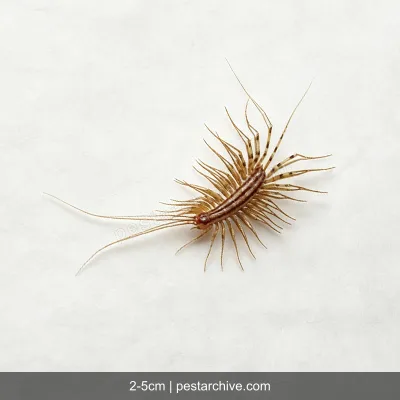
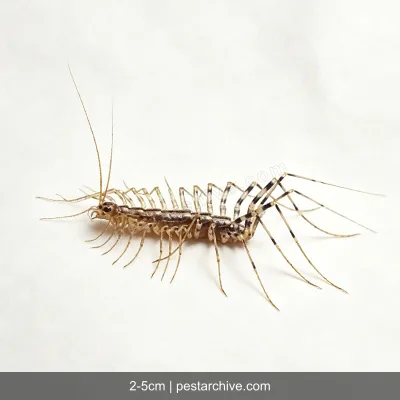
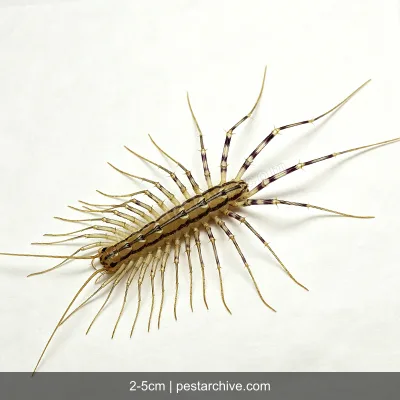
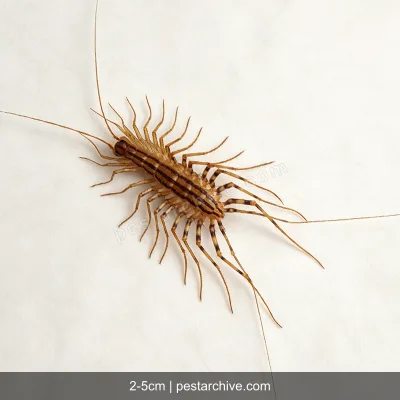
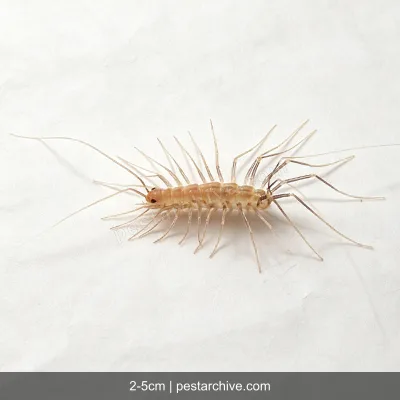
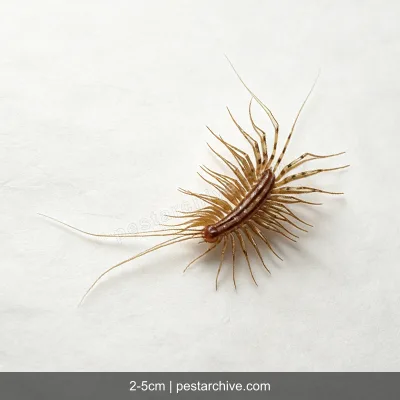
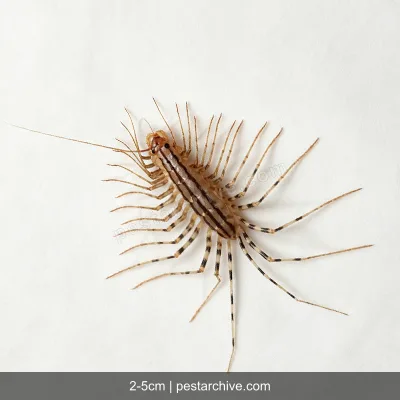
Are House Centipedes Venomous?
House centipedes do have mild venom, but they are nowhere near as dangerous as true centipedes.
House Centipede Venom and Bites
House centipedes are distant relatives of centipedes and have venom claws (forcipules) at the front of their body for catching small prey. They are technically capable of biting humans, but it's extremely rare. The house centipedes you encounter indoors are timid, only want to flee, and have no instinct to attack people.
What Does a Bite Feel Like?
Even in the unlikely event of a bite, it typically causes only localized pain and redness — similar to a mosquito or ant bite — and won't produce serious systemic symptoms. House centipede venom is far weaker than centipede venom — a centipede bite causes intense pain and significant swelling, while a house centipede bite only produces a mild local reaction. The pain usually subsides within a few hours, much shorter than the pain from a centipede bite (which can last hours to a full day).
When to Seek Medical Help?
- In most cases: wash the wound with soapy water and apply an ice pack — that's enough
- If it itches, apply anti-itch cream
- Only see a doctor if you develop severe swelling, fever, or difficulty breathing after a bite
- But these situations are extremely rare — no need for excessive worry
How to Avoid Being Bitten
House centipede bites almost always happen when the centipede is trapped against skin. Shake out your shoes before putting them on, and give your towel a shake before using it — that's all it takes.