Why Do Rove Beetles Appear in the House?
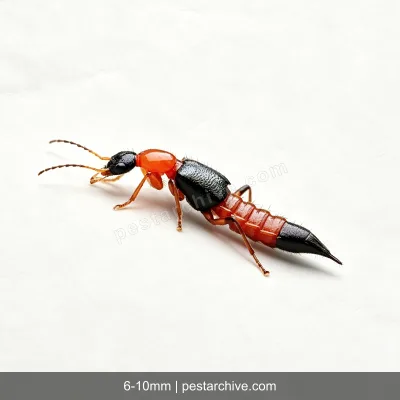
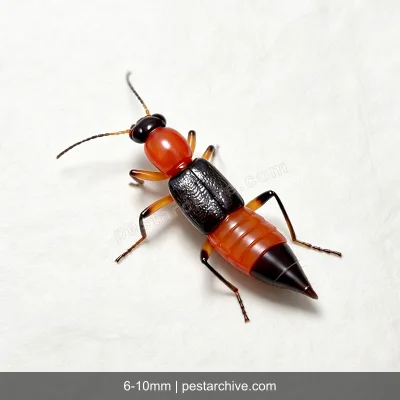
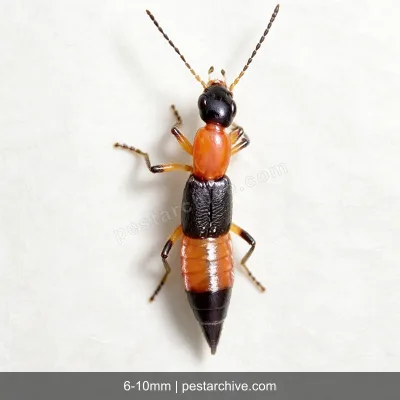
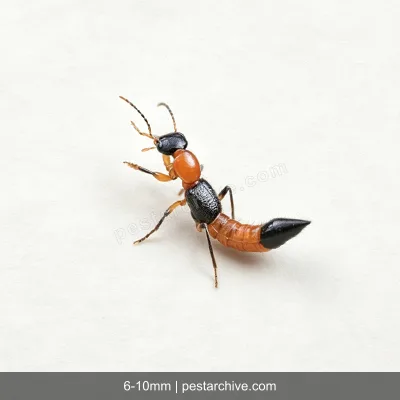
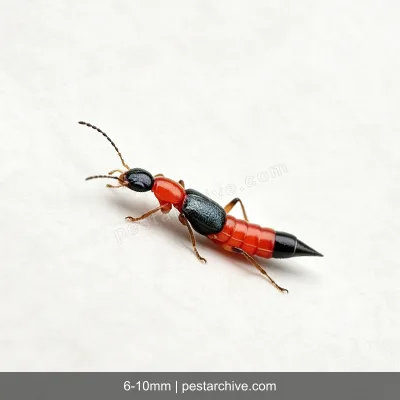
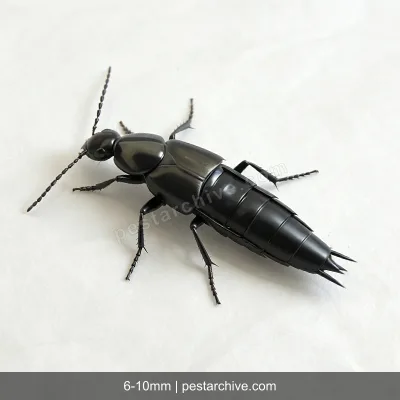
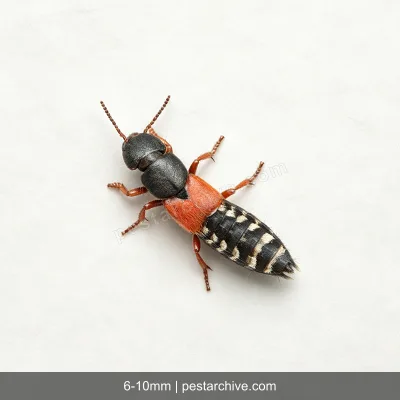
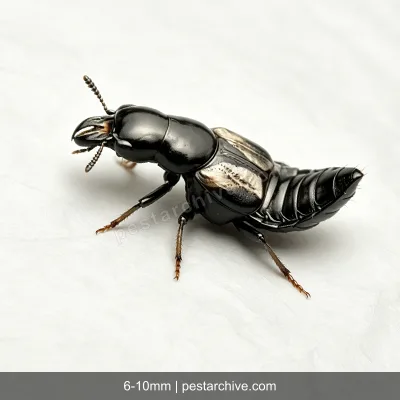
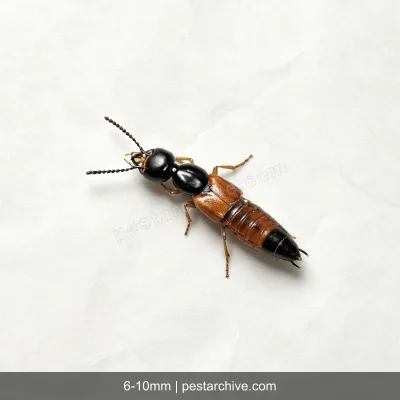
Why Are Rove Beetles Appearing in My Home?
Rove beetles show up indoors for three main reasons: suitable habitat nearby, light attraction drawing them in, and insufficient protective barriers on the house. Understanding the causes helps you prevent them.
Reason 1: Your Surroundings Support Rove Beetles
- If there's grass, flower beds, vegetable gardens, or landscaping around your house, rove beetles have natural habitat
- Ground-floor and lower-level apartments are most vulnerable because they're closest to ground-level vegetation
- Homes near farmland, wetlands, or parks typically have higher rove beetle densities
- Rove beetles are more active after rain because the damp conditions suit them
Reason 2: Light Attraction Brings Them In
Rove beetles are strongly phototactic — at night with lights on inside, open windows become an entry channel:
- White light (fluorescent, cool-white LED) attracts rove beetles more than yellow light
- With lights on near windows, beetles fly directly toward the window
- Without screens — or with damaged screens — they fly straight in
- If the screen mesh is too coarse (below 40 mesh), beetles can squeeze through
Reason 3: Poor Home Sealing
- Large door and window gaps — rove beetles are small and easily pass through narrow openings
- Torn window screens left unrepaired
- Gaps around AC line entries and exhaust fan openings
Seasonal Patterns
- June through October is peak rove beetle season — this is when indoor sightings are most frequent
- Right after rain (especially the first clear night after a stretch of rainy weather) is when rove beetles are most active
- The peak window for indoor entry is dusk to late evening (7 PM to 11 PM)
Seasonal Reasons
The combination of warm temperatures, high humidity, and accelerated reproduction in summer and fall, along with people frequently opening windows for ventilation, gives rove beetles more opportunities to fly inside. This is exactly why rove beetle problems tend to cluster in the summer months.