How to Prevent Drugstore Beetles from Coming Back
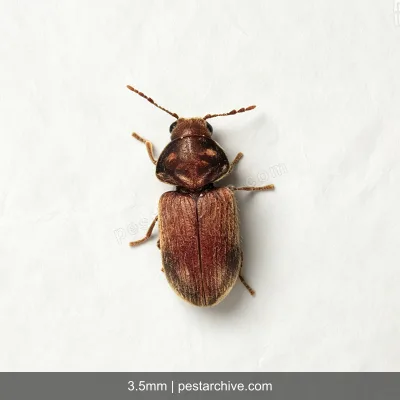
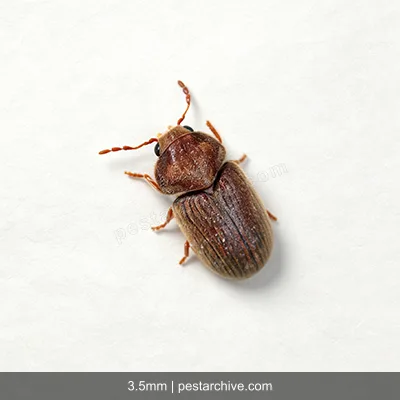
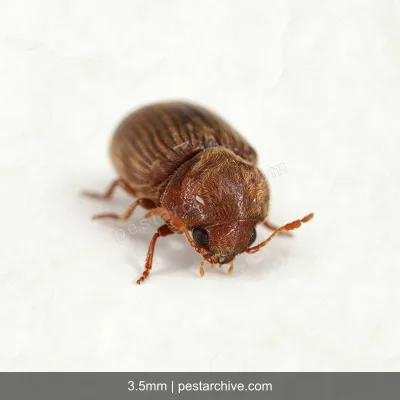
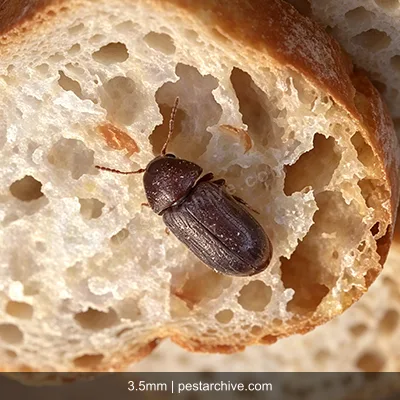
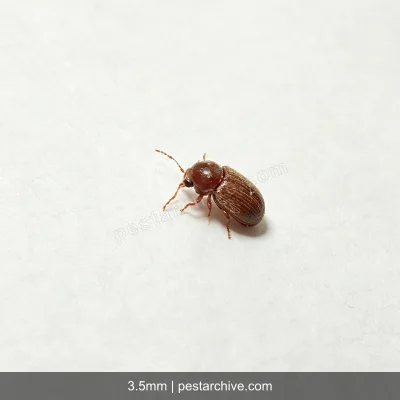
Real scene: Last month you cleared out a whole cabinet of infested herbs. This month, you found another tiny beetle in a bag of tea. You start to wonder if all the dried goods in your kitchen are contaminated. Every time you open the storage cabinet, you feel uneasy.
Quick answer: Drugstore beetles usually come back because eggs or larvae were left behind in cabinet corners from the last cleanup, or because new dried goods brought in fresh eggs. Preventing recurrence takes three things: keep all dried goods in airtight containers forever, freeze new items before storing them, and do a quick weekly cabinet check.
Set up an airtight storage system
Move all opened plant-based dried goods into airtight containers at once. Don't leave anything in its original packaging. This is the foundation of prevention. One unsealed bag can become the next breeding site.
- Choose glass jars with rubber seals and metal clamps, or food-grade plastic containers with snap-on lids. Regular screw-top glass jars aren't airtight enough. Beetles can squeeze through the threads.
- Store each type of dried good in its own container. If one gets infested, it won't spread to others.
- Label each jar with the contents and purchase date so you can track batches.
- Put a food-grade silica gel desiccant packet in each jar. Replace or dry them out every 3 to 6 months.
Process for new items
This is where most people slip up. After cleaning out a cabinet, they relax and put new dried goods straight in, bringing fresh eggs with them.
- Freeze new plant-based dried goods for 48 hours (below -18 degrees C) to kill any eggs they might carry.
- Check them after freezing to confirm they're clean, then transfer them to airtight containers and put them away.
- If you buy a large quantity, you can freeze in batches. Put the frozen ones in containers first. Keep the unfrozen ones in a separate area until they're processed.
Regular inspection routine
- Do a quick weekly scan: open the cabinet and look for any small beetles flying or crawling inside. If you see any, it means one of the containers is active. Check each one.
- Do a monthly spot check: randomly open a few containers and look at the bottom of the contents for powdery debris. Powder is a sign of larval activity.
- Pay special attention in spring and summer. Warmer temperatures speed up egg hatching. From April to September, the risk of recurrence is higher, so increase checks to twice a week.
Pesticides: Not needed
Food and herbs are stored in these cabinets, so using any insecticide inside them is not recommended. If you're worried about residual eggs, empty the cabinet, vacuum the floor and corners thoroughly, wipe with hot water and white vinegar, and let it dry. Physical cleaning is the safest option for storage cabinets.
Common mistakes
- Mistake 1: Once you've cleaned it out, it won't come back. Fact: New dried goods can carry eggs. If you put them straight into the cabinet without pre-treating them, you're reintroducing the source.
- Mistake 2: A clip on a resealable bag is enough. Fact: Clip seals aren't reliable. Drugstore beetles can squeeze through tiny gaps. You need airtight containers.
- Mistake 3: There are no drugstore beetles in winter. Fact: In heated indoor spaces in northern China, winter temperatures are still above 20 degrees C. Drugstore beetles can be active year-round. Even more so in the south.
Summary for preventing recurrence
Three habits will permanently keep drugstore beetles away: airtight storage is the rule, freezing new items is the checkpoint, and weekly checks are the insurance. Once these habits are in place, drugstore beetles won't get a chance to establish a population in your kitchen.
* * * 9. How to Clean Mold to Prevent Springtails