How to Prevent Drugstore Beetles in Your Home
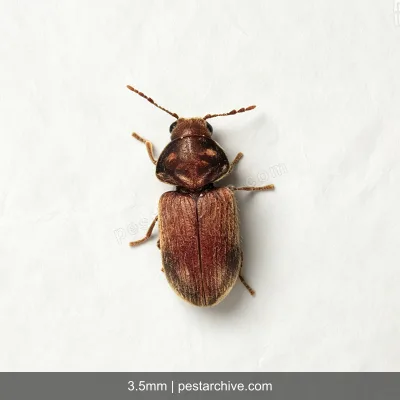
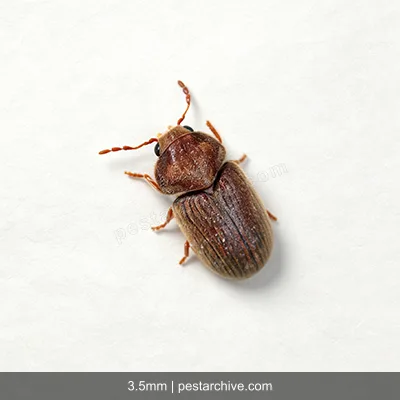
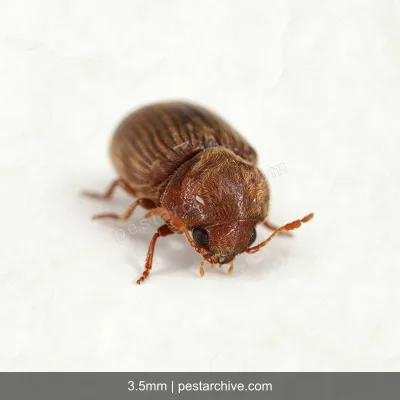
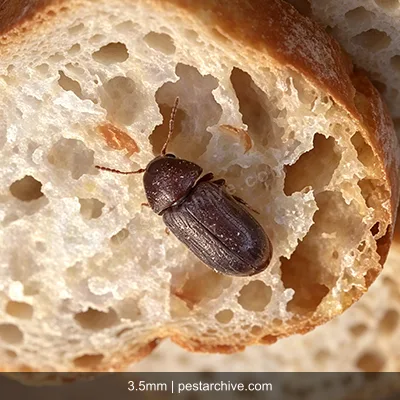
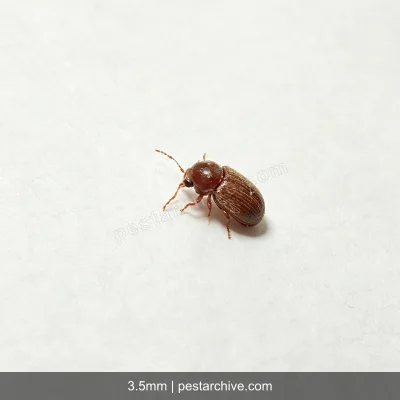
Real scene: You open a bag of goji berries or dried chili peppers that's been sitting in the cupboard for months. Inside, a few tiny brown beetles are crawling around. There's a fine powder at the bottom of the bag. You toss the whole thing out, but you can't help wondering: Are the other dried goods in the cupboard also infested?
Quick answer: Drugstore beetles (also called herb beetles) usually have their eggs already inside the dried goods before you even buy them. Prevention comes down to three checkpoints: freeze new dried goods for 48 hours to kill eggs, transfer all opened items to airtight containers, and keep cabinets dry and ventilated. If you find adult beetles in something, seal it and throw it out right away. Don't try to pick them out or wash them.
Where drugstore beetles come from
Drugstore beetles are a common stored-product pest found worldwide. Adults are 3 to 4 mm long, reddish-brown, slow-moving, and play dead by curling up when disturbed. Their diet is extremely broad: herbs, tea, dried chili peppers, goji berries, dates, biscuits, grains, pet food, and dried plant specimens are all on the menu. Adults can fly and are attracted to light. You might see them by windows during the day.
In most cases, the eggs are already inside the product from production, packaging, or warehousing. In warm, humid conditions (above 25 degrees C and relative humidity above 60%), the eggs hatch. Larvae burrow inside the dried goods and feed, leaving behind powdery droppings. The full life cycle from egg to adult takes about 30 to 50 days. By the time you see the adults, the larvae have already been feeding for a while.
Step 1: Pre-treat new items
- Don't put newly purchased herbs, tea, dried chili peppers, or other plant-based dried goods straight into the cupboard. Put them in the freezer at -18 degrees C for 48 hours. This temperature and duration kill most stored-product pest eggs and larvae.
- After freezing, take them out and let them come to room temperature. Check for any live insects or signs of damage. Only put them away once you're sure they're clean.
- For small amounts of expensive herbs that can't be frozen (like cordyceps or bird's nest), inspect them carefully and store them in an airtight jar with a food-grade desiccant packet.
Step 2: Airtight storage
- All opened dried goods must be transferred to airtight containers: glass jars with rubber seals, food-grade plastic containers with snap-on lids, or vacuum-sealed bags. The original plastic and paper packaging doesn't keep bugs out.
- Store different types of dried goods separately. If one gets infested, it won't spread to others.
- Put a food-grade silica gel desiccant packet in each container to keep the inside dry. Drugstore beetles struggle to reproduce in environments with relative humidity below 40%.
- Seal the container immediately after each use. Don't leave it open.
Step 3: Cabinet environment management
- Place your storage cabinets in a dry, well-ventilated area, away from the stove and sink. Keep the inside of the cabinet relatively dry. Use a moisture absorber box if humidity is high.
- Open the cabinet doors for a few hours each month to let air circulate, and check for any adult beetles that may have flown out.
- Don't overpack the cabinet. Leave some space for air to flow.
- Place a piece of cedar or camphor wood inside the cabinet. The volatile compounds they release have some repellent effect on stored-product pests. Make sure the camphor wood doesn't come into direct contact with food.
What to do if you find an infestation
If you find adult beetles or larvae in a bag of dried goods:
- Seal the entire bag in a plastic bag and take it straight to the outdoor trash. Don't open it and check inside your kitchen. Adults can fly out and spread to other items.
- Check nearby dried goods for signs of infestation, especially for powdery debris on the cabinet floor.
- Empty the infested cabinet. Vacuum up all the dust and debris from the floor and corners. Seal the vacuum bag and discard it immediately. Then wipe all surfaces in the cabinet with hot water, let them dry, and put items back.
Common mistakes
- Mistake 1: Picking out the beetles and eating the rest is fine. Fact: Infested dried goods are already contaminated with larval droppings and shed skins. You can't see the eggs they've laid with the naked eye. It's best to throw the whole bag out.
- Mistake 2: Keeping them in the fridge is enough. Fact: Refrigeration (at about 4 degrees C) only slows down egg hatching. It doesn't kill them. Only freezing (below -18 degrees C) for over 48 hours can kill them completely.
- Mistake 3: Insects in herbs are normal. Fact: Stored-product pests indicate improper storage conditions. Long-term infestation can reduce the quality and effectiveness of herbs. Some infested herbs may also develop mold.