How to Get Rid of Chiggers in Your Yard
What Are Chiggers and What Harm Do They Cause?
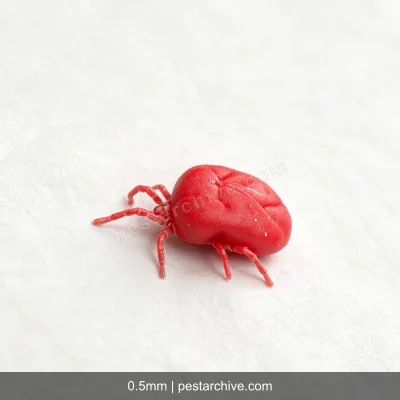
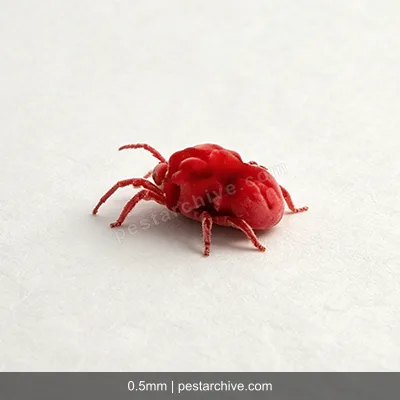
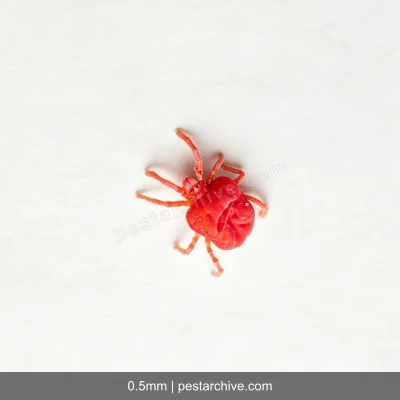
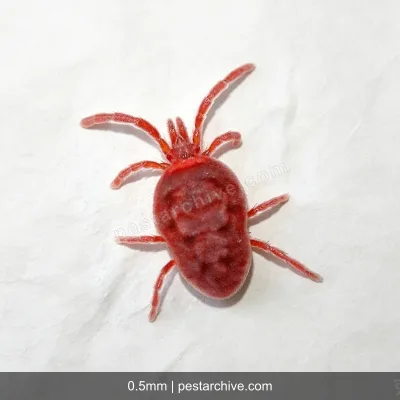
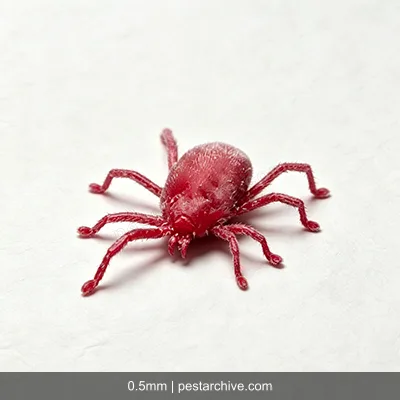
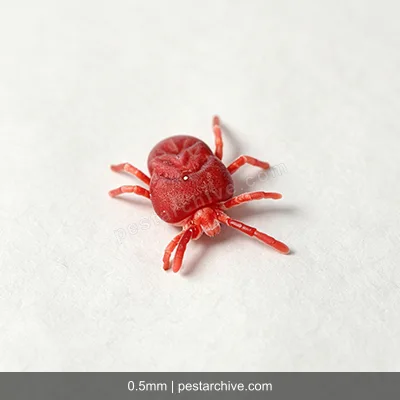
Chiggers are extremely tiny mites in the family Trombiculidae. The harm comes primarily from their larval stage.
Chigger Appearance and Habits
- Adult chiggers live in the soil, feeding on plants and small insects. They do not bite people or animals.
- Only chigger larvae (about 0.2-0.5 mm, smaller than the tip of a pin) bite people and animals to feed on blood.
- Larvae typically cluster on the tips of grass blades, waiting for a host to brush past so they can climb on.
Harm from Chigger Bites
- Intense itching -- After a chigger larva bites, the skin develops red papules that itch severely.
- Skin damage -- Scratching can break the skin, leading to infection and secondary dermatitis.
- Scrub typhus (the most serious risk) -- Chiggers carrying *Orientia tsutsugamushi* can transmit scrub typhus through their bite.
- Incubation period: about 4-21 days (typically 10-14 days).
- Classic signs: sudden high fever (39-40 deg C / 102-104 deg F), a black eschar at the bite site, and a full-body rash.
- In severe cases, multiple organs may be affected (pneumonia, myocarditis, meningitis, etc.).
- When caught early, antibiotic treatment (doxycycline) is highly effective.
Symptoms to Watch For
If you develop an unexplained fever after spending time outdoors and notice a black, scab-like bite mark on your body, see a doctor promptly and let them know you have been in grassy or wooded areas.