Can Cigarette Beetles Damage Ginseng?
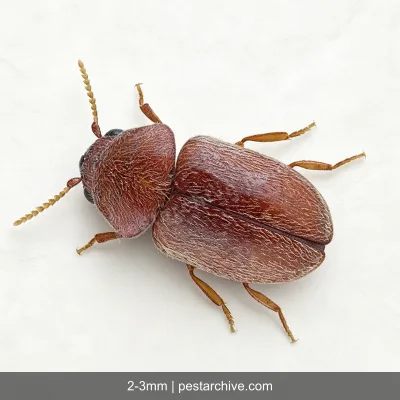
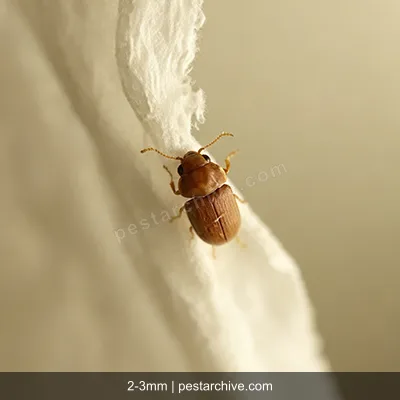
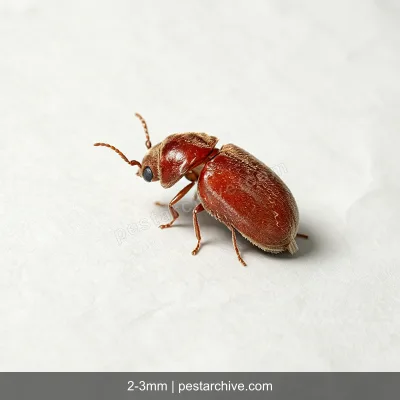
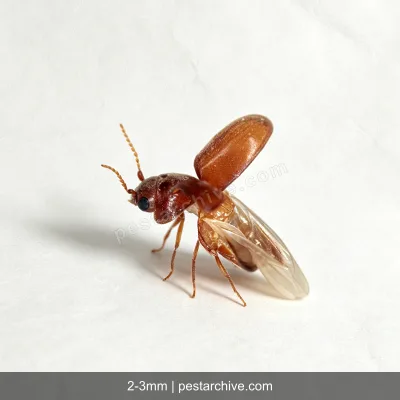
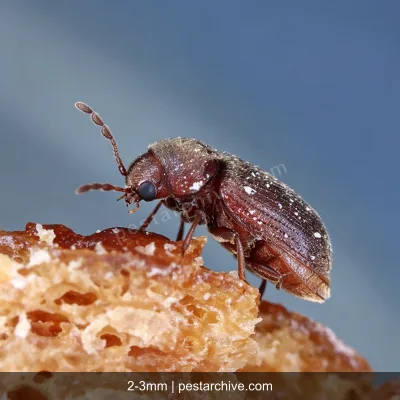
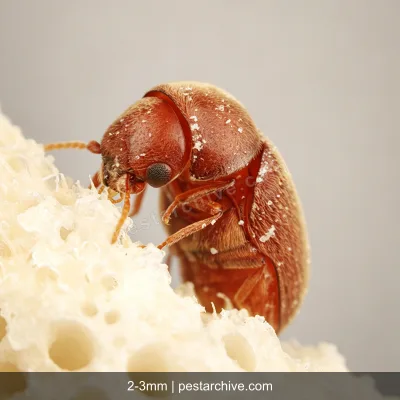
Do Cigarette Beetles Damage Ginseng?
Yes, and the damage can be severe. Ginseng and other valuable root-based medicinal herbs are among the cigarette beetle's favorite targets.
Why Is Ginseng So Attractive to Cigarette Beetles?
- Ginseng is high in sugar and oil content — nutrient-rich
- The texture is relatively loose, making it easy for larvae to bore in
- The aroma of ginseng attracts cigarette beetles
- The moisture content of dried ginseng is suitable for larval growth
How Cigarette Beetles Destroy Ginseng
Larvae bore into the root body:
- Enter through wrinkles or damaged spots on the surface
- Excavate curved tunnels inside the root
- Eat and defecate as they go, contaminating the interior
- In severe cases, the entire root is hollowed out into powder
Other Valuable Herbs at Risk
Not just ginseng — the following herbs are equally susceptible to cigarette beetle attack:
- Codonopsis root (Codonopsis pilosula), Pseudostellaria root
- Chinese angelica root (Angelica sinensis)
- Astragalus root (Astragalus membranaceus)
- American ginseng (Panax quinquefolius)
- Notoginseng (Panax notoginseng)
How to Protect Valuable Medicinal Herbs
- Airtight jar storage — store in glass airtight jars with lids tightly closed. You can add a small food-grade desiccant packet inside the jar.
- Refrigerate or freeze — best method: place in the refrigerator (0–5°C / 32–41°F) or freezer (-18°C / 0°F). Low temperatures completely prevent egg hatching.
- Vacuum packing — after vacuum-sealing, air is excluded and cigarette beetles cannot survive.
- Inspect regularly — check every week or two for pinhole-sized bore holes or powder on the surface.
- Buy small quantities — use valuable herbs while they're fresh; don't stockpile.
How to Tell If Ginseng Is Already Infested
It may not be obvious from the surface, because larvae start boring from the inside. Inspection methods:
- Tap the ginseng gently — if powder falls out, the interior has already been bored
- Squeeze the root body — if a spot feels soft or hollow, tunnels likely exist inside
- Hold the ginseng up to light — if you see semi-transparent pinholes or shadows, there are bore holes
A Reminder
Ginseng is expensive — it would be a shame to lose it to cigarette beetles. After purchase, store ginseng directly in the refrigerator (0–5°C / 32–41°F) — this keeps it fresh and pest-free. For dried ginseng intended for long-term storage, the freezer is even safer.