What Are the Dangers of Cigarette Beetles?
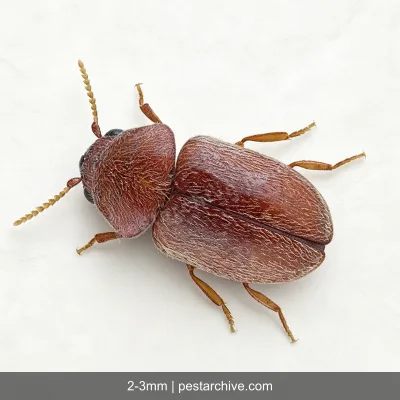
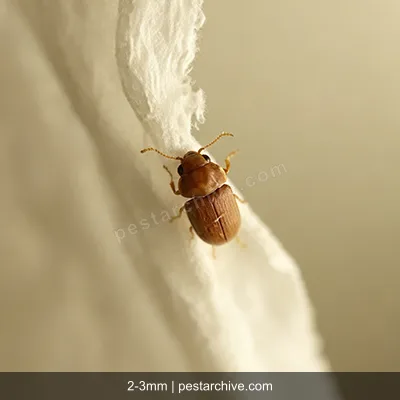
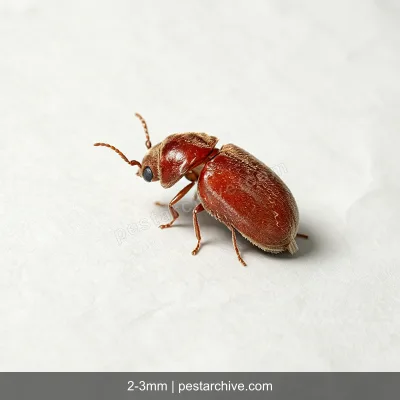
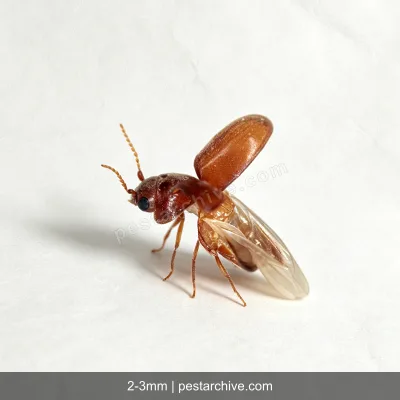
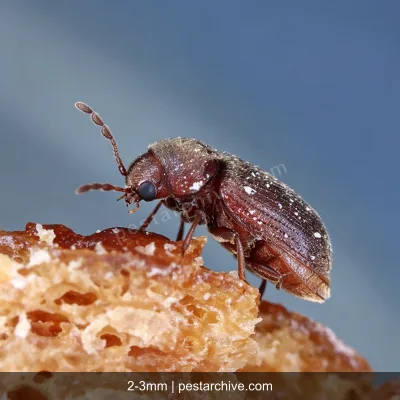
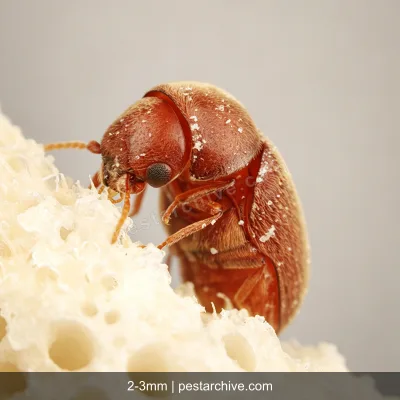
What Damage Do Cigarette Beetles Cause?
Cigarette beetles don't bite, but the damage they inflict on household food and valuable medicinal herbs is nothing to take lightly.
Damage to Food
Cigarette beetle larvae chew through herbs and dry goods, riddling perfectly good items with holes:
- The inside of the food is tunneled out
- Mixed with insect droppings and shed skins
- Produces large amounts of powder
- Contaminated food becomes inedible
Damage to Valuable Medicinal Herbs
Ginseng, Codonopsis root, Chinese angelica root, and other prized herbs are especially attractive to cigarette beetles. Larvae bore into the root body, excavate numerous tunnels, and contaminate it with droppings. In severe cases, an entire ginseng root is hollowed out into powder. For a collection of valuable dried herbs, the loss can be enormous.
Damage to the Tobacco Industry
Cigarette beetles are a notorious pest in the tobacco industry:
- Bore into tobacco leaves, reducing quality
- Lay eggs in tobacco leaves, contaminating the product
- Cause huge economic losses
Environmental Contamination at Home
During a severe home infestation:
- Adults fly and crawl everywhere, contaminating storage cabinets
- Food crumbs and insect droppings are scattered throughout the cabinets
- Creates a huge cleaning headache
- Can spread to other foods
Economic Impact
Cigarette beetles may be small, but they pack a destructive punch. Contaminated food must be thrown away. dried herbs are expensive (a single good ginseng root can cost hundreds of dollars). The losses add up. Plus cleanup means going through every storage cabinet — time-consuming and exhausting.
How to Judge If Food Is Still Edible
When you find cigarette beetles, use these criteria:
- Throw away: anything with larvae, droppings, silk webbing, or powdery frass — don't hesitate
- Can keep: food with a clean surface, no infestation signs, and a good seal — safe to keep
- Not sure: freeze at -18°C (0°F) for a full week to kill any hidden eggs, then use
The Value of Early Detection
If you act the moment you see one flying adult, you usually only need to throw away one or two infested packages. But if you wait until adults are everywhere, you might have to discard half a cabinet's worth of dry goods. So glance at your storage regularly — it could save you a lot of money.
The Value of Prevention
It's much better to prevent infestations than to deal with them after the fact. Spending a little time sealing your dry goods properly saves you a ton of trouble later.