Where do centipedes prefer to hide?
Where do centipedes prefer to hide?
Centipedes like damp, warm, dark, and creviced environments. Both indoors and outdoors have favored hiding spots; knowing these locations enables precise control.
Common indoor hiding places
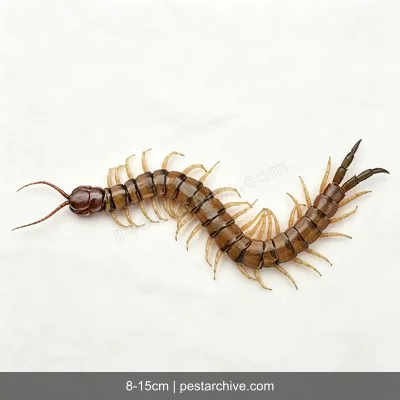
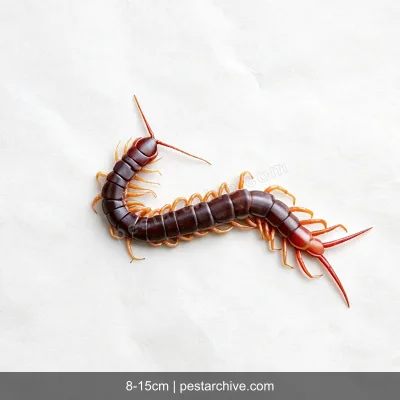
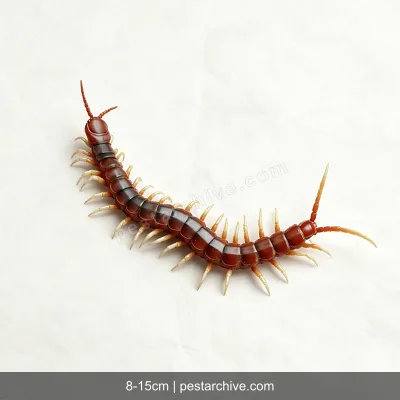
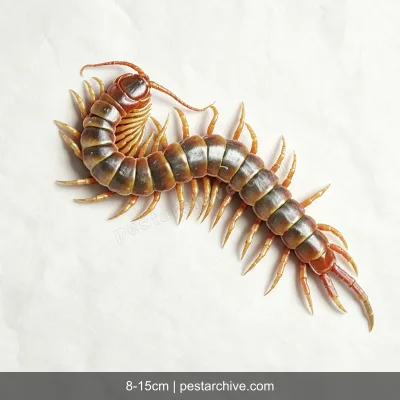
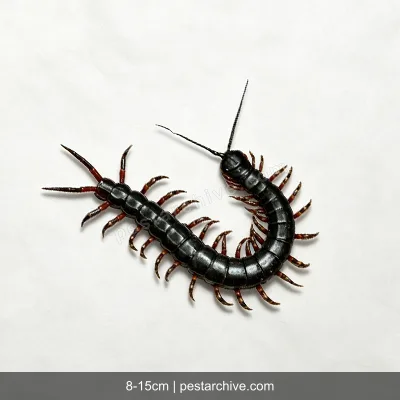
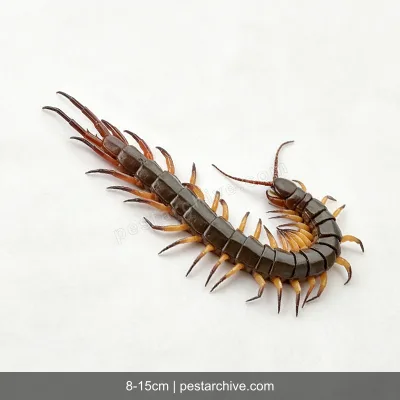
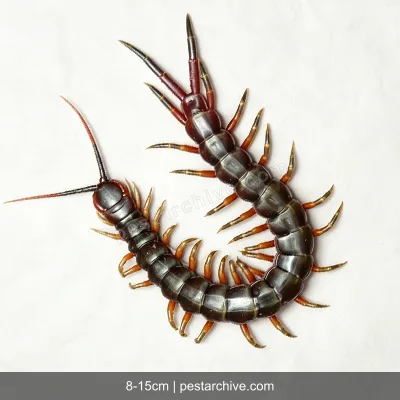
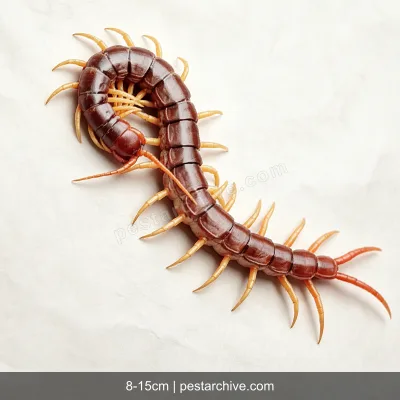
- Bathroom, wall and floor corners, under the sink cabinet, behind the toilet, these damp, dark spots are preferred. Common centipedes in China range from 6-15 cm in length; these sizable creatures can be easily missed in corners.
- Around the washing machine, gaps between the machine and the wall, damp and undisturbed, are ideal habitats.
- Under the kitchen sink cabinet, pipes running through, often damp and rarely disturbed.
- Basements and storage rooms, poorly ventilated, cluttered with boxes and debris, allowing long-term hiding.
- Door and window gaps, especially the bottom of doors; centipedes' flat bodies can squeeze through very narrow gaps.
Common outdoor hiding places
- Under bricks, tiles, and stones stacked against walls.
- Under flower pots and between pot trays.
- In piles of rotting leaves and weeds.
- Under logs and firewood piles.
- In foundation cracks and crevices.
How to detect centipede activity?
- Find shed skins (translucent, thin shells) in corners or along walls.
- Presence of small insects in damp corners, food sources for centipedes.
- At night, use a flashlight to scan corners; centipedes are nocturnal foragers.
- Centipedes are most active at 20-25°C and above 70% humidity; spring and summer are peak discovery periods.
Targeted control
After locating potential hiding spots, spray bifenthrin-containing household insecticide in these areas. Once dry, the film kills centipedes that crawl over it; residual effect lasts about 2-4 weeks.