Do Fleas Live on People?
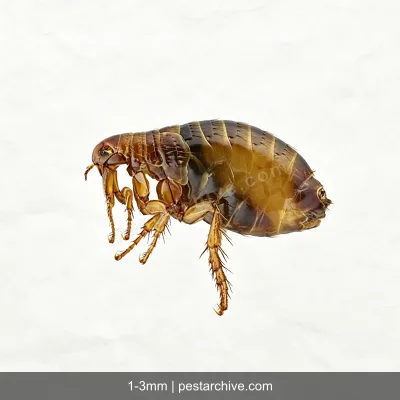
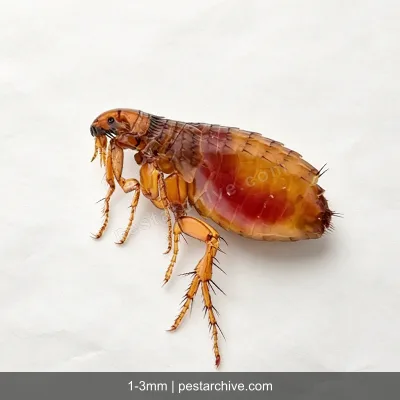
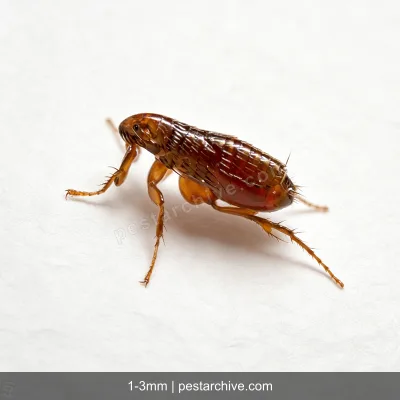
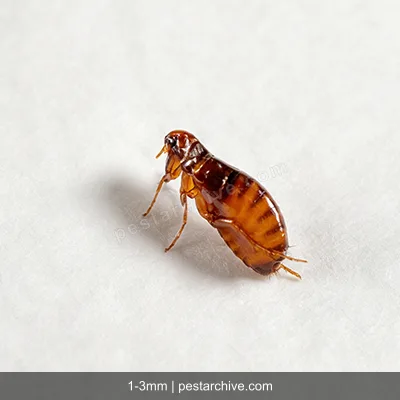
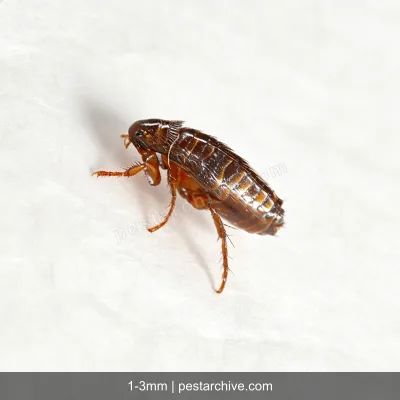
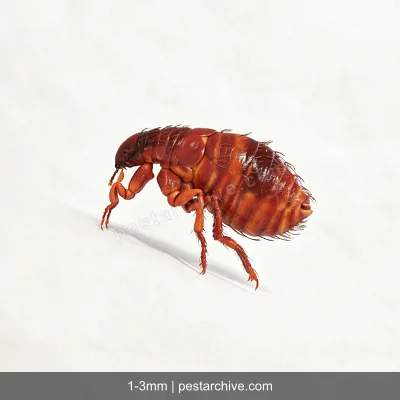
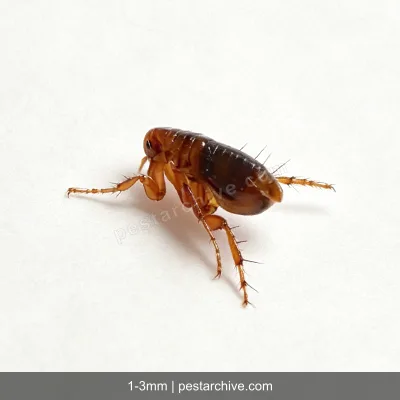
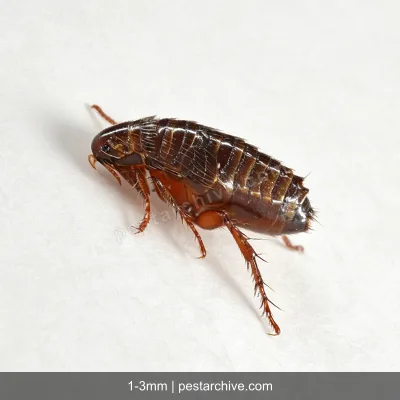
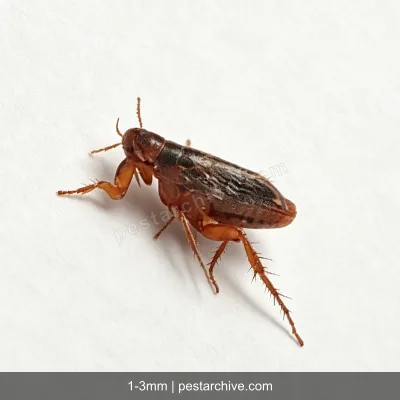
Real scene: Every morning you wake up with a few new red, itchy bumps around your ankles. You search your bed and can't find any bugs. You start to wonder if it's fleas. But you don't have pets. How could fleas bite only you and not others? And if they are fleas, are they living on you?
Quick answer: Fleas don't live on people. Unlike lice, they don't use hooked claws to grip onto hair and stay long-term. Fleas live in the environment where the host rests (pet bedding, carpets, floor cracks). They jump onto the host to feed for a few minutes to over ten minutes, then jump back into the environment. Human blood can sustain them, so they will bite people. But human skin is smooth with no hair for them to grip, so they can't settle on people permanently.
How fleas live
Adult fleas need blood for nutrition and reproduction. A female flea can lay 4 to 8 eggs after each blood meal and up to 400 to 500 eggs in her lifetime. Eggs aren't laid on the host. They're laid in the environment where the host rests: pet bedding, carpet fibers, floor cracks, and sofa crevices. Eggs hatch into larvae, which feed on organic debris and adult flea droppings (dried blood) in the environment. So the majority of a flea population (eggs, larvae, and pupae) is in the environment, not on the host. Adult fleas spend only about 5% of their time on the host feeding. The other 95% is spent in carpets and pet bedding.
Why fleas bite ankles and lower legs
Fleas jump about 15 to 20 cm high, which is roughly the height from the floor to your ankle or mid-calf. They live in carpets and floor cracks, detect human odor and body heat, jump out, and land on the nearest skin: ankles, lower legs, and tops of feet. That's why flea bites have a characteristic distribution. Most are concentrated around the ankles and the lower third of the legs. They rarely appear above the waist.
Fleas without pets
Homes without cats or dogs can still have fleas. Possible sources: the previous owner or tenant had pets, and flea pupae stayed dormant in carpets and floor cracks. Your movement and body heat after moving in triggered them to emerge. Or fleas from outdoor environments were brought in on shoes and pant legs. Or there are rodents (rats, squirrels) nearby, and their nests may harbor fleas.
Treatment focus: Environment where people spend time, not the human body
Since fleas don't live on people, the core of treatment is removing the flea population from the environment:
- Vacuum all carpets, floor cracks, under sofas, and under beds thoroughly. Do this daily for a week. Vacuum vibration stimulates pupae to emerge early, exposing adults.
- Wash all sheets and duvet covers in hot water above 60 degrees C and dry on high heat.
- Pet bedding and resting areas are priority spots. Wash in hot water and sun-dry.
- Seal and discard the vacuum bag immediately after each use.
When to call a pro
If you still have new bites after 3 rounds of whole-house treatment (7 to 10 days apart each), the flea population has established a stable breeding cycle indoors. You may need a licensed professional to do heat treatment or use stronger residual sprays.
Common mistakes
- Mistake 1: Fleas make their home on people. Fact: Fleas don't live on people like head lice or body lice. Humans don't have enough hair for fleas to grip.
- Mistake 2: No pets means no fleas. Fact: Fleas can be brought in from outdoors, left by previous occupants, or come from nearby rodents.
- Mistake 3: Flea bites require anti-parasite medication. Fact: People don't need oral or topical anti-parasite drugs for flea bites. Apply anti-itch cream for symptom relief. The focus should be on treating the flea source in the environment.