How to Clean Mold to Prevent Springtails
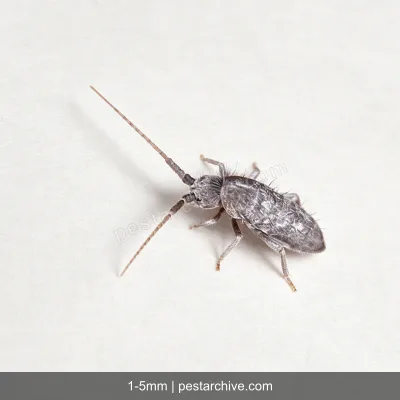
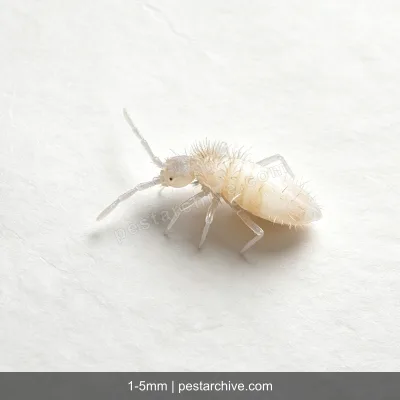
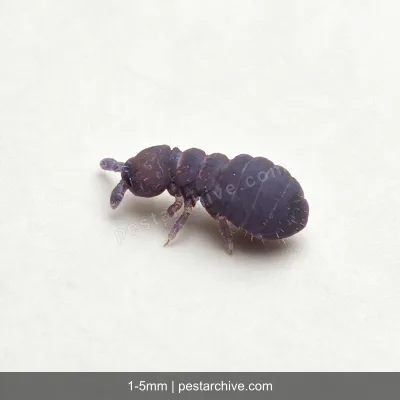
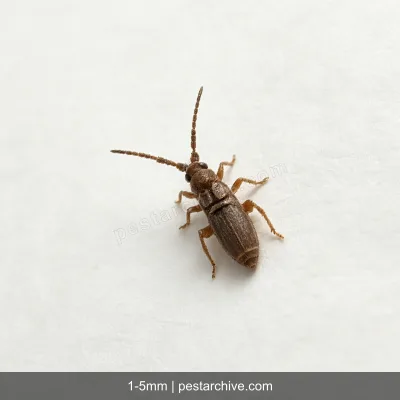
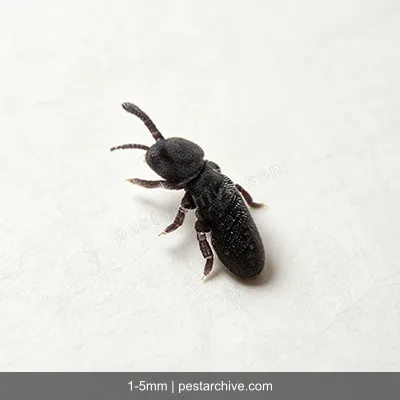
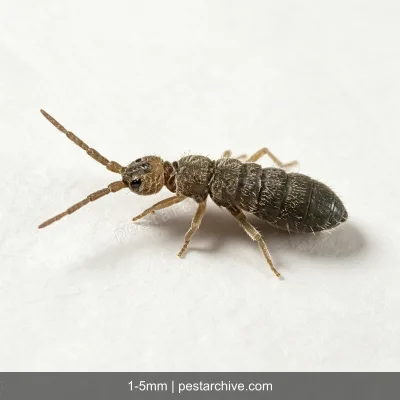
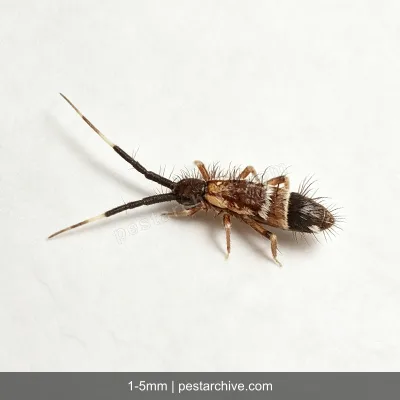
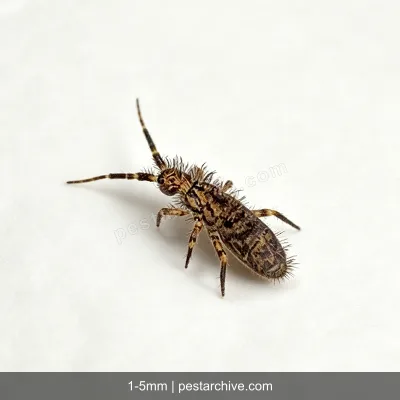
Real scene: Black mold spots have grown in the grout lines of your bathroom floor tiles. Around the mold, clusters of grayish-white tiny insects crawl. They spring away when you bring your hand near. You sprayed insecticide and the bugs decreased for a few days. But the mold is still there, and a new batch of springtails has appeared. Springtails and mold are bound together. If you don't remove the mold, springtails won't truly go away.
Quick answer: Springtails feed on mold and fungi. Where there's mold, springtails have an endless food supply. Removing mold is the prerequisite for getting rid of springtails. Scrub hard surfaces with a mold cleaner, throw away moldy wood and cardboard, and keep the area dry afterward to prevent mold from returning. Killing springtails without removing mold is like cleaning the dining room while the kitchen keeps serving food.
Why springtails and mold always appear together
Springtails' primary food is mold hyphae, fungal spores, and decaying organic matter. The conditions that cause mold (damp, warm, poor ventilation) are also ideal for springtails. So they always appear together. When you see springtails on mold, they're feeding on it, not just passing by.
Mold removal methods for different surfaces
- Wall mold: Spray mold remover on the spots and let it sit for 10 to 15 minutes to penetrate. Then wipe off with a damp cloth. If you don't have a commercial mold remover, you can use diluted white vinegar (1 part vinegar to 1 part water). After wiping, dry the wall with a dry cloth. Don't just spray without wiping. Dead mold residue can still be food for springtails.
- Tile grout and sink edges: If mold has penetrated deep into the grout, use an old toothbrush dipped in mold remover or diluted bleach (1 part bleach to 10 parts water) to scrub the lines vigorously. Rinse with clean water and pat dry with a cloth. If mold keeps coming back in the grout, you may need to re-grout or re-caulk.
- Moldy wood and cardboard: Mold has already penetrated the material. Surface cleaning won't be thorough enough. Throw them out and replace them. Old bookshelf backs, cabinet bottoms, and stacked cardboard boxes are prime breeding grounds for mold and springtails.
- Curtains and fabrics: If the bottom of curtains or shower curtains has mold, remove them and wash in water above 60 degrees C with detergent, or soak in diluted bleach for 30 minutes before washing.
Drying measures after cleaning
Mold removal is only the first step. Keeping things dry is how you stop mold from coming back:
- Run a dehumidifier or use the air conditioner's dehumidifying mode in the cleaned area for 24 to 48 hours to bring relative humidity below 50%.
- Place moisture absorber boxes or silica gel desiccants in closets and cabinets. Replace them regularly.
- Improve ventilation: install exhaust fans in bathrooms, use range hoods in kitchens, and open closet doors regularly to let air circulate.
- Check for and fix leaks: dripping faucets, seeping pipe joints, and wall moisture are all continuous sources of dampness.
Pesticides: Secondary and limited
Springtails have some tolerance to pesticides. And as long as mold remains, new springtails will keep coming in from the environment. If a few springtails remain after mold removal, you can spray a residual household insecticide spray in the crevices and tile joints where they appear as a supplement. But the main focus is always mold removal and drying. Spraying is not the real solution.
When you need a dehumidifier
If you regularly see condensation on walls, if clothes in the closet feel damp and cold, or if books and paper start to warp, your indoor relative humidity is consistently above 70%. Under these conditions, mold and springtails are very hard to eliminate. Consider buying a dehumidifier and setting it to automatically maintain humidity at 50% to 55%.
Common mistakes
- Mistake 1: Spraying insecticide gets rid of springtails. Fact: If the mold remains, their food source is still there. Spraying only temporarily kills visible adults. Eggs and newly hatched nymphs will appear again in a few days.
- Mistake 2: Wiping mold with bleach once solves the problem permanently. Fact: Bleach only kills surface mold. The mold hyphae that have penetrated into the wall or wood aren't removed. They'll grow back to the surface in a few weeks.
- Mistake 3: There are no springtails in winter. Fact: In heated indoor spaces, winter is still warm. If the bathroom or kitchen has localized dampness and mold, springtails can be active year-round.