How to Prevent Springtails in Your Home
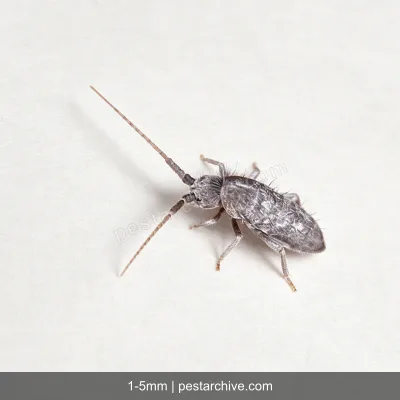
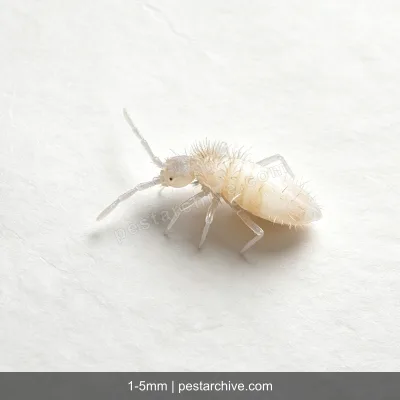
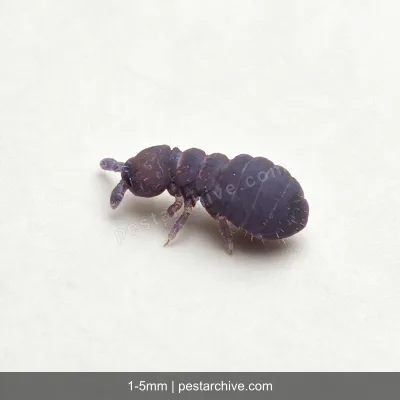
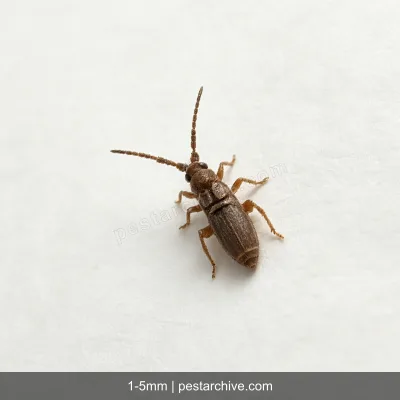
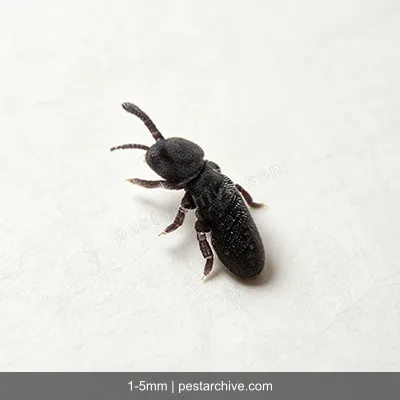
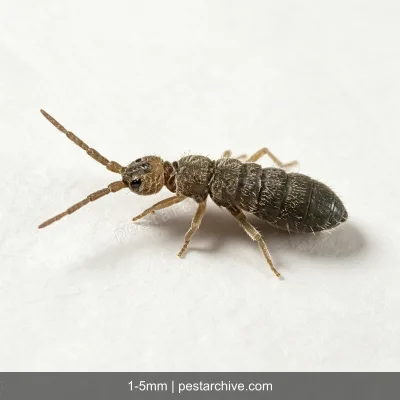
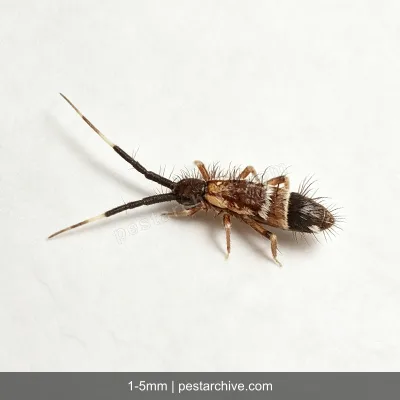
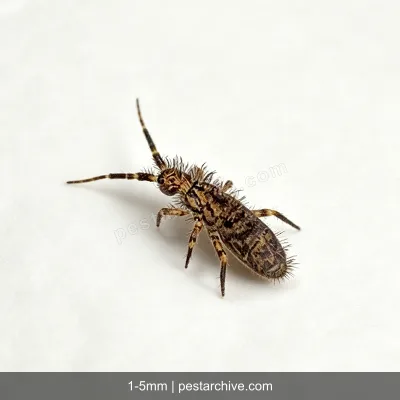
Real scene: You reach into the cabinet under your kitchen sink to grab the dish soap. The cabinet floor is damp. A few grayish-white tiny insects are hopping around nearby. You touch the cabinet floor. It feels soft from moisture. You can't help thinking: Has this cabinet never really dried out?
Quick answer: Springtails can only survive in environments with relative humidity above 60%. Keep your home's humidity at 50% to 55% or lower, and springtails will die off on their own. Key areas to watch: kitchen sink cabinets, bathroom corners, water in plant saucers, and damp walls near AC drain pipes. Drying things out is the only permanent solution.
Why humidity is the key to springtail control
Springtails have thin bodies and lose moisture quickly. They'll dehydrate and die within hours in a dry environment. That's why you only ever find them in damp corners, never on sunny, dry windowsills or near radiators. Lowering humidity isn't a supplement. It's the most effective strategy against springtails.
Area-by-area moisture control plan
Kitchen
- After cooking, leave the range hood running for an extra 5 to 10 minutes to vent out steam.
- Open the sink cabinet doors for 1 to 2 hours daily to let air circulate. If the cabinet floor is already damp and soft, replace it first, then put a moisture absorber box inside.
- Check pipe joints under the sink for slow leaks. Even a tiny drip can keep the cabinet damp long-term.
- Wipe up water around the sink edge after each use. Don't let water sit on the counter edge or caulk line.
- Use a trash can with a lid. Take kitchen scraps out daily. Don't leave them overnight. Wet waste is a breeding medium for mold and springtails.
Bathroom
- After showering, run the exhaust fan for 15 to 20 minutes and keep the door closed to prevent moisture from spreading to bedrooms and living areas.
- Spread the shower curtain out to dry. Don't leave it bunched up. The bottom edge is prime real estate for mold.
- If there's standing water on the floor, squeegee it dry. Don't let it evaporate on its own.
- If tile grout is consistently damp and moldy, it means water sits on the floor too long. Increase ventilation or use a dehumidifier.
- Put a moisture absorber box under the bathroom vanity too. It's just as vulnerable as the kitchen sink cabinet.
Potted plants
- Empty the saucer under each pot after watering. Don't let pots sit in water. Standing water breeds not only springtails but also fungus gnats.
- Cover the soil surface with a 1 to 2 cm layer of coarse sand or clay pebbles. Springtails find it hard to crawl or feed on dry, rough surfaces.
- If the soil in a pot is heavily infested, stop watering for a week and let the top layer dry out completely. Most springtails will die off.
Air conditioning and dehumidifiers
- Check the AC drain pipe connection for leaks. Many damp, moldy corners near AC units are caused by loose or cracked drain pipes.
- Empty the dehumidifier water tank daily. Don't let water sit in it for days.
Pesticides: Supplementary
After you've addressed moisture and drying, if a few springtails still remain, spray a residual household insecticide spray in the crevices where they appear. This can speed up their removal. But if humidity hasn't been brought down, spraying will have very limited effect. Springtails will keep coming from other damp corners.
Common mistakes
- Mistake 1: Springtails are caused by poor cleanliness. Fact: Springtails have nothing to do with cleanliness. They're all about humidity. A spotless bathroom that stays damp long-term can still have springtails.
- Mistake 2: One spray application solves the problem permanently. Fact: In a damp environment, insecticide residual effectiveness shortens, and springtail eggs hatch quickly. A new batch can appear in a week. Humidity control is the permanent solution.