How to Get Rid of Spider Mites on Plants?
What Are Bryobia Mites?
Bryobia mites are tiny mites in the Tetranychidae family — close relatives of spider mites. They cluster on plant leaves and tender shoots, sucking sap, and are a common garden pest.
What Do Bryobia Mites Look Like?
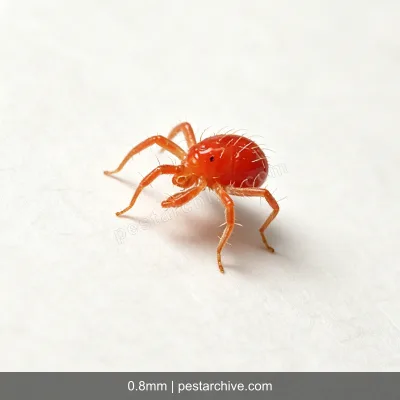
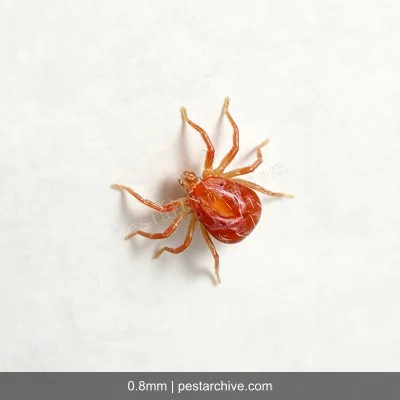
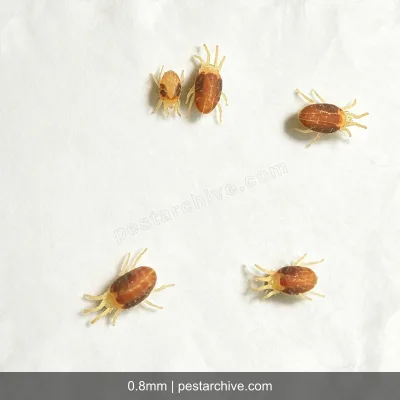
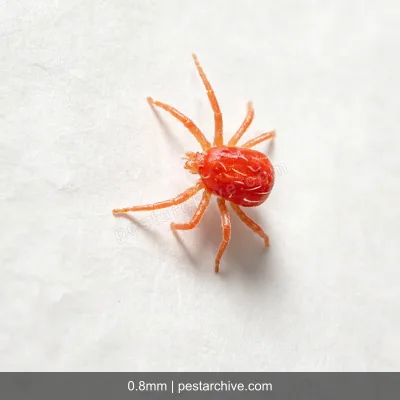
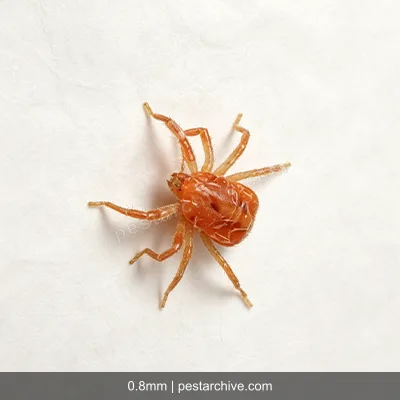
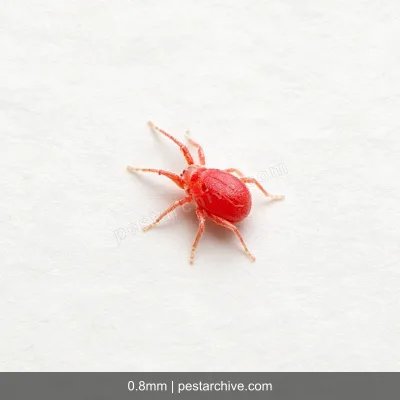
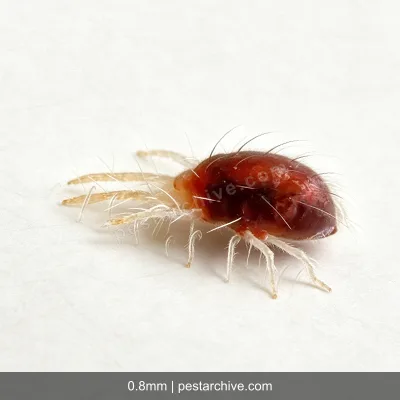
- Extremely small — under 1 mm, barely visible as a tiny dot to the naked eye
- Body color ranges from dark red to brownish-green
- Oval body with 8 legs (as adults)
- They move slowly across leaves
- They spin fine webbing on the underside of leaves
Signs of Bryobia Mite Damage
- The upper leaf surface develops numerous tiny yellow-white spots (like pinpricks) where mites have fed
- In severe cases, leaves lose their luster and turn grayish-brown — as if coated in dust
- Fine webbing is visible on the leaf underside, with mites moving across it
- Tender shoots stop growing properly; leaves curl and harden
Bryobia Mites vs. Spider Mites
- Spider mites: bright red, slightly larger
- Bryobia mites: dark red or brownish-green, slightly smaller
- But their damage patterns and control methods are basically the same
Where Do Bryobia Mites Live?
- Mainly on the underside of leaves, clustered along both sides of leaf veins
- Also on tender shoots and young leaves
- In heavy infestations, they spin a thin webbing layer on leaf undersides
- They reproduce extremely fast in dry, hot conditions
What Conditions Trigger an Outbreak?
- Dry weather and high temperatures (25-30 degrees C / 77-86 degrees F)
- Poor air circulation
- Underwatered plants
- Excess nitrogen fertilizer causing a flush of tender new growth
- Under hot, dry conditions, bryobia mites reproduce incredibly fast — completing a full generation in just 7-10 days — going from a few scattered mites to a leaf-back covered in them in no time