Where Are Those Bathroom Flies Really Coming From? Check 3 Sources – Pipe Buildup, Dry Traps, and Drain Seals
Why It's Important to Pinpoint the Source
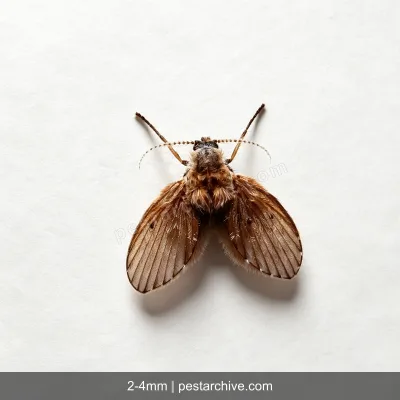
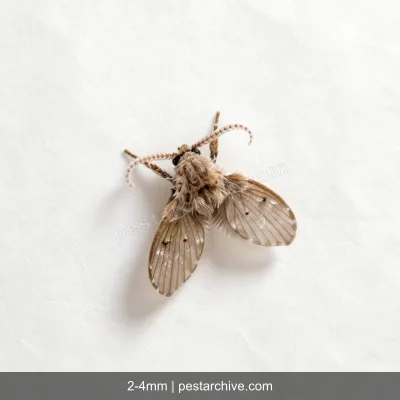
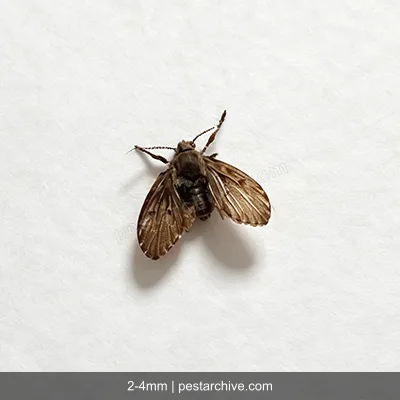
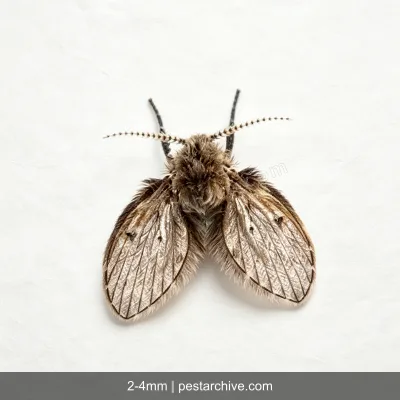
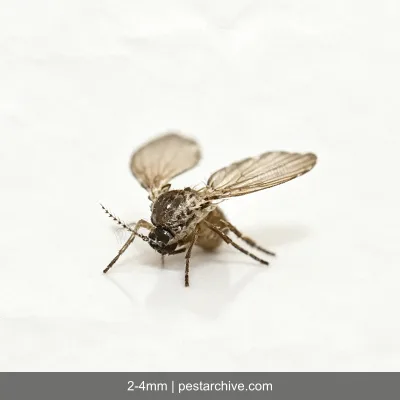
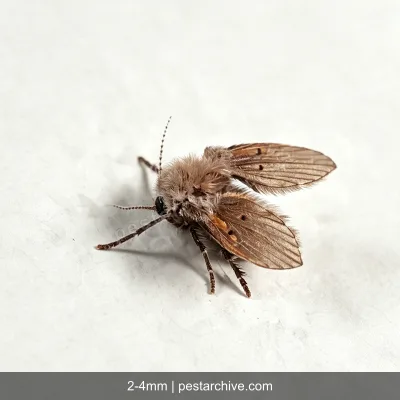
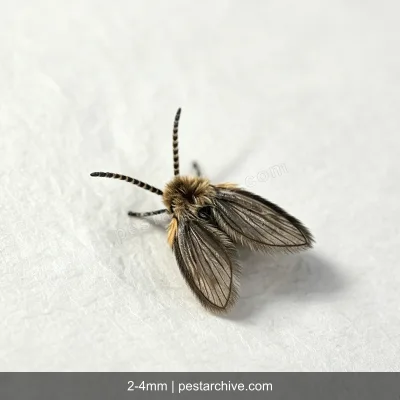
Drain flies live only 2-3 days as adults – every one you see came from larvae inside the pipes. If you're not sure which drain is breeding them, you'll waste time cleaning and sealing the wrong spots – treating the vanity sink when they're coming from the floor drain, or sealing the floor drain when they're coming from an overflow opening. Find the source first, then treat – it's 10x more efficient.
Source-Hunting Tools
- Clear wide tape – the most important tool for the tape test
- Flashlight – to see inside pipes
- Mirror or phone – to check behind pipes and in blind spots
- Notebook and pen – to record test results for each drain
Source 1: Organic Buildup on Pipe Walls (most common)
Drain fly larvae feed on the organic film inside pipes. When enough organic matter builds up (soap residue, body oils, skin flakes, hair debris forming a biofilm in damp conditions), it creates a self-sustaining breeding environment.
How to check: Remove the drain strainer or cover and shine a flashlight into the pipe mouth. If you see dark or grayish slimy coating – like a sticky film – that's organic buildup. Use a thin stick (bamboo skewer or old chopstick) to gently scrape the wall – if what comes off is black and slimy, buildup is heavy.
Common spots: Vanity sink drains, shower drains, bathtub drains. Note: kitchen sink drains also get buildup, but it's mostly grease – drain flies don't like greasy environments, so they're much more common in bathroom drains.
Source 2: Dry or Missing P-Trap (second most common)
The P-trap (water seal) is a U-shaped section of pipe that holds water, blocking sewer gas and insects. When the water in the trap evaporates, the pipe opens up and drain flies can fly right up. Unused drains (guest bathrooms, balcony drains, spare rooms) are most likely to have dry traps.
How to tell if a P-trap is dry:
- For an unused drain, shine the flashlight down – if you can see deep into the pipe (rather than water blocking your view), the trap is dry
- You can smell sewer odor rising from the drain – that's gas coming up through the empty trap
- There are more drain fly adults on the walls around this drain compared to others
How to confirm: Pour a cup (about 200ml) of water down the suspected drain and wait 10 minutes. If there were more flies around this drain than others, numbers should drop after adding water. If flies keep coming even after adding water, the trap may not be the main issue (or the seal dries out quickly – needs more frequent refilling).
Source 3: Damaged Drain Insert or Cover (open physical route)
Some older drains have no pest-proofing – they're just an open hole with a strainer. The strainer catches hair but doesn't stop 2-3mm drain flies. Also, silicone flaps in pest-proof inserts can age and warp, leaving gaps – same as an open route.
How to check: Remove the drain insert and inspect the silicone flap (or magnetic flap) for gaps when closed. Hold it up to light – if light shines through the closing point, there's a gap and flies can get through. Place it on a table and gently press the silicone flap with your finger to feel its elasticity – if it's hard and not elastic (aged), replace it.
The Tape Test: Pinpoint Exactly Which Drain Is Breeding Flies
This is the most direct way to locate the breeding spot. Principle: if a particular drain is the source, sealing it with tape will trap emerging adults under the tape or inside the pipe – reducing the number on bathroom walls.
How to do it:
- Count the number of adult drain flies currently on walls in each area
- Choose one drain opening and seal it completely with clear wide tape – press the edges tight so no fly can escape
- Wait 24 hours (adults live 2-3 days – 24 hours is enough to see changes). Don't use that drain during this time
- After 24 hours: peel off the tape and check its underside for trapped adults. If there are drain flies stuck to the tape, that's the breeding drain. Also check if the total wall fly count has dropped
- If wall fly numbers didn't drop noticeably after 24 hours, this drain isn't the main source. Remove the tape and move to the next drain
- Test every drain – floor drains, vanity drains, bathtub drains, mop sink drains – to locate all breeding points
After identifying breeding drains, follow the drain fly treatment guide (pipe scrubbing + baking soda/vinegar clean + new pest-proof insert).
Bathroom Fly Source Checklist
- Did you test every drain with the tape method for 24 hours?
- Did you shine a flashlight into every drain to check for organic buildup?
- Did you check if P-traps in unused drains are dry?
- Did you remove all drain inserts and check for tight sealing?
- Did you check vanity overflows and bathtub overflows as well?
- Did you immediately treat confirmed breeding spots with cleaning + insert replacement?