What's That Bug with Pincers on Its Tail? Earwig ID + Physical Removal Guide
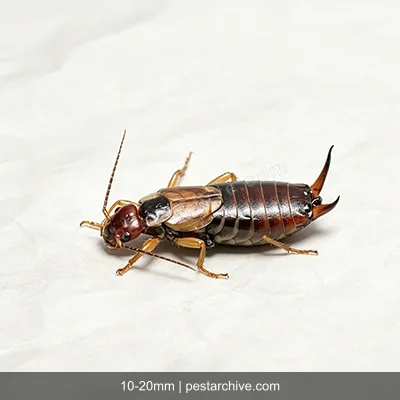
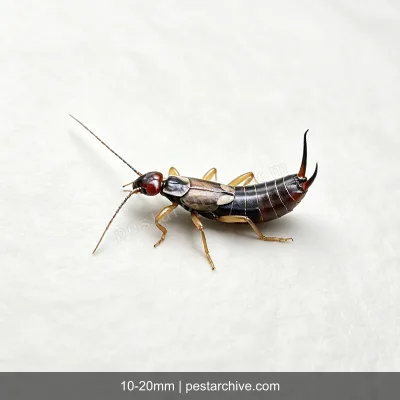
Is That Pincer-Tailed Bug an Earwig? 4 Features to Confirm
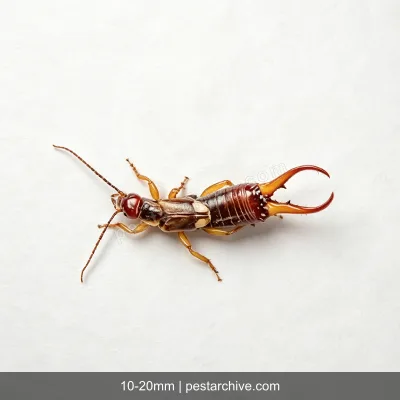
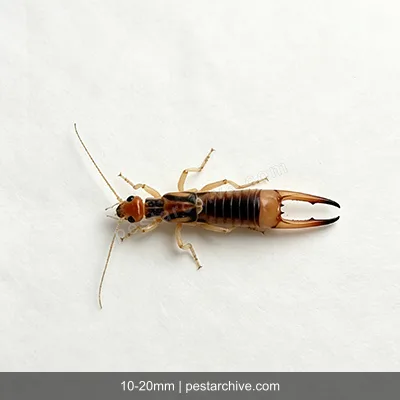
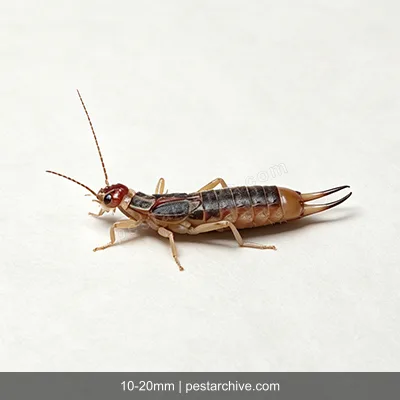
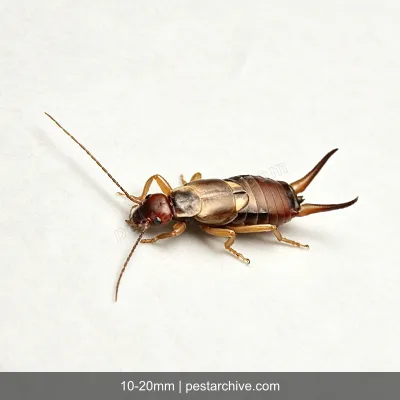
Earwigs are common household insects with a scary-looking appearance. Here's how to ID them:
- Pincers (the most obvious feature): A pair of hard, forceps-like cerci at the end of the abdomen. Males have curved, pincer-shaped forceps; females have straighter ones. They use these to catch prey, defend against predators, and hold the female during mating. When threatened, earwigs raise their pincers in a defensive display – it looks fierce but it's mostly bluff
- Body size: Adults are about 1-2cm long, slender and flattened – they can squeeze into very narrow gaps (which is how they get indoors)
- Color: Dark brown to reddish-brown, with the head and thorax slightly darker and the abdomen lighter. Shiny
- Wings: They have wings but rarely fly. The front wings are short and scale-like, covering the junction of thorax and abdomen; the hind wings are folded underneath. Though capable of flight, you'll mostly see them running fast indoors, not flying
Do Earwigs Bite People? Let's Address What You're Worried About
Earwigs don't attack people. If you grab one, it might pinch your finger with its pincers as a defensive reaction. The force is very weak – at most you'll feel a slight squeeze (much less than an ant bite), and they rarely break the skin. They have no venom and no toxin on the pincers.
So: that pincer-tailed bug looks freaky, but you have nothing to fear. They don't chase people, don't actively pinch, don't spread disease, and don't damage furniture or clothing. Their biggest threat to you is startling you when they suddenly appear.
Why Are Earwigs in Your House?
Earwigs like damp, dark, and cool environments. They typically show up in these spots indoors:
- Damp cabinets under bathroom and kitchen sinks
- Behind and around washing machines
- Plant saucers and pot bottoms (moist soil and standing water)
- Basement and ground-floor corners
- Under doormats and in shoe cabinets
- Stacks of newspapers and old cardboard boxes
Earwigs mainly eat decaying plant matter, small soft-bodied insects (like aphids), moss, and fungi. They come indoors when outdoor conditions get too dry or too cold, seeking a damp shelter. Ground-floor and basement residents see them most often.
Physical Earwig Removal – No Spray Needed
Step 1: Remove Moisture Sources (about 20 minutes)
Earwigs depend heavily on moisture. Without it, they'll die or leave within days:
- Fix all leaking pipes, faucets, and drains
- Use exhaust fans in bathrooms and kitchens to lower indoor humidity (keep relative humidity under 50%)
- Empty plant saucer water – wait 30 minutes after watering and pour out excess
- Place desiccants or moisture-absorbing boxes in damp corners
- Leave the washing machine lid open when not in use to let the drum dry
Step 2: Eliminate Hiding Gaps (about 20 minutes)
- Seal gaps between baseboards and floors/walls with silicone
- Seal gaps around window and door frames
- Seal pipe penetrations through walls
- Outdoors: seal cracks in exterior walls and foundation gaps
Step 3: Physically Remove Existing Earwigs (about 10 minutes)
- Vacuum visible earwigs – use the crevice tool along baseboards. Seal and discard the vacuum bag immediately after
- Place damp newspaper rolls (sprayed with water but not dripping) where you often see earwigs – put them out at night and collect in the morning. Earwigs will crawl into them to shelter overnight – in the morning, put the whole roll (with earwigs inside) directly into a sealed bag and discard
- Old damp towels or burlap rolled into tubes work the same way as traps
Step 4: Outdoor Management (Keep Them from Coming Back)
- Clear all piles within 3 feet (1m) of the house – leaves, brush, wood, rocks, scrap lumber
- Keep gutters and downspouts clear and draining
- Keep soil around the foundation dry – don't water heavily right next to the house
- Keep doormats dry – bring them inside in rainy weather or switch to non-absorbent material
Wait 2 weeks. If you don't see earwigs indoors after 2 weeks, the physical treatment worked. If you still see them, re-check for missed moisture sources or gaps.
Earwig Prevention Maintenance
7-day: Empty plant saucer water. Check bathrooms and kitchens for new leaks.
15-day: Check baseboard and window/door sealant for cracks. Check damp corners for earwig activity.
30-day: Clear outdoor piles within 3 feet of the house. Check exterior walls for new cracks.
Earwig Checklist
- Did you fix all indoor leaks and water stains?
- Are bathroom and kitchen exhaust fans working?
- Are plant saucers free of standing water?
- Are baseboard and wall gaps sealed?
- Did you vacuum all corners and crevices?
- Are old newspapers and boxes stored away from damp areas?
- Did you clear piles around the house exterior?
- Have you gone 2 weeks without seeing earwigs indoors?
Earwig FAQs
Do earwigs really crawl into people's ears?
This myth has been around forever (the name "earwig" literally means "ear bug"). But earwigs don't specifically seek out human ears. They like dark, narrow crevices – ears theoretically fit that description, but actual cases are extremely rare. You're far more likely to find earwigs eating young plant roots in your flowerpots than crawling into your ear.
Are earwigs pests or beneficial?
They're both. Outdoors, earwigs eat aphids, scale insects, and other plant pests – they're garden allies. Indoors, they cause no real damage (they don't eat furniture, clothing, or food) – they're purely a visual nuisance. If you only see them outside, leave them alone. If they're coming indoors in large numbers (5+ a day), use the methods above to manage them.
* * * 15. Cockroaches