What is the caterpillar-like insect found in the house?
The short answer: That small, hairy, caterpillar-like bug is probably a carpet beetle larva, not a true caterpillar. They feed on natural fibres, fur, feathers, leather, and even dry pet food. They don’t bite, but they can damage clothing, carpets, and upholstery. To get rid of them, vacuum thoroughly, wash fabrics at ≥60°C, store woollens in sealed bags, and apply residual insecticide to cracks.
- Confirm it’s carpet beetle larvae
- Size 3–5 mm, covered in rings of brown or dark brown hairs (setae).
- Body is spindle-shaped, tapered at both ends, they curl into a ball when disturbed.
- They move slowly on walls, ceilings, or furniture.
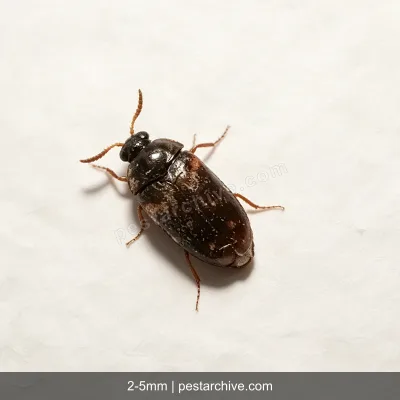
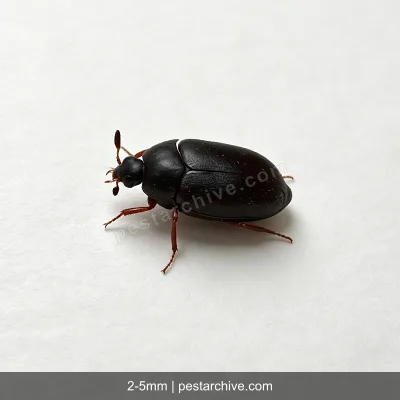
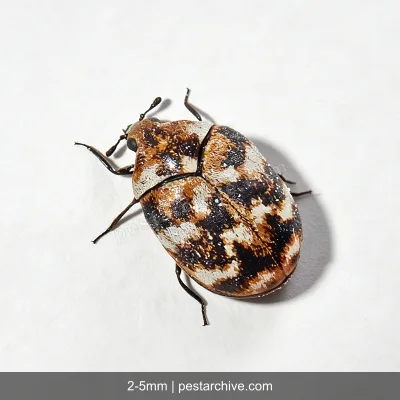
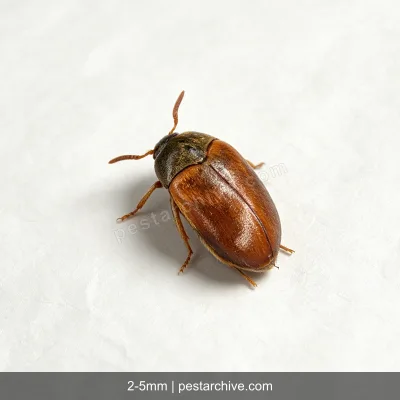
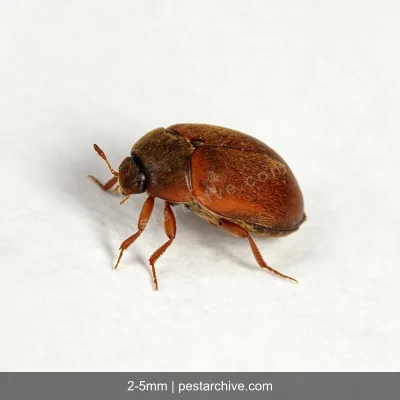
- Adults are small (2–3 mm), round, and brownish with patterned scales, they are harmless and feed on pollen but lay eggs indoors.
- Where do they come from?
- They come from outdoors (adults fly in through windows) or are brought in with cut flowers, plants, or used items.
- They lay eggs on wool, silk, leather, feathers, and dry goods.
- Larvae feed on animal-based proteins, woollen clothes, carpets, upholstery, furs, taxidermy, pet hair, and dead insects.
- Step 1: locate the infested items
- Check woollen clothing, cashmere sweaters, silk ties, and leather goods.
- Inspect carpets and rugs, especially along edges and under furniture.
- Look for shed skins, tiny holes, and larvae themselves.
- Check pet bedding and stored pet food, they can breed there.
- Step 2: clean and treat fabrics
- Wash all washable fabrics in water at ≥60°C, this kills larvae and eggs.
- Dry-clean woollens and silks that can’t be washed, dry-cleaning chemicals kill them.
- For items that can’t be washed, seal them in plastic bags and freeze at -18°C for 72 hours.
- Vacuum carpets, upholstery, and curtains thoroughly, pay attention to edges and corners.
- Step 3: apply insecticide
- Spray dinotefuran-containing household insecticide along baseboards, floor edges, under furniture, and inside closets.
- Focus on areas where you’ve seen larvae or shed skins.
- The residual film will kill larvae that crawl over it, lasts 2–4 weeks.
- You can also use diatomaceous earth in wall voids and behind baseboards.
- Step 4: prevent reinfestation
- Store woollens, furs, and silk in airtight garment bags or plastic containers with mothballs or cedar (not foolproof but helps).
- Regularly vacuum and rotate stored clothes, this prevents settlement.
- Keep pet hair and dander to a minimum, vacuum pet areas frequently.
- Install screens on windows to keep adult beetles from flying in.
- When to call a professional
- If infestation is widespread (multiple rooms, carpets, and furniture), a professional may use more potent insecticides or heat treatments.
- But for most cases, diligent cleaning and residual spray solve the problem.
Common mistakes
- ❌ Ignoring the source, larvae can feed on overlooked items like taxidermy or feather pillows.
- ❌ Not washing at ≥60°C, cold water doesn’t kill them.
- ❌ Only spraying adults, larvae cause the damage, not adults.
Mini FAQ
Q: Do carpet beetles bite?
A: No, they don’t bite humans; the hairs can cause skin irritation in some people.
Q: Can they eat synthetic fibres?
A: They prefer natural fibres but may damage synthetics if they are soiled with food stains.
Q: How do I know if I have carpet beetles or clothes moths?
A: Beetle larvae are hairy and caterpillar-like; moth larvae are smooth, whitish, and spin silk tubes.
Your carpet beetle control list
- Find infested fabrics and dry-clean or hot-wash.
- Freeze non-washable items for 72 hours.
- Vacuum carpets, upholstery, and closets thoroughly.
- Apply dinotefuran spray to baseboards and edges.
- Store woollens in sealed bags.
- Keep windows screened.