Do biting midges bite pets?
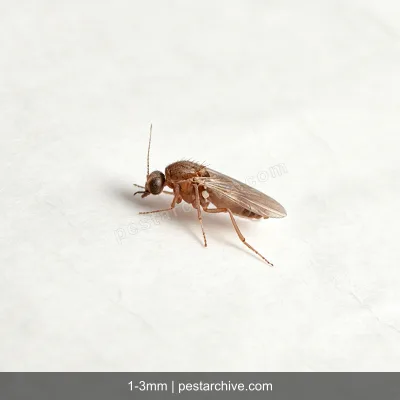
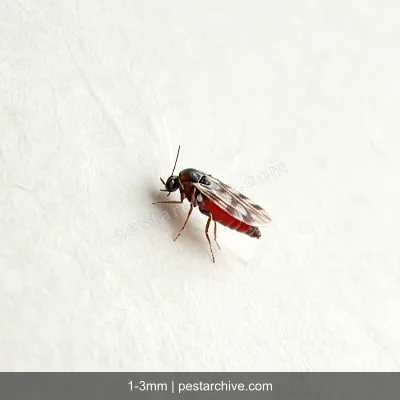
Do biting midges bite pets?
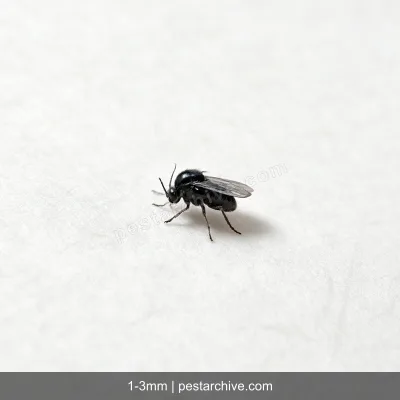
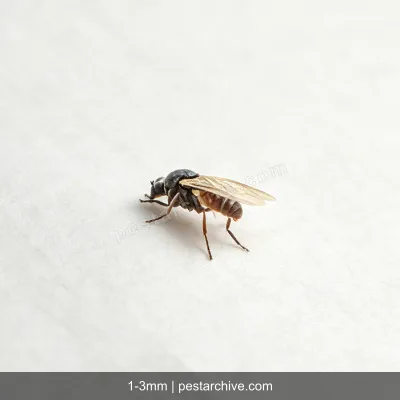
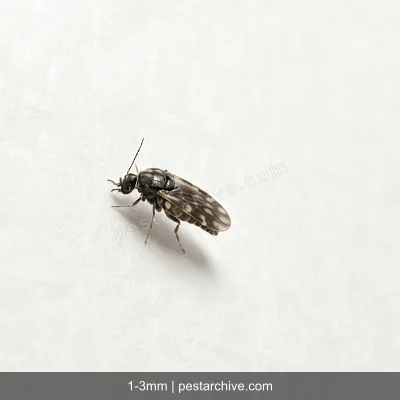
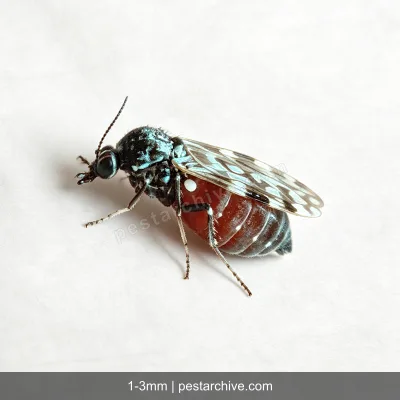
Biting midges bite not only humans but also pets. Areas with thin skin and less fur, such as pets' bellies, inner ears, inner thighs, and around the eyes, are their preferred targets.
Symptoms of midge bites on pets
- Frequent scratching, licking, or chewing at bitten areas due to intense itching.
- Skin damage, redness, swelling, and hair loss.
- Secondary bacterial infections (dermatitis, pyoderma).
- Restlessness, affecting rest and appetite.
- Some pets may have allergic reactions with full-body rashes.
Prevention methods
- Reduce taking pets outdoors during dawn and dusk (peak midge activity).
- Spray dinotefuran-containing household insecticide around pet bedding (do not spray directly on pets).
- Keep pet water and food bowls and surrounding areas dry and clean.
- After outdoor activities, check pets' bellies, ears, and other vulnerable areas.
- Consider using insect-repellent collars for pets.
If pets have been bitten
If pets are repeatedly scratching, consult a veterinarian for specialized anti-itch sprays or ointments. If the skin is already damaged and infected (pus, redness, heat, pain), take the pet to the vet promptly.
Synchronized household treatment
- Wash pet bedding in water above 60°C and sun-dry to kill possible eggs.
- Regularly spray dinotefuran-containing household insecticide on floors and walls in pet activity areas to reduce midge density.
- Keep pet areas dry and well-ventilated; damp environments attract midges.