How to Remove Millipedes from Potted Plants
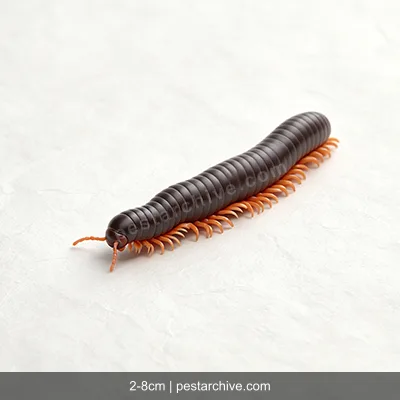
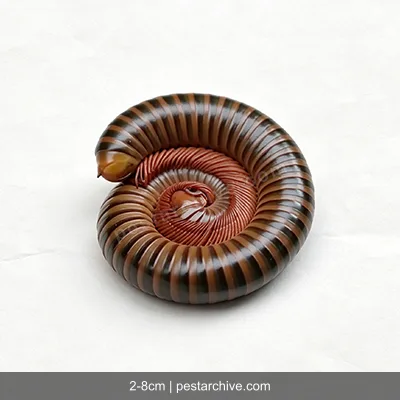
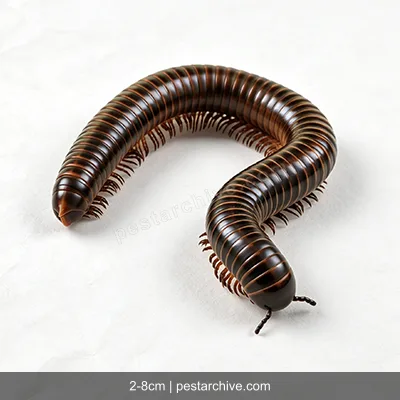
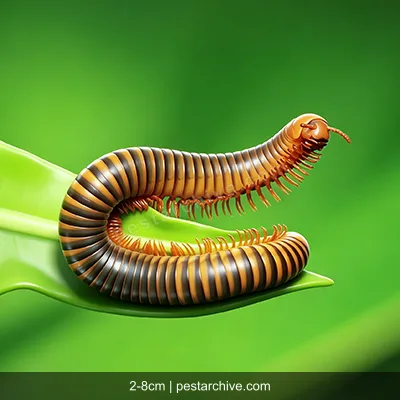
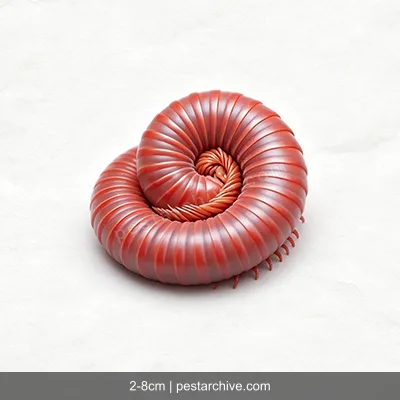
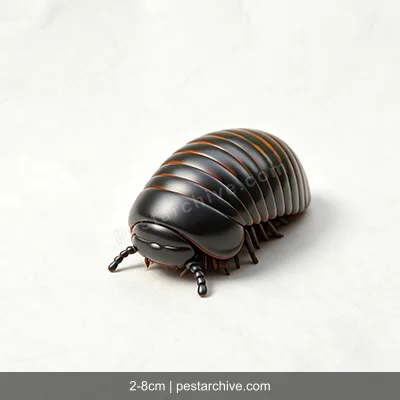
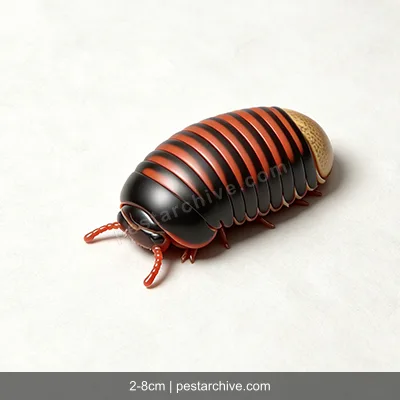
Real scene: You're watering the plants on your balcony. When you look under the pot, there's not just standing water in the saucer. A few dark brown elongated bugs are wriggling in it, curling into a ball when touched. You lift the dead leaves on the soil surface, and there are more underneath. Millipedes in the pot aren't there to eat your plant. They're eating rotting leaves and organic matter. But when there are lots of them, it's certainly unpleasant.
Quick answer: Millipedes in a pot mean the soil is too damp and there's rotting organic matter. Three removal steps: empty the saucer water, remove dead leaves and rotting roots from the surface, and reduce watering so the topsoil dries out completely. Millipedes can't tolerate dry soil and will leave or die. Pick up any adults you see by hand or with tweezers.
Why millipedes are in your pot
Millipedes aren't pests. They feed on rotting plant tissue, dead leaves, humus, and fungi. In nature, they play the role of decomposers. Pots become their habitat for several reasons:
- Water has been sitting in the saucer for a long time, keeping the bottom of the pot soil saturated.
- The soil surface has dead leaves, fallen flowers, and uncomposted organic fertilizer, providing ready food.
- The pot sits directly on the ground, and millipedes crawl up from the ground along the pot wall.
- Uncomposted compost or leaf mold mixed into the soil may carry millipede eggs or juveniles.
Removal steps
- Empty standing water: Dump out all water from the saucer and wipe it dry. Standing water in the saucer not only attracts millipedes but also breeds mosquitoes.
- Clean the surface: Remove dead leaves, fallen flowers, dead twigs, and any rotting plant material from the soil surface. These are their food sources.
- Reduce watering: Let the top 3 to 5 cm of soil dry out completely before watering again. For most indoor and balcony plants, the root system is below this depth. Moderate surface dryness won't harm the plant, but millipedes won't tolerate it.
- Hand-pick: Pick up any adults you see with tweezers or wear gloves and pick them up directly. Millipedes curl into a ball when disturbed, making them easy to pick up. Throw them in the outdoor trash.
- Bait and trap: Place a small piece of potato or carrot on the soil surface overnight. Check underneath the next morning. The millipedes that have gathered there can be removed all at once.
Where to use pesticides
Pesticides should not be poured into the pot soil. Pot soil is the medium for root growth. The microbial community in the soil is important for plant health. Drenching the soil with pesticides can damage the soil ecosystem.
The correct place to use pesticides is the ground around the pots: move the pot aside, spray a residual household insecticide spray on the ground and wall corners where the pot sits to create a protective barrier. Let it dry, then put the pot back. This is to stop millipedes from crawling back into the pot from the ground, not to treat the millipedes already inside the soil.
Long-term prevention
- Check and empty saucer water after every watering. If the plant doesn't need a water reservoir, remove the saucer entirely and let the pot bottom sit open to the air.
- Apply a 1 to 2 cm layer of coarse sand or fine gravel on the soil surface. Millipedes don't like crawling on dry, rough surfaces. This layer effectively stops them from entering the topsoil.
- Place pot stands or bricks under the pot so the bottom is at least 5 cm off the ground. This improves drainage and ventilation and makes it harder for millipedes to crawl up from the ground.
- Don't pile dead leaves and twigs on the soil surface long-term. Remove fallen leaves promptly.
Common mistakes
- Mistake 1: Millipedes eat plant roots. Fact: Millipedes mainly eat rotting organic matter. Healthy plant roots aren't their food. Millipedes in pots are an indicator of dampness and too much organic matter, not a direct threat to the plant.
- Mistake 2: Drenching the soil with pesticides gets rid of them completely. Fact: Drenching damages soil microorganisms and beneficial creatures like earthworms. Pesticides degrade quickly in moist soil and have limited effect on millipedes hiding deep in soil clumps.