Spider Beetle or Spider? How to Tell Them Apart
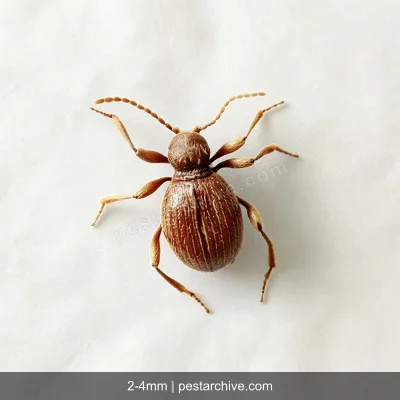
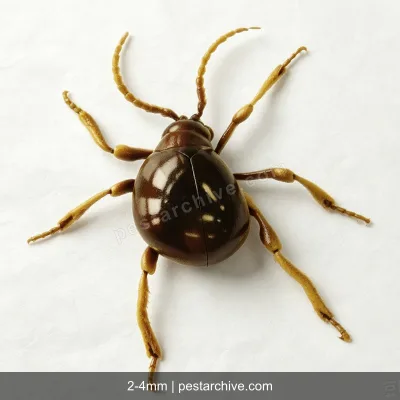
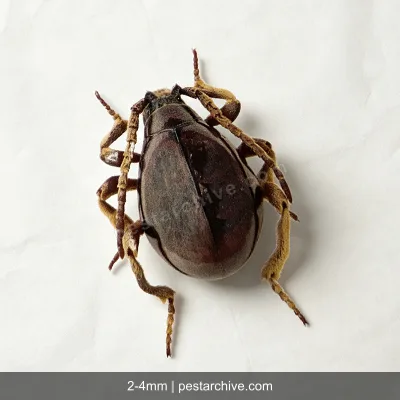
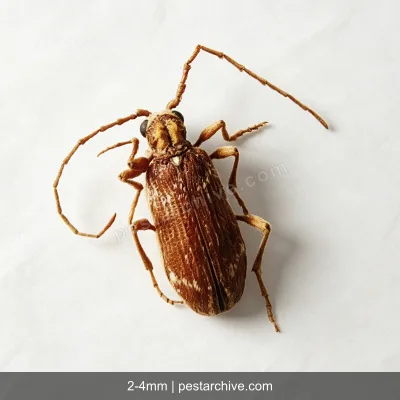
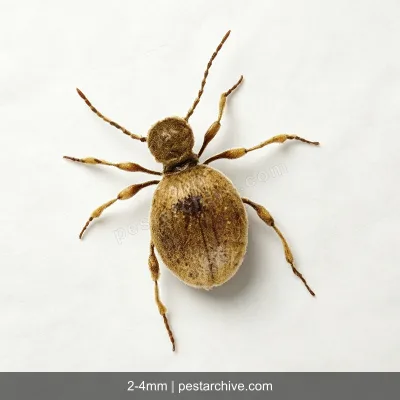
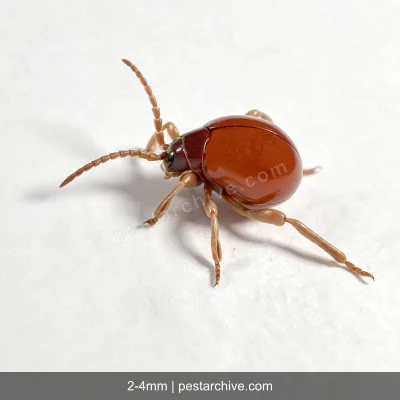
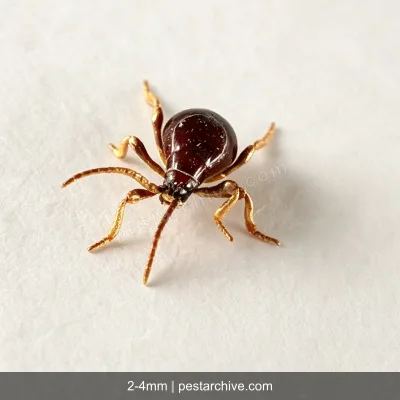
How to Tell Spider Beetles Apart from Actual Spiders?
Despite having "spider" in their name, spider beetles are beetles, not spiders. The differences between the two are very clear — you can tell them apart at a glance with these features:
Number of Legs (The Most Fundamental Difference)
- Spider beetle: 6 legs (characteristic of insects)
- Spider: 8 legs (characteristic of arachnids)
This is the most reliable method — just count the legs.
Body Structure
- Spider beetle: body divided into three sections — head, thorax, and abdomen — overall an elongated oval shape, like a miniature beetle. The head has two prominent thread-like antennae.
- Spider: body divided into two sections — cephalothorax and abdomen — with a distinct narrow waist between them. No antennae, but has chelicerae (pincer-like structures near the mouth).
Color and Size
- Spider beetle: body length about 2–3 mm, reddish-brown or dark brown, glossy shell, looks like a tiny seed.
- Spider: body length varies widely from 1 mm to several centimeters, many colors, usually hairy.
Behavior
- Spider beetle: does not spin webs; crawls on food while chewing; moves slowly. When startled, it plays dead — tucks its legs in and stays motionless.
- Spider: most species spin webs (though some are free-hunting spiders that don't); moves quickly; hunts live insects.
Habitat
- Spider beetle: found in kitchen cabinets, rice bins, dry goods drawers — places where food is stored.
- Spider: found in wall corners, windowsills, ceilings — places where insects are present, often with visible webs.
Simple Memory Aid
"Six legs a beetle, eight legs a spider. Beetles hang out in your food; spiders sit alone in corners."