How to Keep Mosquitoes Out of the Bedroom – No-Spray Methods for Homes with a Baby
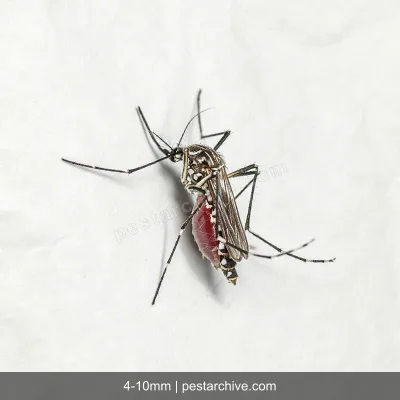
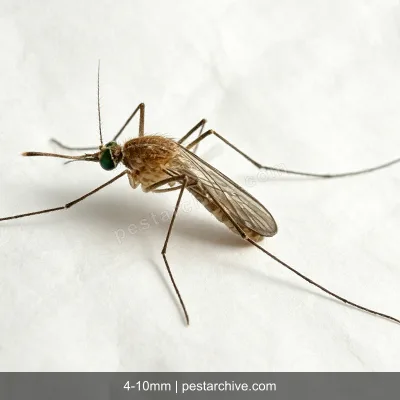
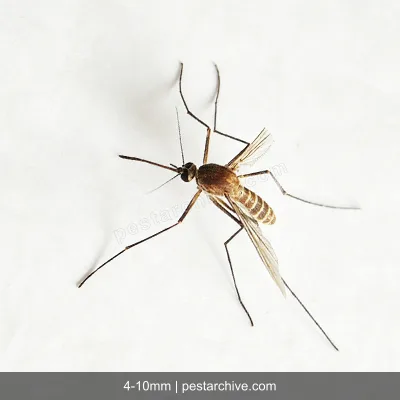
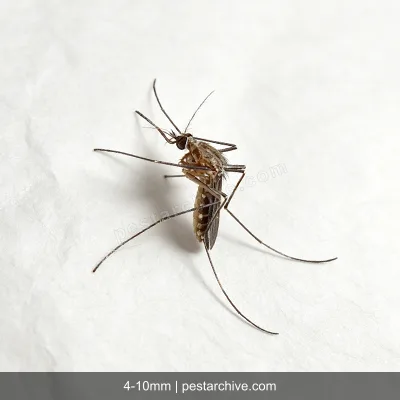
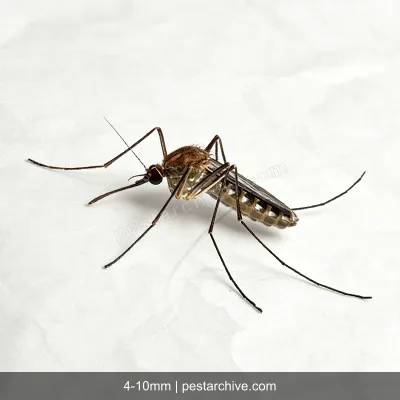
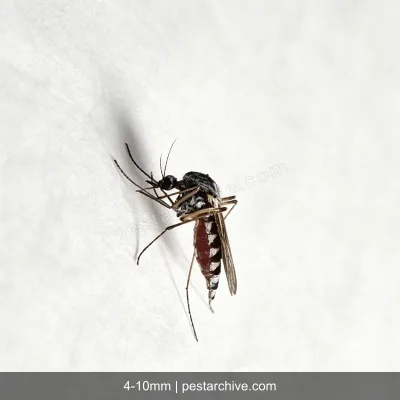
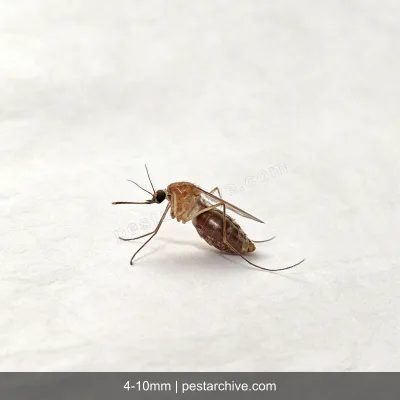
Where Are the Bedroom Mosquitoes Coming From? 3 Scenarios
You hear buzzing around your ears after lights out: Mosquitoes are already in the room. They may have flown in during the day when doors/windows were open, or through a torn screen. Your focus is clearing the ones already inside.
Mosquitoes every night, but you don't see them during the day: They hide in dark spots during the day (behind curtains, under the bed, behind furniture) and come out at night. You need a full sweep and clear-out.
If you have a baby at home: Babies have slightly higher body temps and breathe faster (more CO₂) – both of which attract mosquitoes. In the same room, mosquitoes will prefer the baby. Store-bought mosquito coils and plug-in repellents contain pyrethroids – not safe for babies to breathe all night in a closed bedroom. This guide uses physical methods only.
What Tools Do You Need for Bedroom Mosquito Control?
- Fine-mesh bed net (mesh opening under 1.2mm) – for the crib or bed
- Handheld electric swatter/racket – to kill mosquitoes already inside
- Flashlight – to spot mosquitoes and screen holes
- Screen repair patches or tape – to fix holes in window screens
- Door/window weatherstripping (brush or silicone type) – to seal gaps
- Indoor bug trap (physical/fan type, not chemical) – optional
- Small fan – to create air movement so mosquitoes can't fly steadily
Physical Mosquito Control Steps for the Bedroom
Step 1: Clear Existing Mosquitoes Before Dark (about 15 minutes)
Dusk (30 minutes before/after sunset) is when mosquitoes are most active. Close the bedroom door, turn off the lights, and draw the curtains to darken the room. Wait 5 minutes for mosquitoes to start moving. Then use a flashlight to scan the walls slowly – mosquitoes resting on walls are easy to spot in the light. Zap them with the electric racket. Check these spots carefully:
- High on walls near the ceiling (they tend to rest high)
- Curtain folds and curtain rods
- Behind and beside the wardrobe
- Around the bed frame and under the bed
- Behind the door
If you have a physical (fan/UV) bug trap, run it for 1-2 hours before bed – but keep it away from the crib (UV light can disrupt sleep). Put it in the opposite corner of the room.
Step 2: Check and Fix Window Screens and Door Gaps (about 20 minutes)
Shine a flashlight from inside the screen outward and look from outside – any pinprick of light is a hole. Mosquitoes can get through gaps as small as 1.5mm. Patch holes from the outside with screen repair patches.
Check gaps around closed windows – where the window meets the frame and in sliding window tracks. Apply brush-type weatherstripping to seal gaps without blocking operation.
Check the gap under the bedroom door – if it's more than 3mm, mosquitoes can fly in from the hallway. Install a door sweep or self-adhesive door seal. Limit opening the door after dark (peak mosquito hours).
Step 3: Set Up and Use a Bed Net Correctly (physical barrier)
This is the most effective physical method, especially for babies. Choose a net with mesh openings under 1.2mm (most household nets are fine). White nets make it easier to see any mosquitoes inside.
How to use a bed net properly:
- Drop the net 1 hour before bedtime and check inside for any mosquitoes. Tuck in the edges so the sleeping area is confirmed mosquito-free
- Tuck the bottom of the net under the mattress, or let it reach the floor and weigh down the edges – no gaps
- Don't let the net touch the baby's skin – mosquitoes can bite through the mesh if it's pressed against skin. Keep at least 8 inches (20cm) between net and skin
- Move quickly when getting in/out, and close the opening immediately
Step 4: Environmental Mosquito Deterrence (ongoing)
Mosquitoes are weak fliers – they can't handle wind speeds over 1 m/s. Place a small fan in the bedroom on the lowest setting, aimed toward the bed area. You don't need strong wind – just enough air movement to keep mosquitoes from being able to fly steadily. A gentle fan is safe for babies and helps air circulation.
If the bedroom has an attached bathroom, check the floor drain – if it's dry, mosquitoes can breed in the trap and fly in from the sewer. Pour a cup of water down the drain weekly to keep the P-trap full. Also check the bathroom window screen.
Don't keep aquatic plants in the bedroom (like lucky bamboo or pothos in water). Change the water in vases every 3 days – these are mosquito breeding sites (larvae).
Wait 2 weeks: If your baby hasn't gotten any new bites in 2 weeks, your physical measures are working. If you still see mosquitoes, re-check for screen holes you missed or gaps under the door.
How Soon Will You See Results?
Same night: Electric swatting + bed net + fan = no bites for your baby that night.
Week 1: After fixing screens and door gaps, no new mosquitoes can enter. Spotting one that flew in when you opened the door is normal.
Week 2: Zero bites in 2 weeks means your physical system is solid. Just keep it up.
When to be extra careful: If you live on the first or second floor and there's grass, ditches, or neighbors with standing water outside, mosquito pressure is much higher. Besides indoor measures, you'll need to clear outdoor standing water (plant saucers, old tires, rain barrels). If you can't control the building environment, double down on screens and bed nets.
What NOT to Do in a Baby's Room
- Don't use mosquito coils or plug-in repellents in the baby's room: Coils release fine particles that irritate a baby's respiratory system. Plug-ins release pyrethroids continuously – concentrations can build up in a closed room and aren't safe for babies to breathe all night.
- Don't apply repellent directly to a baby's skin: DEET is not recommended for infants under 2 months, picaridin under 6 months. Even for older babies, apply to your hands first, then lightly dab on exposed skin – avoid hands and around the mouth.
- Don't use mosquito spray in the baby's room: Aerosols hang in the air for a long time – babies inhale easily.
- Don't place bug traps right next to the crib: UV light from traps is weak but still not recommended to shine near a baby's eyes. Place it in the opposite corner, at least 6 feet (2m) away.
Long-Term Bedroom Mosquito Maintenance
Daily: Close screens before dark. Drop and tuck the bed net. Run the fan on low.
Weekly: Check screens for new holes. Pour water down the bathroom floor drain to keep the trap sealed.
Monthly: Do a full dark-corner check for resting mosquitoes. Inspect door/window weatherstripping for wear.
Bedroom Mosquito Control Checklist
- Did you swat all visible mosquitoes before dark?
- Did you patch every screen hole?
- Did you seal window gaps and the gap under the door?
- Is the bed net mesh under 1.2mm with edges tucked tight?
- Is the fan running nightly to circulate air?
- Did you remove water plants and standing water in saucers?
- Is the bathroom floor drain P-trap full of water?
- Has your baby gone 2 weeks without new bites?
Bedroom Mosquito FAQs
What if a mosquito gets inside the bed net?
This usually happens when you go in/out and one follows you. Before bed, use a flashlight to scan the inside walls of the net – swat any you see. Also check for holes or loose threads, especially at folded corners. If the mesh has stretched over time, replace it.
Why do mosquitoes get in even when screens are closed?
Three common reasons: 1) A screen hole you missed (check with a flashlight). 2) The screen doesn't close completely or has gaps in the track (common with sliding windows). 3) Mosquitoes come through the door gap, not the window. Check each possibility.
Will a fan make the baby too cold?
Run it on the lowest setting and don't aim it directly at the baby. Aim it at the wall or ceiling – you just need air circulation, not a cold draft. The purpose is air movement, not cooling. If you're worried, aim the fan toward yourself – adults give off more heat and CO₂, so mosquitoes will be drawn to you instead.
* * * 5. Fleas