Old House Borer vs Other Wood Borers: How to Tell Them Apart – Sawdust, Holes, and Sounds
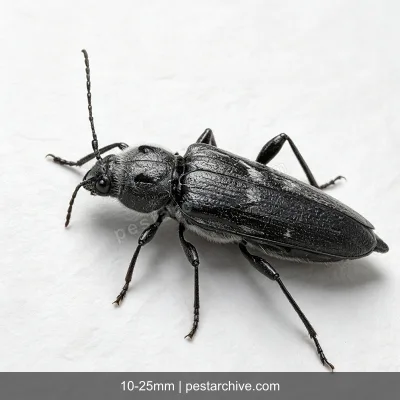
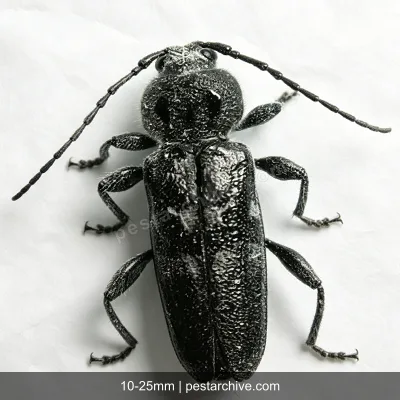
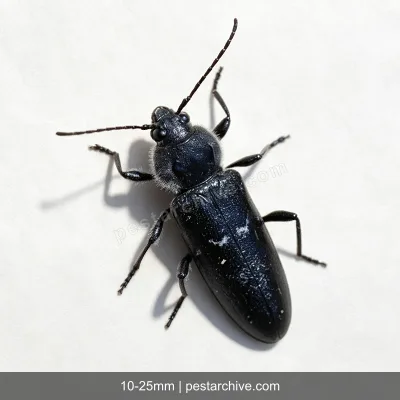
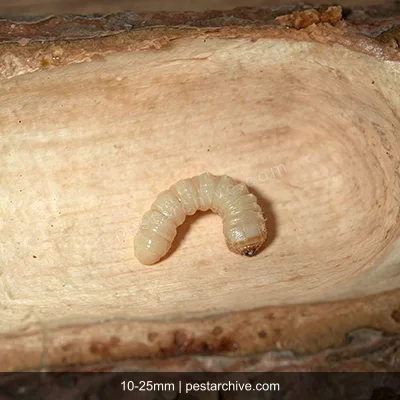
Which Wood Borer Left These Marks? A Quick 3-Way Comparison
When you find wood damage at home, the first step is identifying which pest it is. Different borers need completely different treatment – misidentifying wastes your effort. Here's a comparison of the three most common household wood borers:
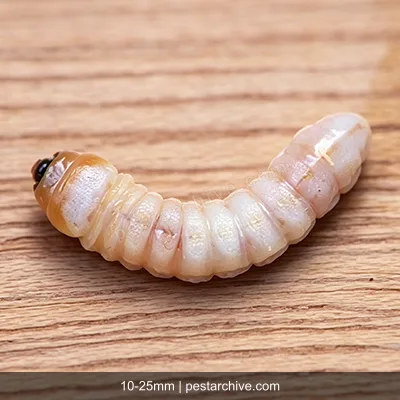
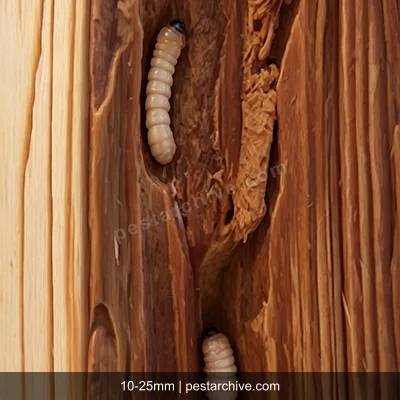
Old House Borer (Hylotrupes bajulus)
- Exit hole shape/size: Oval – 6-10mm long, 3-5mm wide. Like a flattened grain of rice
- Sawdust texture: Very fine – flour-like. Feels rough/grainy when rubbed between fingers. Color matches the wood
- Feeding sound: Can be heard in quiet conditions in summer. Larger larvae make a noticeable ticking/scratching noise – like fingernails on wood
- Attacks: Structural timber – roof beams, attic rafters, posts, window frames. Prefers softwoods (pine, spruce, fir)
- Depth: Very deep – 2-4 inches (5-10cm) inside, can hollow out the beam interior like honeycomb
- Larval stage: 3-10 years (very long) – feeds continuously
- Treatment: Call a licensed pro for drill-and-inject or beam replacement. No DIY sprays
Powderpost Beetle (mainly Lyctus spp.)
- Exit hole shape/size: Round – 1-2mm diameter. Like a ballpoint pen dot
- Sawdust texture: Very fine – like fine sand or flour, but slightly coarser than old house borer. Feels like extremely fine salt
- Feeding sound: Barely audible – larvae are too small
- Attacks: Furniture and decorative wood – solid wood furniture, flooring, bamboo items, picture frames. Prefers hardwoods (oak, beech, bamboo – starch-rich woods)
- Depth: Shallow – mostly the surface 1-3cm
- Larval stage: About 6 months – 1 year
- Treatment: Small items can be heat-treated (bake at 140°F/60°C+) or frozen (0°F/-18°C for 72 hours). Large furniture – call a pro for surface application or injection. Severe damage may require replacement
Other Longhorn Beetles (e.g., House Longhorn, Spined Woodborer)
- Exit hole shape/size: Round or near-round – 5-10mm diameter
- Sawdust texture: Coarser with visible fibers. Sometimes includes wood splinters
- Feeding sound: Audible – larger larvae
- Attacks: Various dry timber, bamboo, rattan. Preferences vary by species
- Depth: Deep
- Larval stage: 1-3 years, varies
- Treatment: Usually needs a professional. Small items may be treated physically
Three Quick Takeaways to Tell Them Apart
Look at the hole: Oval large (6-10mm) = old house borer. Round small (1-2mm) = powderpost. Round large (5-10mm) = other longhorn.
Look at the sawdust: Flour-like = old house borer. Fine sand-like = powderpost. Fibrous = other longhorn.
Look where the wood is: Roof beams and structural timber = likely old house borer. Furniture and flooring = likely powderpost.
What to Do After Identifying the Borer
If it's powderpost beetles on furniture (small holes):
- Small items: Seal in a plastic bag and freeze at 0°F (-18°C) for 72 hours. Cold kills all life stages inside
- Large items that can't be frozen: Place in direct summer midday sun for a full day (internal temp reaches 120°F+/50°C to kill larvae), or use a steam cleaner on the hole area
- If holes are widespread: Call a professional
If it's structural beams (old house borer or other longhorn):
- Don't DIY spray – chemicals can't reach deep inside
- Mark all hole locations and hollow-sounding areas
- Call a licensed pest control company or timber preservation specialist for assessment and treatment
Daily Wood Borer Prevention
- Keep indoor areas ventilated and dry – lower wood moisture means lower borer survival
- When buying solid wood furniture, check surfaces for exit holes. Before bringing second-hand furniture inside, carefully check all joints and backs
- Inspect roof and attic beams for fresh sawdust or new holes every summer
- Fix roof leaks and pipe leaks – damp wood is a "welcome" sign for wood borers