How Do Moth Larvae Get Into Sealed Food?
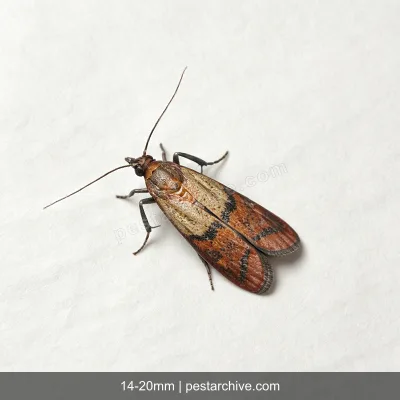
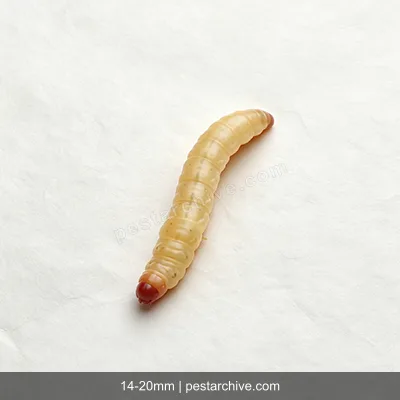
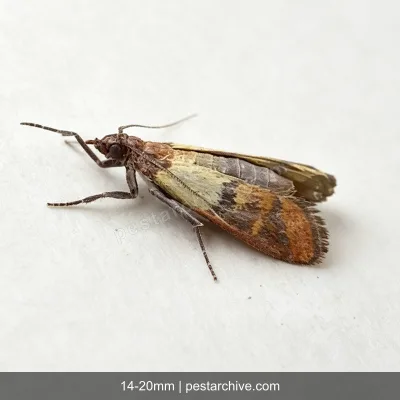
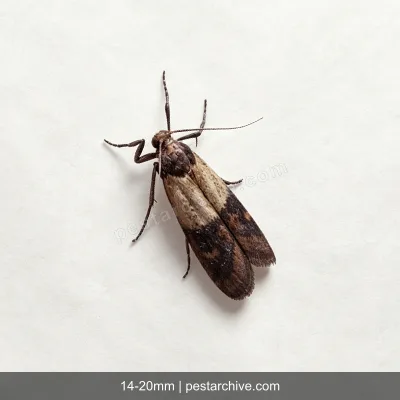
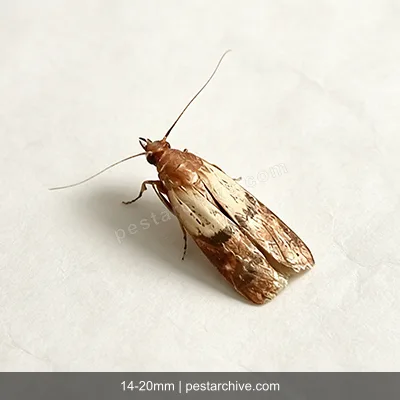
How Do Indian Meal Moth Larvae Get Into Rice Bags?
Indian meal moth larvae get into rice bags in two ways: either adults lay eggs directly in the bag, or larvae crawl in from elsewhere.
Route 1: Adults Enter the Bag to Lay Eggs (Most Common)
Female Indian meal moths are extremely skilled at finding gaps in food packaging:
- They're attracted by food odors
- They find the small openings in rice bags and flour bags
- Crawl in and lay eggs on the food surface
- Even a tiny opening in a plastic bag is enough for them to squeeze through
- After the eggs hatch, the larvae feed directly inside the bag
- That's why you sometimes find bugs in what seemed like a perfectly sealed bag, the eggs were laid before you even bought it
Route 2: Larvae Crawl Over from Other Foods
If other food in the kitchen already has Indian meal moths:
- Larvae crawl out of the old food source
- Travel across cabinet shelves
- Find other nearby opened food
- Crawl in and start feeding and spinning silk
Route 3: The Rice Bag Already Carried Eggs
During warehouse or supermarket storage:
- The rice bag was exposed to adult Indian meal moths that laid eggs on it in the warehouse
- The eggs are microscopic and invisible to the naked eye
- Once brought home, the warmer temperature triggers hatching
- The larvae appear directly in the rice bag
Why Sealing Is So Important
Understanding how Indian meal moths get into rice bags explains why sealing matters:
- A regular plastic bag tied shut → adult moths can still squeeze in
- An airtight container with a sealing gasket → adults can't get in
- Vacuum-sealed → completely isolated
What to Do If You Find Larvae in a Rice Bag
- Don't open the bag to inspect, opening it releases larvae and adults to spread
- Throw the entire bag away, sealed as-is
- Check nearby foods for signs of infestation
- Clean the cabinets
Preventing It From Happening Again
- Immediately transfer all grain to airtight containers after purchase
- Check that container lids are tight
- Inspect regularly; the earlier you catch it, the easier it is to handle