How does food-grade diatomaceous earth kill lesser grain borers?
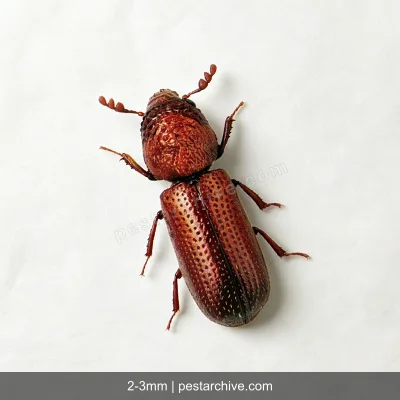
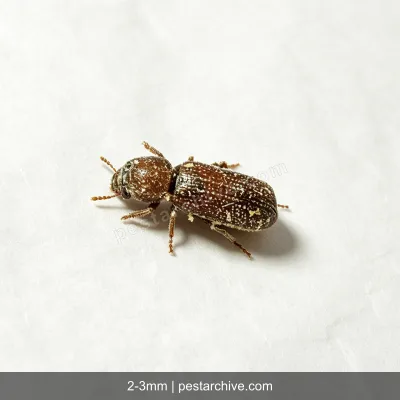
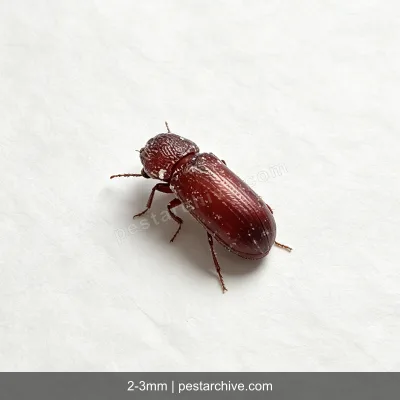
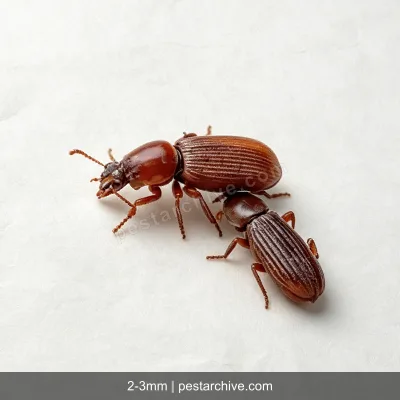
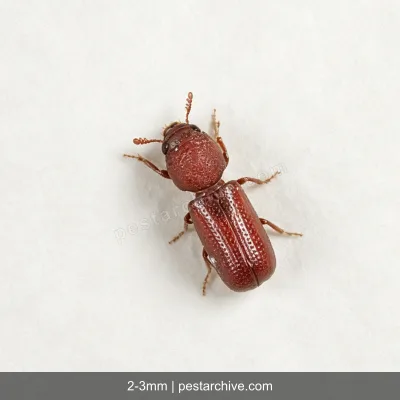
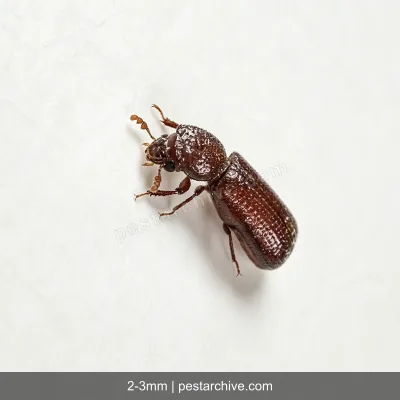
How does food-grade diatomaceous earth kill lesser grain borers?
Diatomaceous earth is used primarily for environmental control of lesser grain borers, serving as an important auxiliary measure to prevent recurrence after cleaning.
Mode of action
When adult and larval lesser grain borers crawl over the diatomaceous earth protective layer, the particles are absorbed through the body wall, disrupting the nervous system and causing death. For lesser grain borers:
- Adults die 24-48 hours after crawling over the treated surface.
- Larvae also die upon contact while searching for food.
- The powder forms a physical protective layer that remains effective for 2-4 weeks.
Application method
Apply after cleaning (most effective)
After removing all grain and emptying the area:
- Vacuum all dust and debris from cabinets.
- Wipe interior walls with a damp cloth and allow to dry.
- Evenly apply diatomaceous earth to the following areas:
- Interior walls and back panels of cabinets.
- Shelf edges and seams.
- Inside cabinet doors and around hinges.
- Wall corners and baseboards.
- Crevices in wooden rice bins (where borers may pupate).
- Leave cabinet doors open for 1-2 hours to ventilate.
- Ensure the powder is completely dry.
Regular maintenance
After thorough cleaning, reapply a light dusting to cabinet corners every 1-2 months to maintain the protective barrier.
Precautions
- Do not apply directly to grain; use only as an environmental treatment.
- Remove all food before application.
- Wait until the powder is completely dry before returning food.
- Combine with physical treatment of stored grain (freezing, airtight storage).
Why is environmental treatment especially important for lesser grain borers?
Lesser grain borers have a unique trait not shared by other stored-grain pests—they pupate in crevices of wooden utensils. This means that even if you treat all the grain, pupae hidden in cracks will emerge as adults and re-infest new grain. Therefore, treating the cabinet environment with diatomaceous earth is particularly critical for this pest.