What are the breeding environments for sweet potato weevils?
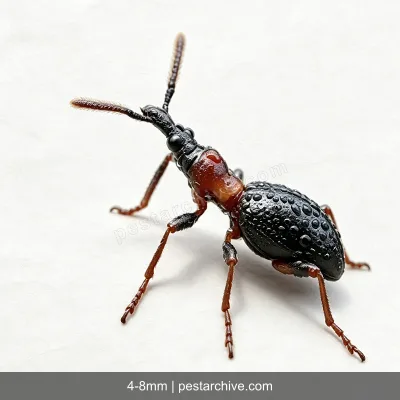
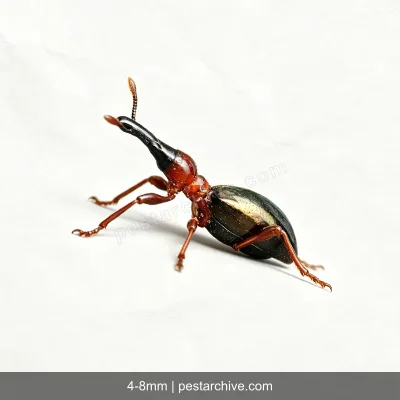
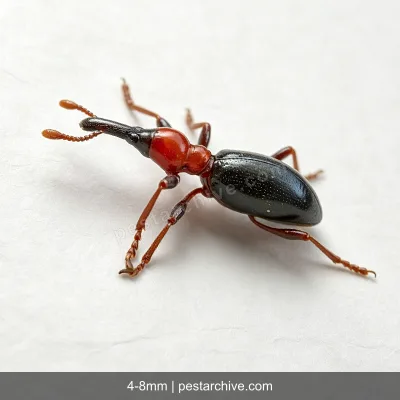
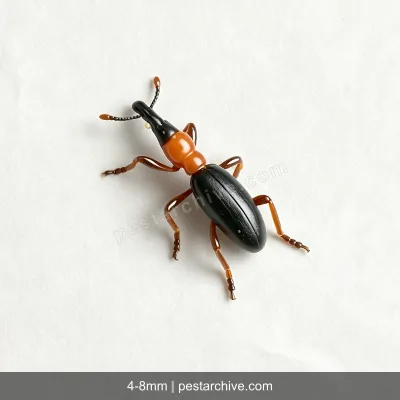
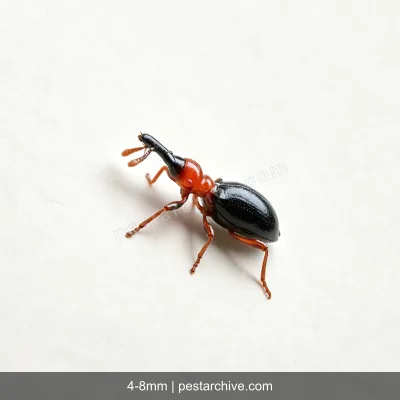
What are the breeding environments for sweet potato weevils?
Breeding environments for sweet potato weevils are divided into two stages: field and storage.
Field breeding environments
- Sweet potato fields, adults lay eggs on exposed parts of tubers or at the base of vines.
- Soil cracks, during dry seasons, soil cracks expose tubers, making it easy for adults to contact and lay eggs.
- Wild hosts, morning glory, bindweed, and other Convolvulaceae weeds serve as alternative hosts; sweet potato fields near these weeds are more prone to infestation.
- Continuous cropping, fields planted with sweet potatoes for many consecutive years accumulate pest populations, leading to more severe damage.
Storage breeding environments
- Warm and humid, storage environments with temperatures above 20°C and high humidity favor rapid reproduction.
- Poor ventilation, stagnant air raises local temperature and humidity, accelerating reproduction.
- Mixing old and new, storing newly harvested tubers with already infested old tubers allows rapid spread.
- Excessive stacking, thick piles generate internal heat, creating a favorable microclimate for reproduction.
Methods to prevent breeding environments
- In the field: rotate crops, remove weeds (especially Convolvulaceae like morning glory).
- At harvest: avoid harvesting on rainy days; dry for 2-3 days after harvest to allow skin to dry.
- Storage: choose a cool, ventilated location; use breathable storage containers.
- Inspection: regularly turn over tubers; remove any infested ones immediately.
- Environmental treatment: clean storage area floors and corners and apply food-grade diatomaceous earth for protection to prevent adult dispersal.