Where Do Flour Mites Typically Breed?
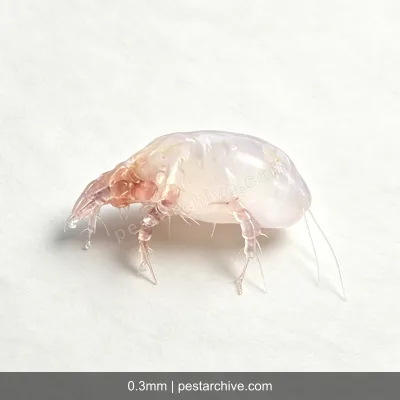
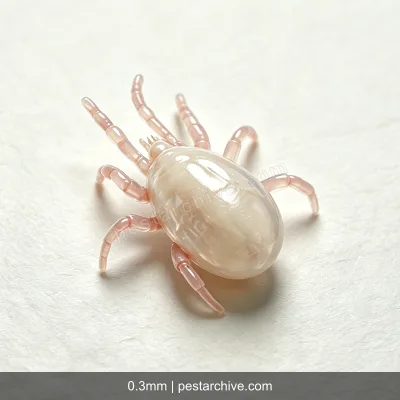
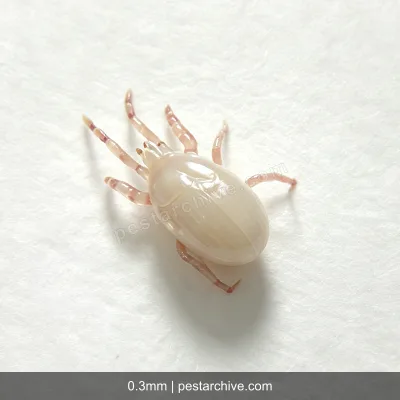
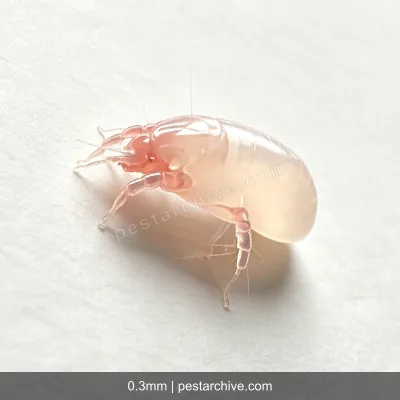
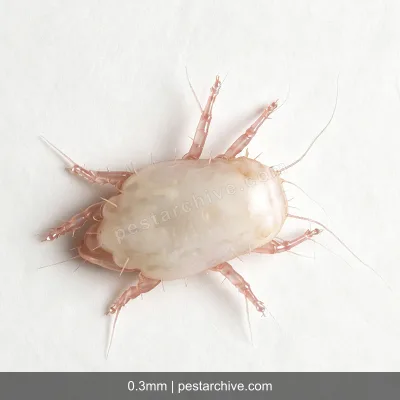
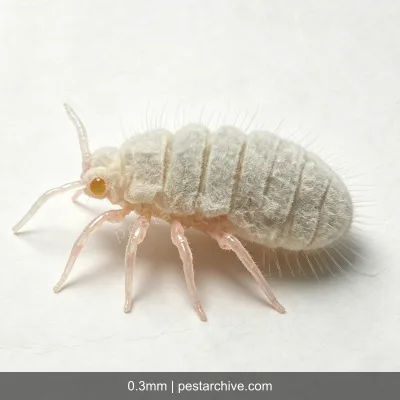
Real scene: You reach into the back corner of your kitchen storage cabinet and pull out a bag of flour that's been there for six months. At the bottom of the bag, a layer of fine grayish-white powder is moving. You quickly check the grains and biscuits next to it, silently praying: Don't spread. Flour mites don't travel far on their own, but any open food in the same cabinet could already be affected.
Quick answer: Flour mites need two conditions to breed: a carbohydrate food source and environmental relative humidity above 60%. The most common breeding sites, in order of probability, are: unsealed bags of flour and grains in kitchen cabinets, pet food bags, expired pastries and biscuit boxes, damp debris in corners under the sink cabinet, and food dust that's accumulated in cabinet floor cracks over years.
Breeding site 1: Kitchen storage cabinets (most common)
- Unsealed flour and grain bags: After opening, if you just fold the bag over and clip it, flour mites can easily get in and out through the folds. These starchy foods are the perfect growth medium for flour mites.
- Bulk dried goods: Bulk rice, millet, grains, dried fruit, and dates that haven't been transferred to airtight containers not only may carry eggs but are also accessible to environmental mites.
- Expired pastries and biscuits: Biscuits and pastries that have been in their boxes for months are a food source for mites, even if they look fine on the surface. Crumbs that fall into cabinet cracks provide a long-term micro-cafeteria for mites.
- Pet food: Opened cat food, dog food, or hamster food that's just folded over is a prime spot for flour mites. Pet food is rich in protein and carbohydrates, so mites reproduce extremely fast in it.
Breeding site 2: Dead zones in the kitchen work area
- Food debris that falls into gaps between countertops and walls, left uncleaned and combined with moisture buildup, becomes a tiny mite breeding ground.
- The bottom of the sink cabinet, damp from slow pipe leaks or condensation, combined with occasional food debris, is a perfect environment for mites.
- Spilled flour and seasoning powder behind and beside the stove, combined with steam from cooking, creates a warm, damp, high-carb environment that easily breeds mites.
Breeding site 3: Cabinet floors and corners
Flour mites don't range far. They usually stay within half a meter of the food source. But if there's scattered flour dust, grain debris, or biscuit crumbs on the cabinet floor, mites can feed on that and spread to other areas of the cabinet. The dust piles in floor cracks and corners are like a miniature food warehouse for flour mites.
Breeding site 4: Pet food and pet areas
- Cat and dog food with high fish meal content is especially attractive to flour mites. Once opened, if not transferred to an airtight container, it can become infested within one to two weeks.
- Food powder and crumbs scattered around pet bowls, if not cleaned up promptly, are also a breeding source.
Full inspection steps
If you've found flour mites in your home, inspect in this order to find the source:
- Open the kitchen storage cabinet and check every opened bag of flour, grain, dried fruit, and pet food. Look at the bottom for grayish-white moving powder.
- Check cabinet floor corners for any accumulated flour dust or grain debris.
- Smell inside the cabinet for any faint sweet or musty odors. Flour mite colonies produce a distinct smell when large.
- Check under the sink cabinet. Feel the floor for dampness and look for food debris.
- Check expired pastry and biscuit boxes. Look at the bottom for fine powder or live mites moving.
Prevention after removing flour mites
- Transfer all dry goods to airtight glass jars or food-grade plastic containers.
- Place moisture absorber boxes inside cabinets. Keep relative humidity below 50%.
- Take a quick weekly glance at cabinet floors for any new dust or debris.
- Freeze newly purchased flour and grains for 48 hours before storing them.
Common mistakes
- Mistake 1: Flour mites only breed in flour. Fact: Any dried good rich in carbohydrates can be food for flour mites, including grain flours, dried fruit, pet food, biscuits, and milk powder.
- Mistake 2: If the cabinet looks clean, there are no mites. Fact: Flour mites are only 0.3 to 0.5 mm in size. They can survive and breed in small amounts of dust. Food dust in cabinet cracks that you can't see with your eyes is more than enough for them.