Tiny Flies Keep Coming from Your Bathroom Drain? Physical Fix + Pipe Cleaning Guide
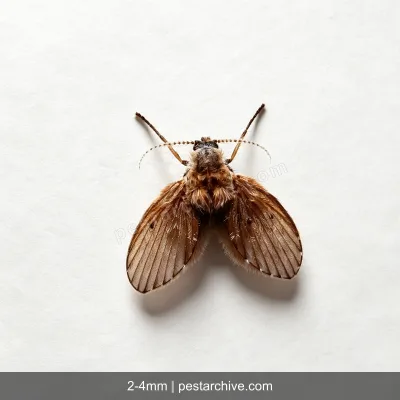
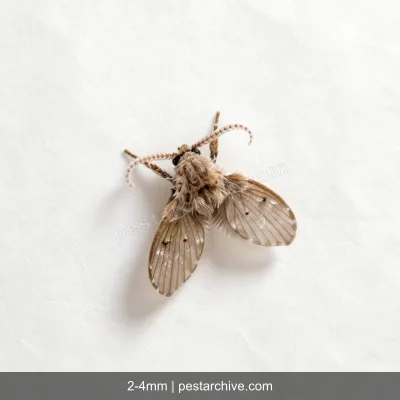
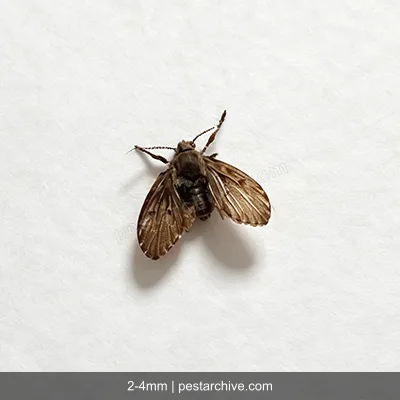
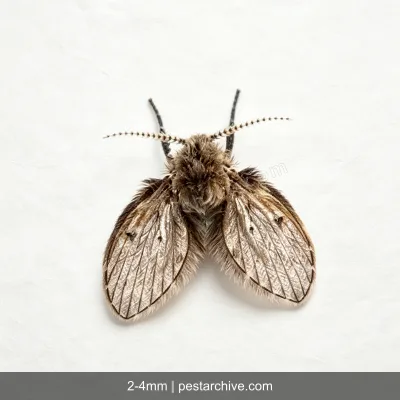
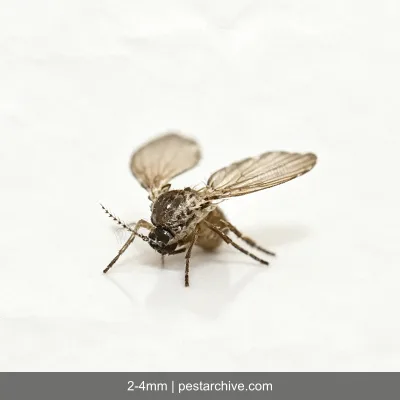
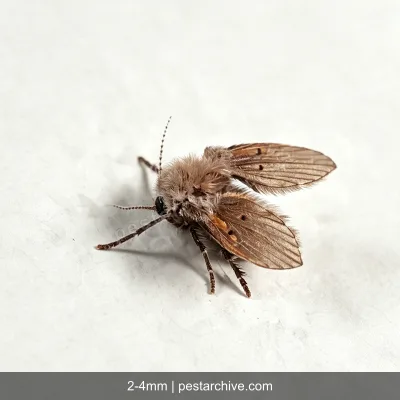
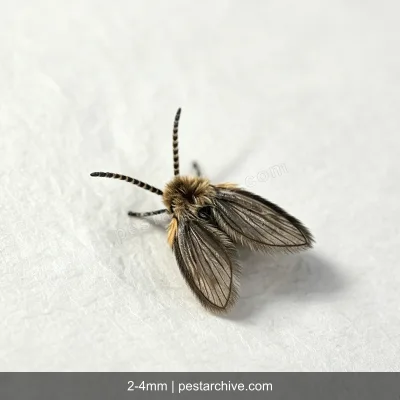
Are Those Tiny Bathroom Flies Drain Flies? 2 Signs to Confirm
Appearance: These flies are about 2-3mm long, grayish-black, with fine hairs on their wings. When resting on walls, their bodies look triangular (wings spread out like a tiny moth). They fly slowly – easy to swat with your hand. These are drain flies (also called moth flies or sewer flies).
Behavior: They sit still on bathroom walls during the day and fly at night or when disturbed. They always appear near floor drains, vanity drains, and mop sink drains. If most of them are concentrated around one particular drain, that's the breeding spot.
What recurrence means: Spraying kills the adults that have already emerged – but there are still plenty of larvae and pupae breeding inside the pipes. A few days later, new adults emerge and you get another wave. If you don't treat the pipe interior and drain structure, 100 sprays won't fix it.
What Tools Do You Need to Clear Drain Flies?
- Pipe brush or old toothbrush (stiff bristles) – 1-2, for scrubbing the drain insert and pipe mouth
- Silicone pest-proof drain inserts – one for each drain, to replace old ones
- Food-grade baking soda – for cleaning organic buildup inside pipes
- White vinegar – works with baking soda to break down pipe wall grime
- Hot soapy water – for flushing pipes
- Rubber gloves
- Silicone sealant (neutral cure, mold-resistant) – if there are gaps around drains that need sealing
- Flashlight – to look inside pipes
Drain Fly Fix – Physical Upgrades First
Step 1: Remove and Scrub the Drain Insert (about 10 minutes per drain)
Put on rubber gloves and remove the drain cover and insert. Use a flashlight to look inside the pipe: if you see dark or grayish slimy buildup on the pipe walls, that's the larval food source. Drain fly larvae feed on the organic film inside pipes – soap residue, body oils, skin flakes, and hair debris that form a biofilm on damp pipe walls.
Dip a stiff pipe brush or old toothbrush in hot soapy water and scrub the inside of the pipe mouth about 4-6 inches (10-15cm) deep. Flush with hot water.
Scrub the drain cover and insert too – organic matter gets stuck in every grille slot. Use an old toothbrush to get into the gaps.
Step 2: Baking Soda + Vinegar Pipe Clean (about 30 minutes)
This is the safest and most effective combination for removing organic buildup from pipe walls. Pour half a cup (about 100g) of baking soda into the drain. Then slowly pour half a cup (about 120ml) of white vinegar after it. The reaction creates a lot of foam that loosens and lifts organic matter from pipe walls.
Let it sit for 30 minutes for the reaction to work. Then flush with a kettle of hot soapy water (around 140°F/60°C – not boiling, to protect PVC pipes).
If the drain fly problem is severe (10+ adults per day), repeat this nightly for 3 consecutive days.
Step 3: Replace with a Pest-Proof Drain Insert (about 5 minutes per drain)
This is the most critical step. The drain insert is the physical route flies take from pipe to bathroom. Check your current insert type: if it's a standard non-pest-proof type (always open) or the silicone flap has aged/deformed and doesn't seal tight, flies can fly right up.
Replace with a silicone self-closing drain insert. Choose the right size: measure your drain opening (common sizes are 1.5 or 2 inches / 40 or 50mm) and buy accordingly. Installation is simple – remove the old insert, push in the new one, and make sure the seal ring fits snugly. If loose, run a bead of sealant around the joint.
Test it: pour a cup of water through – after it drains, the silicone flap should close automatically. If it doesn't close fully, check for hair or debris caught at the flap edge.
Step 4: Eliminate Remaining Flies and Eggs – Wait 2 Weeks
After replacing the insert and cleaning the pipes, there may still be some remaining drain fly eggs or larvae inside the pipes. Don't worry – the new pest-proof insert stops newly emerged adults from flying up. Larvae left inside the pipes will gradually starve without fresh organic matter.
Each night before bed, pour a cup of hot soapy water down every drain. This does three things: rinses away pipe wall organic matter, keeps P-traps full, and flushes out any newly hatched larvae.
Wait 2 weeks. If you see zero drain flies on bathroom walls after 2 weeks, you've fixed it. If you still see adults, check: did you miss any other drain openings (vanity overflow, bathtub overflow, mop sink)? Or is the chosen drain insert not sealing properly?
How Long Until You See Results? What Counts as Failure?
Day 1: After scrubbing and the baking soda/vinegar clean, adult fly numbers may not change immediately (adults live about 2-3 days, and ones already outside the pipe are unaffected). Swat the visible adults on walls.
Day 3: After the existing adults die off naturally and no new ones replace them, wall flies should drop noticeably.
Week 2: If walls are fly-free, success. If flies still appear near a particular drain, that drain's insert is leaking or needs cleaning.
When to call a pro: If after all these steps you still have drain flies in large numbers, there may be a crack or break in the pipe system (flies enter the wall through the break and emerge from gaps). This is beyond DIY – contact building management or a plumber to inspect pipe integrity.
What NOT to Do When Dealing with Drain Flies
- Don't pour insecticide down the drain: It gets diluted in the pipe and won't kill larvae effectively. It also kills beneficial bacteria that break down organic matter, making pipe blockages worse. Plus, drain water goes to treatment systems – insecticides pollute waterways.
- Don't repeatedly pour boiling water down pipes: Boiling water can damage PVC pipe seals and cause leaks. And it cools within seconds – not effective against biofilm.
- Don't seal drains completely: Blocking a drain with tape or plastic stops water from draining. The correct approach is a self-closing pest-proof insert.
- Don't just spray adults without replacing the insert: That only kills emerged adults – it doesn't block the pipe route. New adults will keep coming.
Drain Fly Prevention Maintenance Plan
7-day: Pour a cup of hot soapy water down each drain at night (keeps pipe walls clean and P-traps full).
15-day: Remove and inspect drain inserts – check if the silicone flap closes properly, if there's hair wrapped around it, and if the seal ring is loose. Do a baking soda + vinegar pipe clean.
30-day: Check the silicone flap for aging (silicone gets hard, loses elasticity, and won't seal tight over time). Replace inserts every 6-12 months.
Drain Fly Checklist
- Did you remove every drain insert and scrub the pipe mouths?
- Did you do the baking soda + vinegar pipe clean on every drain?
- Did you replace every drain insert with a properly sealing pest-proof one?
- Is the insert seal ring tight with no gaps?
- Did you check and treat other drain openings (vanity, bathtub overflow, mop sink)?
- Do you pour hot soapy water down drains every night?
- Are drain fly adults gone from bathroom walls after 2 weeks?
Drain Fly FAQs
Are drain flies harmful?
They don't bite or feed on blood. But they fly up from sewer pipes and may carry bacteria from wastewater on their bodies. If they land on toothbrushes, towels, or toiletries, there's a hygiene concern. Also, large numbers of dead drain flies in bathroom corners can become food for dust mites, indirectly triggering allergies. So while they're not as directly harmful as mosquitoes, you should still deal with them.
What if unused drains suddenly produce a lot of drain flies?
That means the P-trap has dried out. When water evaporates from the trap of an unused drain (like a guest bathroom or balcony drain), the pipe opens up – drain flies fly right up. Solution: pour a cup of water down unused drains weekly to maintain the trap seal. For long-term disuse, install a pest-proof insert plus regular water top-ups.
Why do drain flies still appear after installing a pest-proof insert?
Three possibilities: 1) The silicone flap isn't sealing fully – check for hair or debris stuck at the edge. 2) Flies are coming from another drain opening you haven't treated (vanity, bathtub, floor drain behind toilet). 3) Flies are breeding elsewhere in the bathroom – mop bucket water, plant saucer water, damp rags. Check everywhere water can collect.
* * * 8. Fruit Flies