How to Use Food-Grade Diatomaceous Earth for Bean Weevils
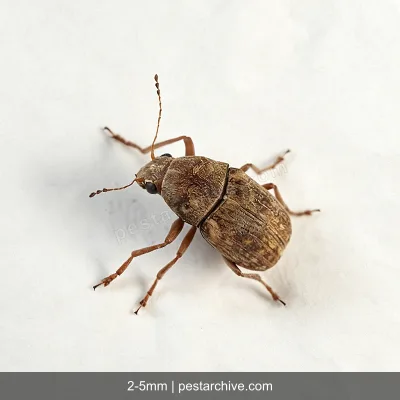
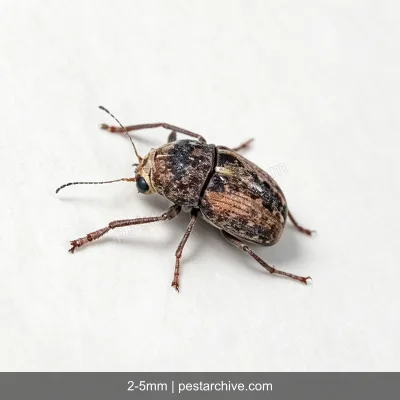
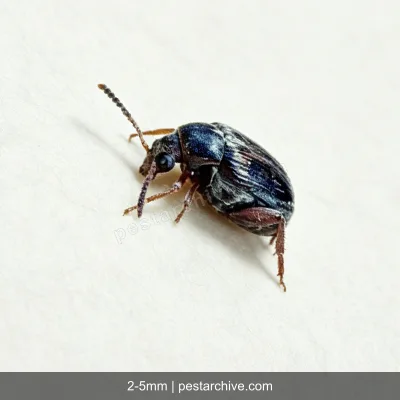
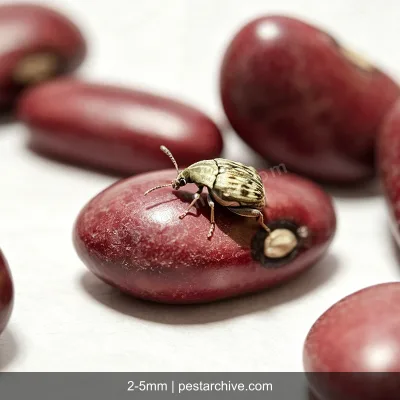
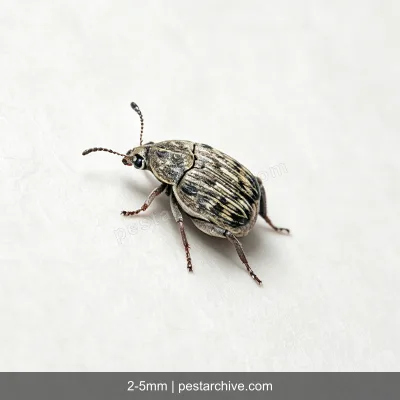
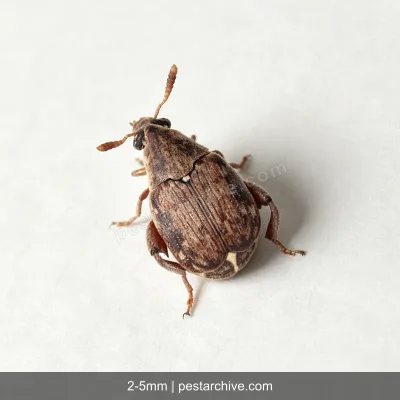
Real scene: Last week you threw out a bag of red beans that were infested with bean weevils. You cleaned the cabinet, but you're still uneasy. You've heard diatomaceous earth can prevent pests, but you're not sure how to use it, whether you can dust it directly on beans, or whether the beans would still be safe to eat.
Quick answer: Food-grade diatomaceous earth is a physical insecticide, not a chemical poison. It's for treating the cabinet environment, not for dusting directly on food. Empty the cabinet, apply a light layer of powder to the floor and corners, let it sit for 12 hours, then vacuum it up. It's effective against adults and larvae that crawl through the powder. Make sure you buy food-grade DE (not pool-grade). Regular industrial DE cannot be used in the kitchen.
How diatomaceous earth works
Diatomaceous earth is a fine powder made from the fossilized remains of ancient diatoms. Under a microscope, each particle has sharp, jagged edges like broken glass. When insects crawl through DE powder, the tiny particles scratch their waxy outer layer, causing moisture to continuously evaporate from their bodies until they dehydrate and die. This is a purely physical process. No chemicals or neurotoxins are involved, so insects don't develop resistance.
This takes time: the damage to the waxy layer isn't instantaneous. Insects typically die within 24 to 48 hours after contact. It's not a quick knock-down agent.
Steps for treating the cabinet environment
- Step 1: Take all beans and dried goods out of the cabinet. Check each item. Seal and discard any that are infested.
- Step 2: Vacuum the cabinet floor and corners thoroughly to remove all debris, powder, and any eggs. Seal the vacuum bag and discard it immediately.
- Step 3: Wipe all surfaces inside the cabinet (floor, back, sides, and inside of doors) with a damp cloth. Let it dry.
- Step 4: Apply a thin, even layer of food-grade diatomaceous earth to the cabinet floor and the four corners. The thickness should be like dusting powdered sugar on a dessert. You don't need a thick pile. Use a small sieve or an old pepper shaker to apply it evenly.
- Step 5: Let it sit for 12 to 24 hours. Then vacuum up the diatomaceous earth powder. An invisible layer of fine powder will remain on the surface and still provide protection.
- Step 6: Put the clean, pest-free dried goods back in the cabinet, ideally already in airtight containers.
Usage precautions
- Only buy food-grade diatomaceous earth. The packaging will clearly label it as food-grade or suitable for food storage areas. Pool-grade DE has been heat-treated and chemically processed and must never be used in the kitchen.
- DE cannot be dusted directly on beans or food. It's not a food additive.
- Wear a mask when dusting and vacuuming. The fine powder can irritate your airways. This is especially important for people with asthma or sinus conditions.
- DE works in dry environments. If it gets wet, it clumps and loses effectiveness. If your cabinet is humid, fix the moisture problem first before applying DE.
Comparison with pesticides
DE works physically, is non-toxic, and insects don't develop resistance to it. But it requires a dry environment and time to work. Residual insecticide sprays work chemically and act faster, but they pose safety concerns when used in kitchen storage cabinets. For food storage areas, DE is safer than chemical insecticides, as long as you buy food-grade and use it correctly.
Common mistakes
- Mistake 1: You can mix DE with beans for storage. Fact: DE cannot come into direct contact with food. It's an environmental treatment, not a preservative or food additive.
- Mistake 2: Once you dust DE, you don't need to clean the cabinet. Fact: DE is a preventive and supplemental measure. You must remove all infestation sources (infested items and debris) first. Dusting DE on top of active infestations is useless.
- Mistake 3: One application of DE lasts forever. Fact: One treatment mainly targets adults and larvae already in the cabinet. If new items bring in fresh eggs, you'll need to treat again.