Natural Whitefly Control for Indoor Plants
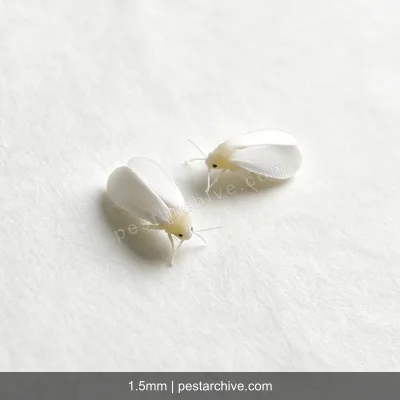
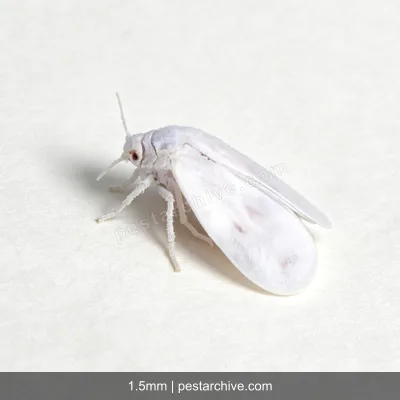
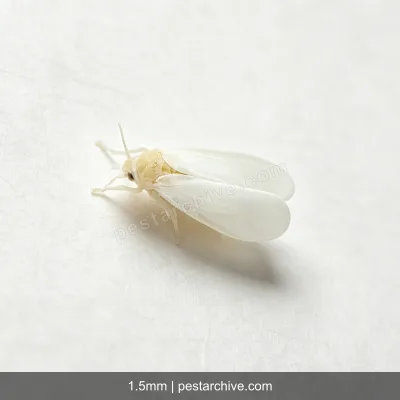
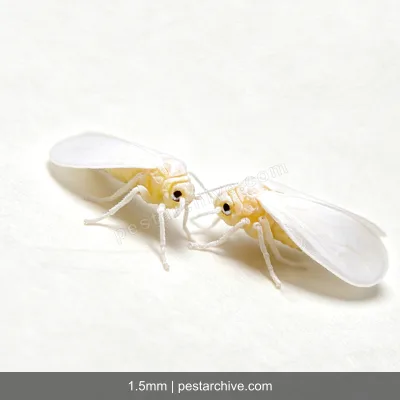
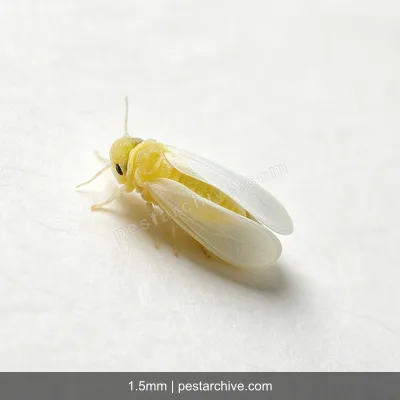
What Damage Do Whiteflies Cause?
Whiteflies cause damage on multiple fronts, from direct feeding to indirect virus transmission. The impact on plants is significant.
Direct Damage
- Sap feeding, Adults and nymphs cluster on the undersides of leaves, using piercing-sucking mouthparts to feed on plant sap
- Leaf chlorosis, Affected leaves develop chlorotic spots and gradually turn yellow
- Wilting and leaf drop, In severe cases, leaves wilt, curl, and drop prematurely
- Plant weakening, Long-term infestation leads to poor growth and stunted development
Honeydew and Sooty Mold
- Whiteflies excrete large amounts of honeydew (sugar-rich waste) while feeding
- Honeydew drips onto lower leaves and the ground, making everything sticky
- Sooty mold fungi readily grow on honeydew, forming a black mold layer
- Blackened leaves can't photosynthesize
- In severe cases, the entire plant looks like it's been painted black
Plant Virus Transmission
- Whiteflies transmit multiple plant viruses, most famously Tomato yellow leaf curl virus (TYLCV)
- Once infected with a virus, plants cannot be cured
- The damage to tomatoes, peppers, cucumbers, and other vegetables is enormous
- Spread is especially fast in greenhouses
Impact on Yield and Quality
- Vegetable and fruit yields drop sharply after infestation
- Fruits may become misshapen and discolored
- Ornamental plants lose their aesthetic value
Rapid Reproduction
- Under favorable conditions (25-30°C / 77-86°F), whiteflies complete a generation in just 2-3 weeks and can produce 10-15 generations per year
- A single female can lay 100-200 eggs. In greenhouses, they breed year-round without pause
- Host range is extremely broad, over 500 known host species including vegetables, flowers, and weeds