What Kind of Bug Is This in My Home?
The short answer: Use a systematic approach, note where you found it, its size (in mm), colour, number of legs, wings, and how it moves. Then match these features against our visual key. This guide gives you a decision-tree to narrow down the most common household pests.
- Identify by location: where did you see it?
- Kitchen: cockroaches, ants, fruit flies, grain beetles, pantry moths.
- Bathroom: drain flies, springtails, silverfish, booklice.
- Bedroom: bed bugs, carpet beetles, clothes moths, dust mites (microscopic).
- Living room / windows: flies, mosquitoes, lady beetles, stink bugs.
- Basement / storage: silverfish, spider beetles, psocids, millipedes.
Start with the room, it eliminates half the possibilities.
- Size: use a ruler
Measure the bug against a coin or a ruler (in mm):
- 1–2 mm: booklice, dust mites, grain mites, springtails (tiny).
- 2–5 mm: fruit flies, drain flies, fleas, carpet beetle larvae, ants (small).
- 5–10 mm: cockroach nymphs, bed bugs, small beetles, spiders (small-medium).
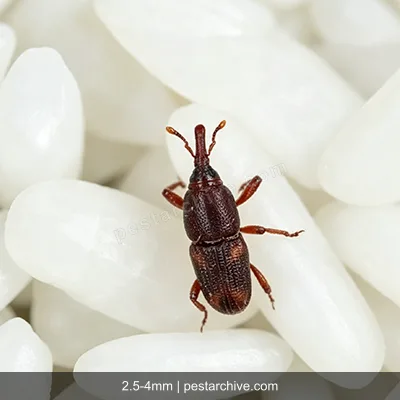
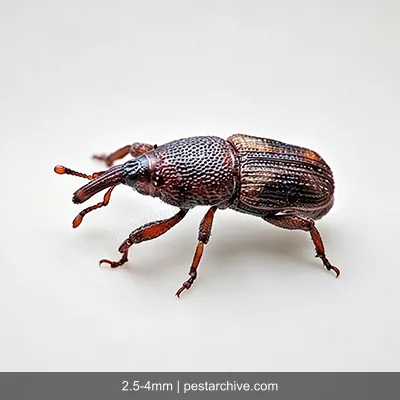
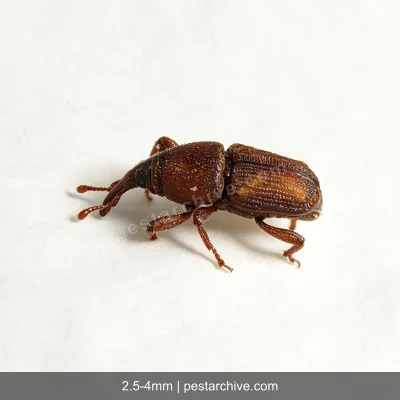
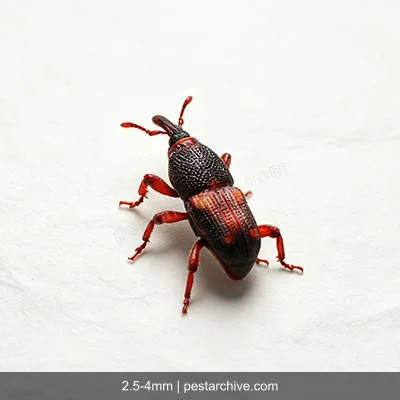
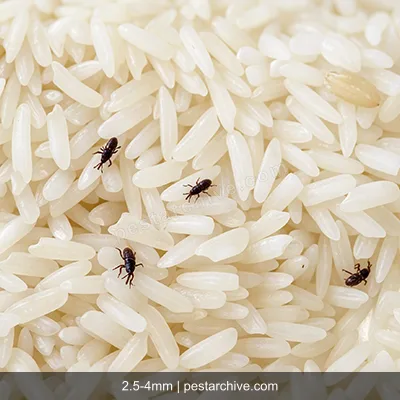
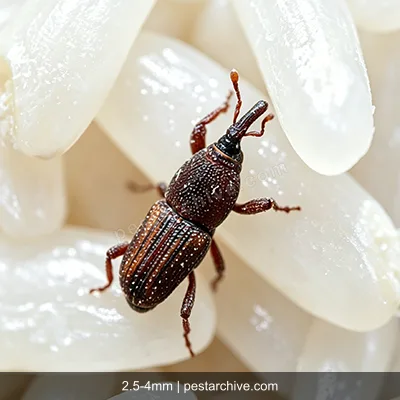
- 10–30 mm: adult cockroaches, large spiders, weevils (medium-large).
Size alone gives you a strong hint.
- Colour and shape
- Brown / reddish-brown: cockroaches, bed bugs, fleas, drugstore beetles.
- Black / dark: ants, carpet beetles, spiders, weevils.
- Pale / translucent: silverfish, booklice, springtails, mite nymphs.
- Winged with two-tone pattern: Indian meal moth (copper outer, pale inner).
- Hairy / caterpillar-like: carpet beetle larvae (not true caterpillars).
- Movement behaviour
- Flying erratically: fruit flies, drain flies, house flies.
- Crawling fast: cockroaches, ants, silverfish.
- Jumping: fleas, springtails.
- Slow crawling: carpet beetle larvae, booklice.
- Sits still on walls: clothes moths, some spiders.
- Decision-tree examples
- If it’s small (2–4 mm), pale yellowish, with bright red eyes, near fruit → fruit fly.
- If it’s tiny (1–2 mm), pale white, crawling on damp walls → booklice.
- If it’s flat, reddish-brown, 4–5 mm, in mattress seams → bed bug.
- If it’s 1–2 mm, dark brown, can jump, on pets or carpets → flea.
- If it’s 10–15 mm, silvery-gray, fish-like movement, in wardrobe → silverfish.
- Use our online identification tool
We have a step-by-step tool that asks you about size, colour, wings, location, and behaviour. It generates a shortlist with images and descriptions. Take a close-up photo with your phone and compare it side-by-side.
- When you can’t identify
Don’t panic. Many harmless bugs are simply accidental visitors (e.g., ladybirds, ground beetles). If you’re unsure, take a photo and email our support, we can help. But if you see signs of damage (holes in wood, webbing in food, bite marks), treat it as a pest and start preventive measures while you identify.
Common mistakes
- ❌ Relying only on colour, many species vary.
- ❌ Forgetting to check for wings, winged and wingless forms of the same species exist (e.g., ants).
- ❌ Not using a magnifying glass, small details like antennae length matter.
Mini FAQ
Q: What if the bug is too small to see clearly?
A: Use your phone’s macro mode or a magnifying glass. For dust mites, you need a microscope, they are 0.3–0.5 mm.
Q: Can I send a photo to you for identification?
A: Yes, we offer a free ID service via our contact form.
Q: Are all bugs in the bathroom harmful?
A: No, drain flies and springtails are nuisances, not health threats. But they indicate moisture issues.
Your identification steps
- Note the room.
- Measure size (mm).
- Record colour and shape.
- Observe movement.
- Check wings (present/absent).
- Take a photo.
- Use our online tool or compare with this guide.