Why Are There Still Bugs Even Though My Home Is Clean?
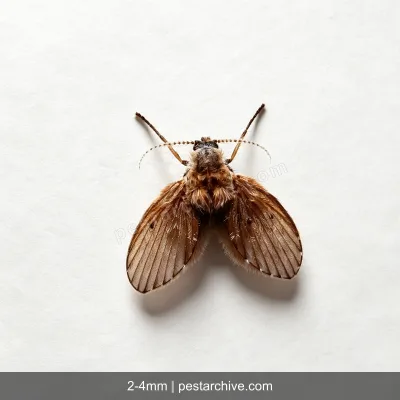
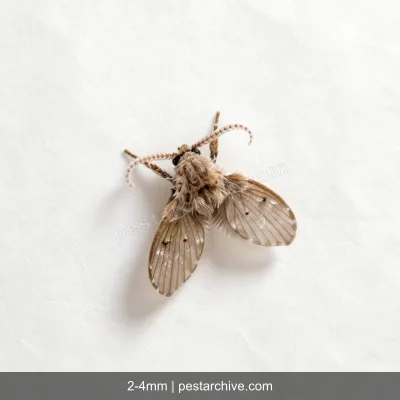
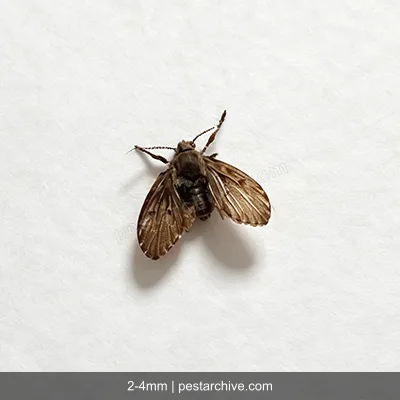
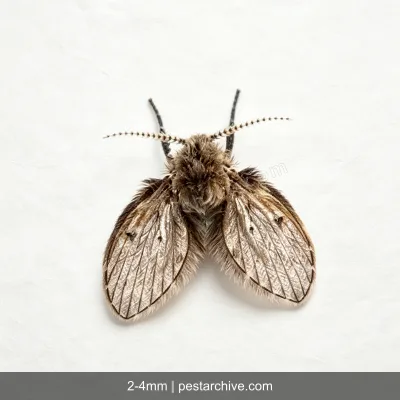
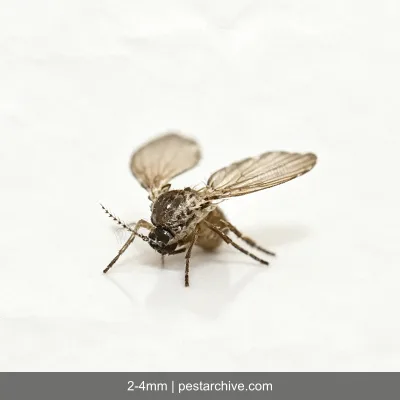
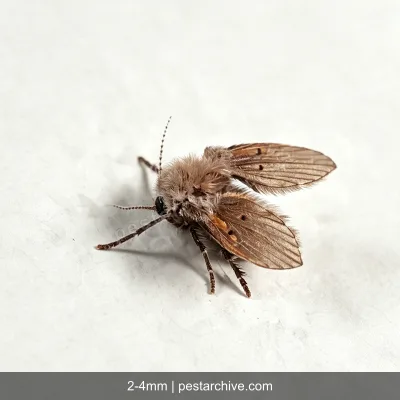
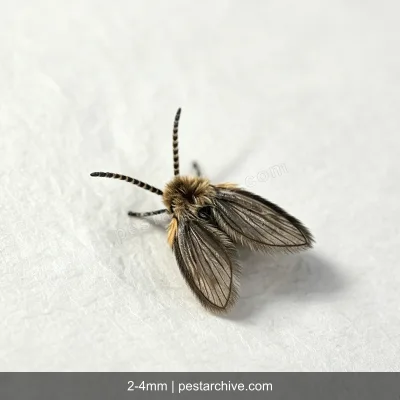
The short answer: “Clean” doesn’t mean pest-proof. Bugs can survive on tiny amounts of moisture, dust, and organic matter that accumulate in hidden spots. They also enter from outside through micro-cracks. Even spotless homes can host silverfish, booklice, springtails, and spiders, because these pests don’t need your food scraps; they eat mould, paper, or other insects.
- Moisture: the invisible attractant
Many pests are drawn to water, not food.
- Silverfish and booklice need high humidity (>60%), they feed on mould and starch in wallpaper paste, book bindings, and dust.
- Drain flies breed in the organic film inside pipes, no amount of surface cleaning removes that sludge unless you scrub the drains.
- Springtails appear in damp bathrooms and plant pots, they eat decaying plant matter and fungi.
Even if your floors are spotless, a leaky pipe under the sink or condensation on windows can sustain these pests.
- External entry: they come from outside
Clean homes are not sealed fortresses.
- Ants enter through cracks smaller than 1 mm.
- Spiders crawl in under doors or through vents.
- Mosquitoes and flies slip through torn screens or open windows.
- Neighbouring apartments share walls and ductwork, pests can travel through voids.
Regularly inspect and seal all possible entry points, don’t assume your clean home is automatically impenetrable.
- Forgotten food sources
Even if you keep counters clean, there are pantry items that go unnoticed:
- Opened cereal boxes, flour bags, or pet food, these can harbour grain beetles or Indian meal moths.
- Spilled crumbs behind the refrigerator or under the stove, they accumulate over weeks.
- Sticky residues on shelves or inside cabinets, ants can detect tiny sugar traces.
A deep clean once a month, moving appliances and emptying cabinets, is essential.
- Structural gaps: hiding spots
Bed bugs hide in the seams of mattresses, inside headboards, and behind wall hangings. Cockroaches live inside wall voids and behind kitchen cabinets. Even if you vacuum regularly, you might not reach these crevices. Use a flashlight to inspect baseboards, picture frames, and electrical outlets, you’ll be surprised at what lives there.
- Pests that come with items
- Second-hand furniture, books, and clothes can bring in carpet beetles, silverfish, or bed bugs.
- Groceries can harbour grain moths or drugstore beetles.
- Potted plants can carry fungus gnats or springtails in the soil.
Inspect new arrivals before bringing them inside, quarantine them for a day or two.
- The “clean house” paradox
Some pests are actually attracted to clean, dry environments because they feed on dust mites or other tiny organisms that thrive in our homes. Spiders are a prime example, they come for the prey, not your mess. So don’t be alarmed if you see an occasional spider; it’s a sign you have other tiny bugs.
Common mistakes
- ❌ Assuming a weekly mop is enough, you need to clean behind and under heavy furniture.
- ❌ Ignoring humidity, a dry house is the #1 deterrent for many “clean-house” pests.
- ❌ Not checking packaging, cardboard boxes are magnets for silverfish and cockroaches.
Mini FAQ
Q: Is my house actually clean if I still see silverfish?
A: Yes, silverfish live on starch and mould, not food scraps. Reduce humidity and remove cardboard to control them.
Q: Why do I get fruit flies in winter when my kitchen is clean?
A: They may be breeding in a forgotten potato, onion, or in the drain. Check your pantry and pour boiling water down the sink.
Q: Can I ever have a completely bug-free home?
A: No, but you can minimise them to a level that doesn’t bother you. Accept that occasional invaders are normal.
Your action list
- Inspect for hidden moisture (under sinks, behind appliances).
- Seal all cracks and gaps.
- Store dry goods in sealed containers.
- Vacuum under and behind furniture monthly.
- Reduce indoor humidity with dehumidifiers/fans.
- Check incoming items before they enter.